
By Agencia de Noticias Ambientales, Erbol:
From the breathtaking high-Andean wetlands (bofedales) rich in cushion plants and glacier-fed waters, to the lush Amazonian wetlands formed by vast alluvial plains that host a wide biodiversity of mammals, birds, and fish, these ecosystems are being severely impacted by fires, mining, land-use changes, and the lack of enforcement of preservation laws.

View of Lake Titicaca, near Pariti Island. Totora plants can be seen growing in the foreground. Photo: Máximo Liberman.
A 2024 report by the Ombudsman’s Office warned that 6 of Bolivia’s 10 Ramsar sites were affected by last year’s forest fires, including the Bolivian Pantanal, Bañados del Izozog and Río Parapetí, Laguna Concepción, and the Río Yata, Río Matos, and Río Blanco wetlands in Beni. The damage threatens species that exist only in these internationally important habitats.

Seagulls foraging in a wetland in the Eduardo Abaroa Wildlife Reserve (RAMSAR Site). Photo by Máximo Liberman
According to the Ministry of Environment and Water (MMAyA), Bolivia has 198 protected areas: 23 national (24 including El Choré), 29 departmental, 141 municipal, and four indigenous and rural protected areas. There are also 11 Ramsar Sites and 12 forest reserves.
This set of conservation sites was named the Plurinational System of Protected Areas and Strategic Ecosystems (SPAP-ECOS).

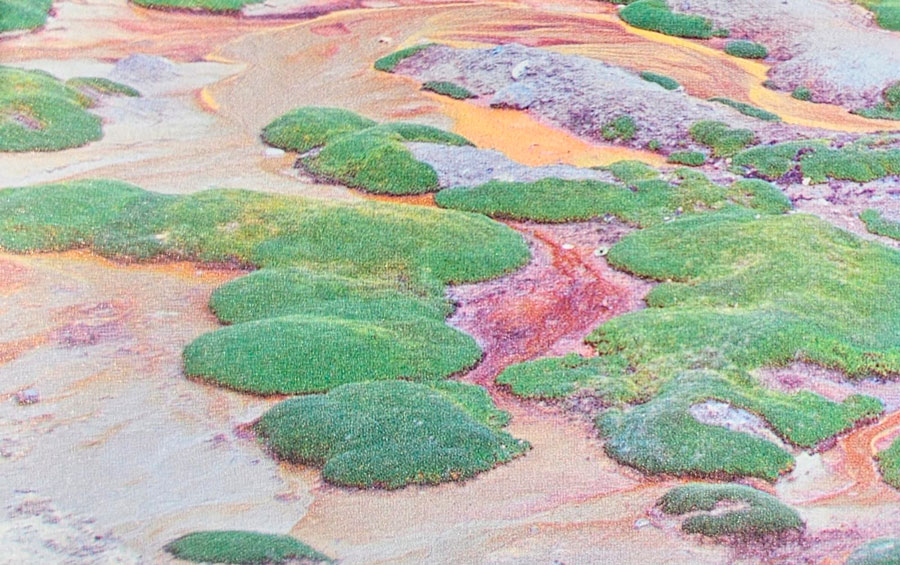
Wetlands affected by water contaminated by gold mining in Apolobamba. Photo: Máximo Liberman
Wetlands and bofedales are vital for the conservation of endangered species and climate regulation, and Bolivia is the country with the largest area of Ramsar sites in the world.
Apparently, a year later, these conditions have not changed, according to several sources interviewed by the Environmental News Agency (ANA). Among them are the following biologists: Arely Parabral of the Bolivian National Herbarium of the UMSA Institute of Ecology; Rosa Isela Meneses, who specializes in high-mountain ecosystem botany; as well as Máximo Alejandro Liberman Cruz of the UMSA Institute of Ecology and a consultant in environmental impact studies; and Mauricio Herrera, who works with “Aves Bolivianas” in Beni.

Large Pastures Flamingos. Photo by Máximo Liberman
All four are alarmed by the lack of compliance with regulations to safeguard them. Incidentally, in Bolivia, the conservation of Ramsar sites is based on Law No. 2357 of 2002, which approves the Ramsar Convention, and Environmental Law No. 1333 of 1992, which establishes protected areas as state property and mandates their conservation under management plans. Supreme decrees (SD) such as No. 2311 of 2015 also require the application of international conventions to mining activities within Ramsar sites, and more recent decrees such as SD5202 of 2024 regulate management plans for protected areas.

Tourists enjoying the landscape of a bofedal and the Laguna Negra, Nor Lípez (RAMSA Site) Photo Máximo Liberman
Legal Breach
Biologist Máximo Liberman refers to what is happening in Laguna Pastos Grandes, Nor Lípez, where Ramsar sites protected by laws are violated despite their global importance.

Llamas grazing in a bog in Nor Lípez, Potosí. Photo by Máximo Liberman
“The Russian company Rosatom, which works in this area, has intervened with the infrastructure, built roads, and cut off the entire drainage system for the water that accumulates in the high mountains, where there are water sources that are affecting the wetlands and, therefore, the life of llamas in particular,” he emphasizes.
In this context, he points out that “Bolivia is one of the last countries to comply with national and international standards.”
Another emblematic case is Chile, which exploits wetland waters for lithium exploitation, often affecting various species, people’s lives, and their territories.

Viscachas also feed in wetlands. Photo by Máximo Liberman
He points out that without the groundwater from the wetlands, Chile would lose practically all its income, as it is currently the second-largest producer of lithium in the world.
“I’m not at all optimistic because, really, regarding the mining issue and the forest fires, regulations must be enforced, because the Bolivian government has signed them. So, it’s the only way to stop this environmental disaster that affects camelid fauna, as well as birds, rodents, and lizards that are affected by living in these very specific ecosystems,” he states.

Vicuñas grazing in a wetlands in Nor Lípez. Photo by Máximo Liberman
Along the same lines, for Rosa Isela Meneses, a specialist in botany of high-mountain ecosystems, “mining exploitation” opens roads through wetlands, regardless of the consequences.
“Here, what a miner is interested in is getting to their mineral. So, they’ll open their road, cut off the water flow, fragment it, and little by little, the wetlands will dry up,” she adds.
At the same time, there’s the danger that the wetlands could become saline, and, as in the case of Ulla Ulla, the cushion vegetation is being lost, without taking into account that they absorb CO2 and provide oxygen.

Guallatas in a bofedal area in Sud Lípez. Photo by Máximo Liberman
Minería y la contaminación de bofedales
La bióloga Arely Parabral, argumenta que en el caso de los bofedales de altura existen ciertos ecosistemas, que son reservorios de carbono, pero por desconocimiento están camino a “extinguirse”.
“Por los usos que se les da de forma inadecuada, principalmente por la actividad minera que esta exagerada en nuestro país y sin control por los precios del mineral y toda la situación económica”, remarca la experta.Lo que directamente afecta a los bofedales, por un lado, los contamina con los metales pesados, y en algunos casos se desvíen las aguas de los bofedales que luego podrían secarse.

Detail of the fruits of the Pacú (Oxicloe andina). Photo by Máximo Liberman
“Then all the organic matter that had to come down will begin to decompose, which could further exacerbate the climate change problem we’re currently experiencing, with the generation of greenhouse gases and the decomposition of large amounts of organic matter, a process called methanogenesis that should be studied in our high-altitude ecosystems like our wetlands,” he emphasizes.
For his part, biologist Mauricio Herrera, who works with “Aves Bolivianas” (Bolivian Birds), seeks to preserve the Blue-throated Parade, from the Llanos de Moxos, the third most important flooded savanna in South America.
For this professional, the main risk in this lowland area, like in Beni, is the new land-use plan that affects the so-called curichi ecosystems.

Totora reed crafts on Pariti Island. Photo: Máximo Liberman.
“Now it turns out they’re changing this type of soil, modifying these areas that were designated for extensive grazing, converting them to rice and soybean crops,” he notes, pointing out that the laws aren’t being enforced.
“The water here comes suddenly during the rainy season, and they’re draining it for rice crops. So, in the long run, this changes the entire water cycle of this area, and everything ends up being ruined. We’re starting to experience the same thing as Santa Cruz in the eastern lowlands, where there are mainly Mennonites, where the soils have already died,” he notes.

Totora reeds on Lake Titicaca. Photo: Máximo Liberman.
The 30×30 target is a global objective, part of the Kunming-Montreal Global Biodiversity Framework, which seeks to protect and effectively manage at least 30% of the planet’s land, inland, coastal and marine waters by 2030. This initiative aims to ensure that nature thrives, providing vital benefits to society, such as carbon capture, supporting pollinators, and providing food and recreation. Bolivia is committed to this target, and it is our right and duty to ensure that it is met.
Por Agencia de Noticias Ambientales, Erbol:
Desde los paisajes imponentes de bofedales altoandinos plagados de vegetación en cojín y suelos bañados por agua de glaciares, fuentes de agua y ríos que transcurren hacia los exuberantes humedales amazónicos, formados por bastas llanuras, aluviales, que albergan una gran biodiversidad de mamíferos, aves y peces, y que son afectados por los incendios, la actividad minera, el cambio de uso de suelo y la falta de cumplimiento a las normativas para preservarlos en Bolivia.
Vista del Lago Titicaca, sector próximo a la Isla Pariti. En primer plano se observa el desarrollo de plantas de Totora. Foto: Máximo Liberman.
Un informe de la Defensoría del Pueblo de 2024 alertó que 6 de los 10 sitios Ramsar del país fueron afectados por los incendios forestales ocurridos el año pasado, incluyendo el Pantanal boliviano, Bañados del Izozog y Río Parapetí, Laguna Concepción, y los humedales Río Yata, Río Matos y Río Blanco en Beni. Se advierte sobre el daño a la biodiversidad de estos humedales de importancia internacional, afectando especies que solo habitan en estos sitios.
Gaviotas forrajeando en un bofedal de la Reserva de Fauna Eduardo Abaroa (Sitio RAMSAR). Foto Máximo Liberman
De acuerdo al Ministerio de Medio Ambiente y Agua (MMAyA), Bolivia, cuenta con 198 áreas protegidas: 23 nacionales (24 con El Choré), 29 departamentales, 141 municipales, cuatro indígena originario campesina. Además, con 11 Sitios Ramsar y 12 reservas forestales.
Este conjunto de sitios de conservación fue denominado Sistema Plurinacional de Áreas Protegidas y Ecosistemas Estratégicos (SPAP-ECOS).
Bofedales afectados por aguas contaminadas por la explotación del oro en Apolobamba. Foto: Máximo Liberman
Los humedales, bofedales son vitales para la conservación de especies amenazadas y la regulación del clima, y Bolivia es el país con la mayor superficie de sitios Ramsar del mundo.
Al parecer un año después estas condiciones no cambiaron de acuerdo a varias fuentes entrevista das por la Agencia de Noticias Ambiental (ANA), entre los cuales se destacan las biólogas: Arely Parabral del Herbario Nacional de Bolivia del Instituto de Ecología de la UMSA; Rosa Isela Meneses, con especialidad en botánica de ecosistemas de alta montaña, además de Máximo Alejandro Liberman Cruz del Instituto de Ecología de la UMSA y consultor en estudios de impacto ambiental; y Mauricio Herrera que trabaja en “Aves Bolivianas” en Beni.
Flamencos de Pastos Grandes. Foto Máximo Liberman
Los cuatro están alarmados por la falta de cumplimiento a las normativas para salvaguardarlos. A propósito, en Bolivia, la conservación de los sitios Ramsar se sustenta en la Ley Nº 2357 de 2002, que aprueba la Convención de Ramsar, y en la Ley Nº 1333 del Medio Ambiente de 1992, que establece a las áreas protegidas como patrimonio estatal y su deber de conservarlas bajo planes de manejo. También, decretos supremos (DS) como el Nº 2311 de 2015 exigen la aplicación de los convenios internacionales en actividades mineras dentro de sitios Ramsar y decretos más recientes como el DS5202 de 2024 regulan los planes de manejo para áreas protegidas.
Turistas disfrutando del paisaje de un bofedal y la Laguna Negra, Nor Lípez(Sitio RAMSA) Foto Máximo Liberman
Incumplimiento legal
El biólogo Máximo Liberman hace referencia a lo que ocurre en Laguna Pastos Grandes,Nor Lípez, donde existen sitios Ramsar protegidos por leyes que son vulnerados a pesar de su importancia planetaria.
Llamas pastoreando en un bofedal en Nor Lípez, Potosí. Foto Máximo Liberman
“La empresa rusa Rosatom, que trabaja en esta zona ha intervenido con las infraestructuras, han construido caminos, cortando todo el sistema de drenaje de las aguas que se acumulan en la alta montaña, donde hay fuentes de agua que están afectando a los humedales y, por lo tanto, a la vida de sobre todo las llamas”, subraya.
En este contexto señala que “Bolivia es uno de los últimos países en hacer cumplir las normas nacionales e internacionales”.
Otro caso emblemático es el referido a Chile, que para la explotación del litio aprovecha las aguas de los humedales y que en muchos casos afectan a distintas especies, la vida de las personas y sus territorios.
Viscachas también se alimentan en los humedales. Foto Máximo Liberman
Señala que, sin el agua subterránea de los humedales, Chile prácticamente perdería todos sus ingresos, al ser actualmente el segundo productor de litio a nivel mundial.
“No soy nada optimista porque realmente el tema minero, el tema de los incendios forestales, hay que hacer cumplir las normas, porque el gobierno de Bolivia ha firmado; entonces, es la única forma de parar todo este desastre ambiental que afecta a la fauna de camélidos, además de aves, roedores y las lagartijas que son afectadas al vivir en estos ecosistemas tan particulares”, manifiesta.
Vicuñas pastoreando en un bofedal de Nor Lípez. Foto Máximo Liberman
En esa misma línea, para Rosa Isela Meneses especialista en botánica de ecosistemas de alta montaña, por la “explotación minera” sin importar las consecuencias se abren caminos en medio de bofedales.
“Aquí, lo que le interesa a un minero es llegar a su mineral. Entonces, van a abrir su camino, van a cortar los flujos del agua, van a fragmentar y poco a poco el bofedal se va a ir secando”, agrega.
Paralelamente existe el peligro que se pueda salinizarse el bofedal y como en el caso de Ulla Ulla la vegetación en cojín se está perdiendo sin tomar en cuenta que absorben el CO2 y proporcionan oxígeno.
Guallatas en un bofedal de Sud Lípez. Foto Máximo Liberman
Minería y la contaminación de bofedales
La bióloga Arely Parabral, argumenta que en el caso de los bofedales de altura existen ciertos ecosistemas, que son reservorios de carbono, pero por desconocimiento están camino a “extinguirse”.
“Por los usos que se les da de forma inadecuada, principalmente por la actividad minera que esta exagerada en nuestro país y sin control por los precios del mineral y toda la situación económica”, remarca la experta.Lo que directamente afecta a los bofedales, por un lado, los contamina con los metales pesados, y en algunos casos se desvíen las aguas de los bofedales que luego podrían secarse.
Detalle de los frutos del Pacú (Oxicloe andina). Foto Máximo Liberman
“Entonces toda la materia orgánica que tenía que bajar, va a empezar a descomponerse,lo que puede exacerbar más aún el problema del cambio climático que vivimos en la actualidad, con generación de gases de efecto invernadero y la descomposición de grandes cantidades de materia orgánica que se llama un proceso de metanogénesis que se tendría que estudiar en nuestros ecosistemas de altura como nuestros humedales “, subraya.
Por su parte, el biólogo Mauricio Herrera que trabaja en “Aves Bolivianas” donde se busca preservar a la Parada Barba Azul, desde los Llanos de Moxos que son la tercera sabana inundable más importante de Sudamérica.
Para este profesional el riesgo principal en este sector de tierras bajas como en Beni es el nuevo plan de uso de suelo que afecta a los ecosistemas llamados curichi.
Artesanía realizada con la totora en la Isla de Pariti. Foto: Máximo Liberman.
“Ahora resulta que están cambiando este tipo de suelo, lo están modificando de estas áreas que eran destinadas a pastoreo extensivo, lo están volviendo cultivo tanto de arroz como soya”, hace notar al señalar que no se cumplen las leyes.
“El agua aquí viene de golpe durante las temporadas de lluvia, la están drenando para los cultivos de arroz, entonces esto a la larga, cambia todo el ciclo hídrico de esta área, y todo se terminan fregando, comenzamos a vivir lo mismo que Santa Cruz en la zona de las tierras bajas del este, donde principalmente están menonitas, donde los suelos ya han muerto”, remarca.
Plantas de totora en el lago Titicaca. Foto:Máximo Liberman.
La meta 30×30 es un objetivo global, parte del Marco Global de Biodiversidad Kunming-Montreal, que busca proteger y gestionar de forma efectiva, al menos, el 30% de las tierras, aguas continentales, costeras y marinas del planeta para el año 2030. Esta iniciativa pretende asegurar que la naturaleza pueda prosperar, proporcionando beneficios vitales para la sociedad, como la captura de carbono, el apoyo a polinizadores y la provisión de alimentos y recreación. Bolivia se ha comprometido con esta meta y es nuestro derecho y deber que se cumpla con ella.

 Bolivian Thoughts | Pensamientos Bolivianos (Bilingual/Bilingüe)