
By Leonel Suárez, El País:
Fish depletion and mining pollution are recurring issues. The environmental tragedy continues, while the voices of Indigenous peoples remain unheard by authorities
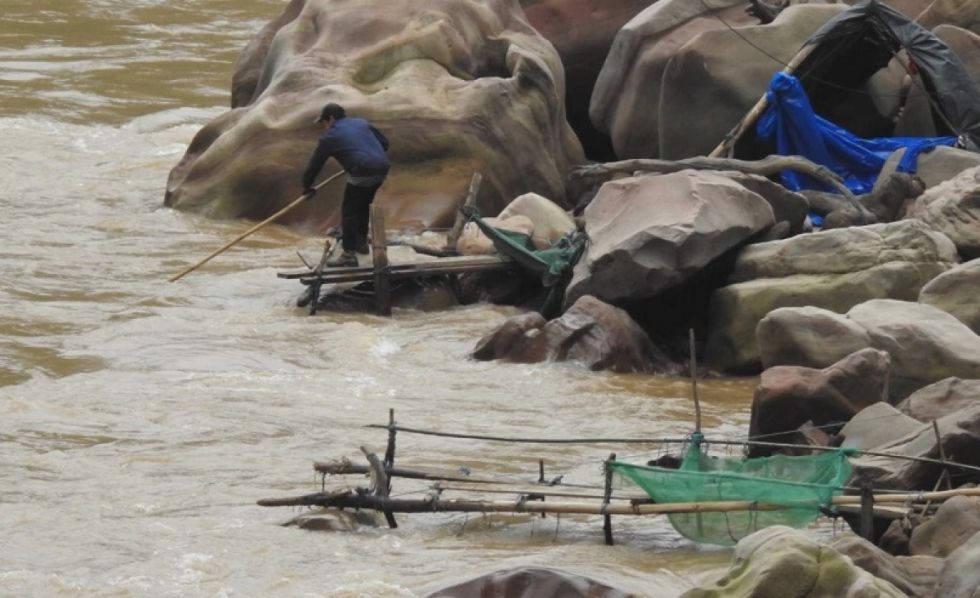
The Pilcomayo River—a vital thread flowing through southern Bolivia—sustains hundreds of Indigenous communities, including the Weenhayek, Tapiete, and Guaraní peoples in the department of Tarija. Today, it is in the news again for the worst reasons: unrelenting exploitation and mining contamination. The latter has been a looming threat for over a decade and becomes especially evident during the dry season.
The story is all too familiar and yet keeps repeating. Each year, as water levels drop and toxic sediments are dragged from mining sites in Potosí, the Pilcomayo turns into a trap for its biodiversity and for the communities that depend on it. The environmental crisis replays as if time stood still, and the voices of Indigenous peoples are barely a whisper to those in power.
A river that sickens
Mining at the Pilcomayo’s headwaters in Potosí is the main source of pollution. Despite warnings from communities and environmental organizations, mining waste continues to flow downstream, contaminating the waters used for farming, fishing, and human consumption.
Francisco Pérez Nazario, the Great Captain of the Weenhayek people, told Radio ACLO Chaco that the situation is unsustainable. “We consume the river’s water and fish,” he says, suggesting both are contaminated—but his people have no other means of survival.
Contamination? The government has repeatedly claimed that the Pilcomayo is not polluted, despite the collapse of mining containment dams.
“They’ve left us alone,” Pérez laments. His testimony reflects the deep sense of abandonment felt by Indigenous communities in Bolivia’s Chaco. They’ve been denied not only technical and medical assistance, but also the right to make decisions over their own land.
He recalls traveling to La Paz, Cochabamba, and Oruro in search of solutions—only to receive empty promises. He points out that many commitments remain unfulfilled, even accusing NGOs of switching sides and now working with the government and mining companies.
Even worse, Pérez claims there are no official studies on the health impacts.
Fishing to survive
From the Guaraní nation, Esteban Romero—the mburuvicha or leader and head of the Captains Council of Tarija—offers an equally urgent perspective: “We can’t grow or produce anything on the riverbanks because of the salt crust. Fishing is our life,” he says. The sábalo, the river’s emblematic fish, is increasingly endangered due to habitat loss and toxic buildup.
Romero also blames mining companies directly.
Although many claim to have waste control systems, during the rainy season the toxic materials overflow and are carried downstream. As a result, the damage reaches communities that have never even seen a mine nearby.
Romero says that, with support from a French organization, they’ve begun an independent technical study from the Bañado La Estrella, near the border with Argentina and Paraguay, all the way to the river’s origin in Potosí. The initiative has no state support.
Still, the government continues to insist there is no contamination in the Pilcomayo, despite the frequent collapse of tailings dams upstream.
Unpunished exploitation
Mining pollution is compounded by another scourge: the overfishing of Pilcomayo’s aquatic life. According to Evelio Téllez, head of Codefauna in the Tarija Governor’s Office, illegal fishing traps—such as nets, sticks, and planks—have been widely detected for months along the Angosto section at kilometer 9.
Following a legal process initiated by the regional government, the Agro-environmental Court of Villa Montes issued a resolution banning these traps and ordering the immediate removal of all structures that interfere with natural fish reproduction cycles.
Téllez added that some fishing concessions were granted more than 30 years ago, but still engage in destructive and banned fishing practices that harm the Pilcomayo’s biodiversity and the livelihood of Indigenous families who rely on the river.
No fish reach downstream
Peasant communities in the Guaraní zone of Itika Guasu, in the municipality of Entre Ríos, told El País that the use of prohibited fishing gear affects them year after year. In villages like Tentapiao or Casa de Piedra, the fish that make it through are barely the size of a hand. Meanwhile, social media posts show that larger fish are being trapped upriver in Villa Montes.
The Pilcomayo cannot wait another decade
The Pilcomayo River is no longer what it once was. Its flow has changed, its flora and fauna are dwindling, and its role as a life source is in danger. Without immediate intervention, Indigenous leaders warn, we risk not only an ecosystem, but also a culture, an economy, and a way of life in harmony with nature.
Ludmila Pizarro, an activist with the Environmental Platform of Villa Montes, warns that deforestation is another serious factor. She emphasized that this is causing more sediment to wash into the river, leading to flooding in Indigenous communities. She decried the government’s inaction and warned that this river cannot survive another decade of neglect.
Por Leonel Suárez, El País:
La depredación ictícola y la contaminación minera son los problemas recurrentes. El drama ambiental persiste sin que la voz de los pueblos indígenas pueda ser escuchada por las autoridades
El río Pilcomayo, ese hilo vital que atraviesa el sur de Bolivia y da sustento a cientos de comunidades indígenas como los Weenhayek, Tapiete y Guaraní en territorio tarijeño, vuelve a ser noticia por las peores razones: la depredación sin freno y la contaminación minera. Este último es un problema que amenaza desde hace más de una década, y ahora se hace visible con la llegada del estiaje.
La historia es conocida y, sin embargo, recurrente. Cada año, con el descenso del caudal y el arrastre de sedimentos tóxicos desde las cabeceras mineras en Potosí, el Pilcomayo se convierte en una trampa para su biodiversidad y para las poblaciones que dependen de él. El drama ambiental se repite como si el tiempo no pasara, como si la voz de los pueblos indígenas fuera apenas un murmullo para los oídos del poder.
Un río que enferma
La minería en (Potosí) las nacientes del Pilcomayo es el principal factor de contaminación. A pesar de las advertencias de comunidades y organizaciones ambientales, los residuos mineros siguen su curso hacia las tierras bajas, acumulándose en las aguas que alimentan los sistemas agrícolas, la pesca y el consumo humano.
El capitán grande del pueblo Weenhayek, Francisco Pérez Nazario, en una entrevista con Radio ACLO Chaco, advierte que la situación es insostenible. “Consumimos el agua y el pescado del río”, dejando entrever que están contaminados, pero no tienen otra alternativa de subsistencia.
¿Contaminación? El Gobierno ha afirmado en reiteradas ocasiones que no existe contaminación en el Pilcomayo, pese al colapso de diques de contención mineros
“Nos dejaron solos”, denuncia. Su testimonio refleja el sentimiento de abandono que embarga a las comunidades indígenas del Chaco boliviano, a las que no solo se les ha negado asistencia técnica y sanitaria, sino que también se les ha quitado el derecho a decidir sobre su propio territorio.
Pérez recuerda haber viajado a La Paz, Cochabamba y Oruro para buscar soluciones, sin obtener más que promesas vacías. Menciona que los compromisos se han quedado en el papel e incluso apuntó contra ONGs (organizaciones no gubernamentales) que prometían ayudar, pero que ahora trabajan con el Gobierno y los mineros.
Más grave aún, el dirigente indígena asegura que no existen estudios oficiales sobre los impactos en la salud.
Pescar para vivir
Desde la nación guaraní, el mburuvicha Esteban Romero, presidente de los capitanes del departamento de Tarija, aporta otra visión igual de crítica: “No se puede sembrar ni producir en las orillas del Pilcomayo por el salitral, la pesca es nuestra vida”, sostiene. Y es que el sábalo, especie emblemática del río, se encuentra cada vez más amenazado por los cambios en el hábitat y los contaminantes acumulados.
Romero también señala a las empresas mineras como responsables directas.
Aunque muchas aseguran contar con sistemas de control de residuos, en época de lluvias los desechos tóxicos desbordan y son arrastrados río abajo. En consecuencia, el daño llega hasta comunidades que jamás han tenido una mina cerca.
Romero indica que en un esfuerzo por obtener datos fiables —con apoyo de una organización francesa— han comenzado un estudio técnico independiente desde el Bañado La Estrella, en la frontera con Argentina y Paraguay, hasta las nacientes en Potosí. La iniciativa no tiene respaldo estatal.
Sin embargo, desde el Gobierno en reiteradas ocasiones han asegurado que no existe contaminación en el Pilcomayo, pese al colapso frecuente de diques mineros en las cabeceras.
Depredación sin castigo
A la contaminación minera se suma otro flagelo, la depredación de la fauna ictícola del Pilcomayo. Según Evelio Téllez, responsable de Codefauna de la Gobernación de Tarija, durante meses se detectó el uso masivo de trampas ilegales, como redes, palos y tablones en el tramo del Angosto kilómetro 9.
Asegura que por un proceso legal impulsado por la Gobernación, el Juzgado Agroambiental de Villa Montes emitió una resolución que prohíbe el uso de trampas y ordena el retiro inmediato de las estructuras que están alterando los ciclos naturales de reproducción de los peces.
Téllez mencionó que hay concesiones otorgadas hace más de 30 años, pero que tienen hábitos de pesca depredativa prohibida, que afecta la biodiversidad del Pilcomayo y el sustento de familias indígenas que viven de lo que les proporciona este afluente.
No llegan pescados aguas abajo
Comunidades campesinas que son parte de la zona guaraní del Itika Guasu en el municipio de Entre Ríos, consultadas por El País, han denunciado que la utilización de artes de pesca prohibidas, les afecta todos los años. En el caso de Tentapiao o Casa de Piedra, los cardúmenes que llegan apenas superan la palma de la mano, mientras en redes sociales se advertía que las trampas pesqueras atajaban a los más grandes en Villa Montes.
El Pilcomayo no puede esperar otra década
El río Pilcomayo ya no es el que era. Su caudal ha cambiado, su flora y fauna se han visto reducidas, y su rol como fuente de vida está en peligro. Sin intervención inmediata, advierten los dirigentes indígenas, se arriesga no solo un ecosistema, sino también una cultura, una economía y una forma de vivir en armonía con la naturaleza.
Desde la Plataforma Ambiental Villa Montes, la activista Ludmila Pizarro, ha advertido que otros de los factores que está afectando a este afluente, es la deforestación. Enfatizó que esta actividad está generando que haya mayor arrastre de sedimento, y en consecuencia está ocasionando que éste desborde hacia comunidades indígenas. Lamentó la falta de acción del Gobierno y advirtió que este río no puede aguantar otra década en el abandono.
https://elpais.bo/tarija/20250725_pilcomayo-el-rio-que-daba-vida-y-que-ahora-agoniza.html

 Bolivian Thoughts | Pensamientos Bolivianos (Bilingual/Bilingüe)
