
By El Diario:
Government measures do not remedy the economic crisis
Catholic Church calls for 5 structural solutions
- Free importation of crude oil, reduction of public spending, promotion of exports, support for private investment, and a change in the economic model are the measures that must be implemented.
- The country requires a transformation and not just temporary relief, states the Episcopal Conference.
Faced with the fuel crisis affecting the country, the Catholic Church believes that the 10 measures adopted by the Government to alleviate the situation do not “remedy the problem.” For this reason, it suggests implementing structural measures, including the free importation of crude oil and tax exemptions.
This position was made public by the Bolivian Episcopal Conference (CEB) yesterday through the statement “Great solutions for great problems.”
After stating that Bolivia is experiencing a time of uncertainty and challenges, the Catholic Church acknowledged the measures taken by the Government. However, it warned that given the complex situation in Bolivia, it believes that “the proposed solutions do not remedy the problem, as they do not address the fundamental issue the country is facing: the economic and social crisis.”
“We believe that structural measures must be proposed, such as the tax-free importation of crude oil so that the people do not suffer, the reduction of public spending, the promotion of exports, the strengthening of private investment, and a change in the economic model from a redistribution-based economy to one that generates wealth—measures that truly solve Bolivia’s problems,” the CEB states in its document.
On Wednesday night, the Government announced 10 measures to mitigate the fuel crisis caused by the lack of dollars for purchases.
Among these measures are a 50% reduction in the use of public vehicles, an increase in fuel supply to meet 80% of demand, the implementation of continuous working hours and remote work, and the possibility of virtual classes for students.
“A structural transformation towards a sustainable economic system is required, not just temporary relief that does not address the underlying problem,” the CEB maintained.
The Catholic Church also expressed concern for Bolivian households struggling to make a living through simple jobs and meet their families’ needs. “The Church is committed to being a beacon of hope and a space for dialogue. We are here to listen, support, and help,” it stated. (Brújula Digital)
People are fighting over gasoline
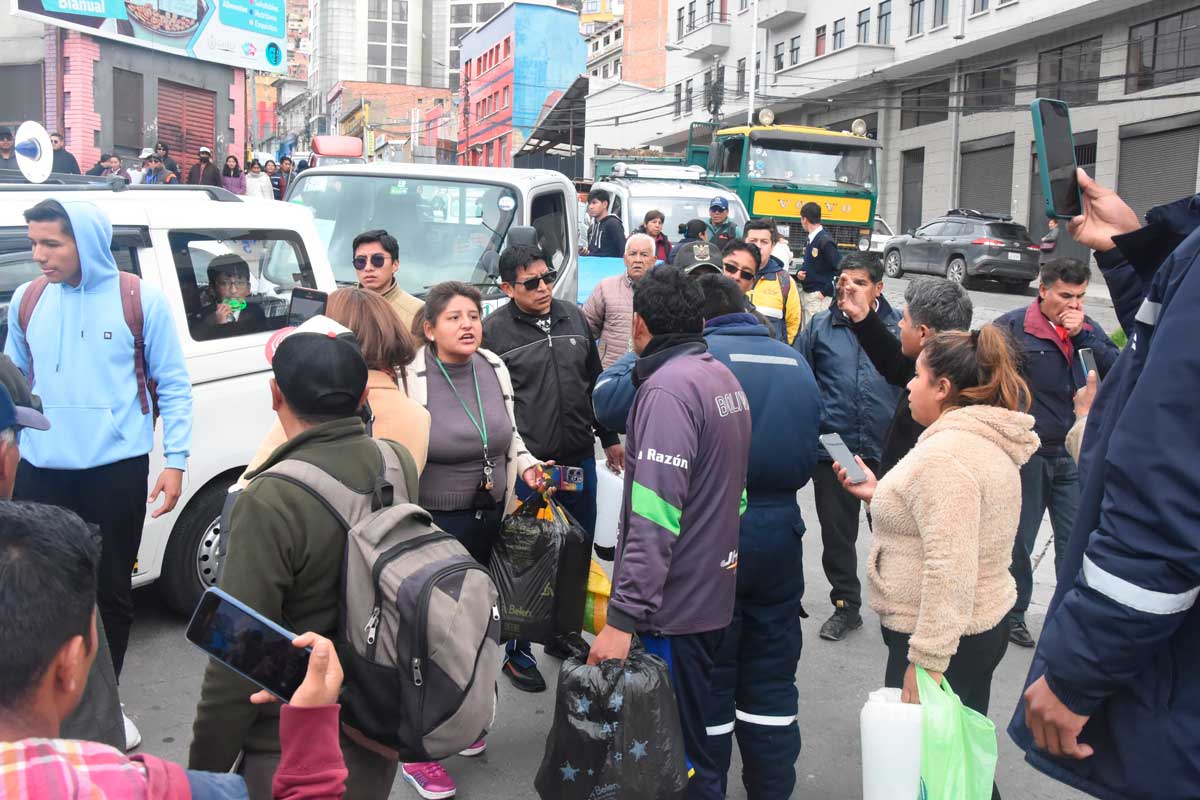
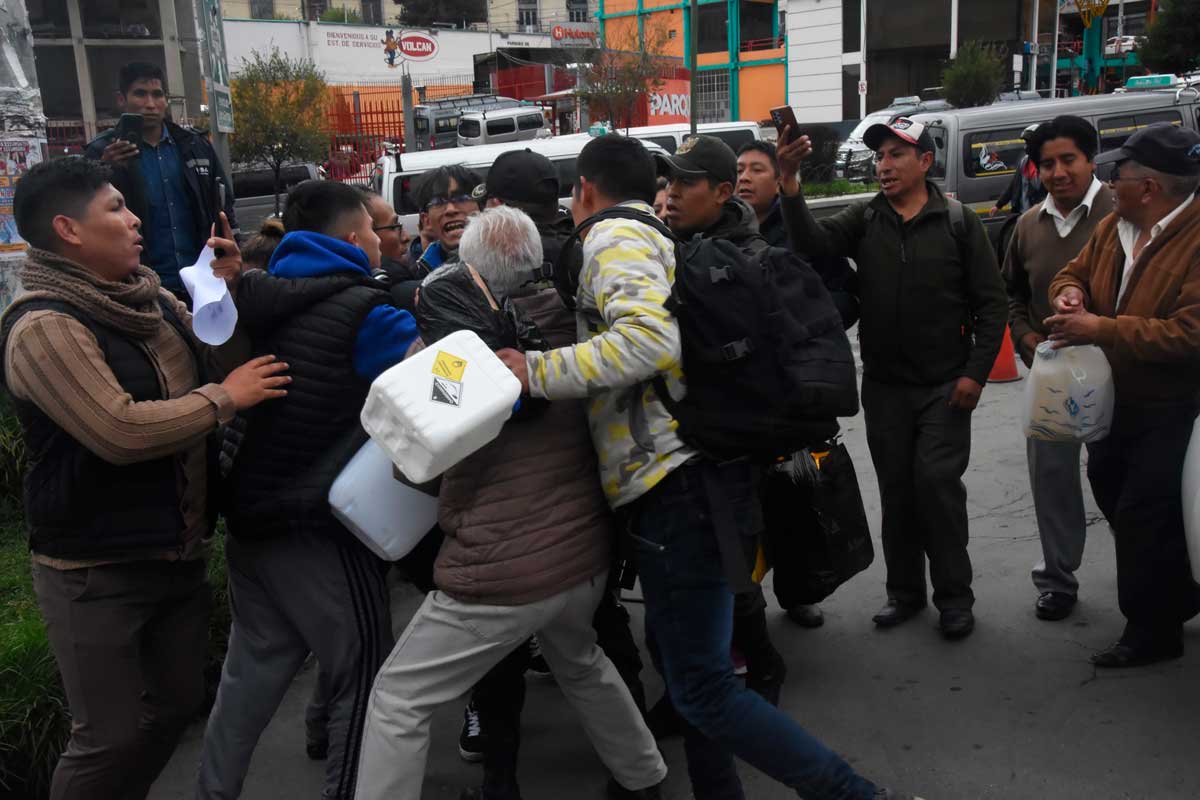
The long and tedious lines of vehicles and people searching for fuel continue at service stations. At the Uruguay gas station, located on Montes Avenue, frustration among the people led to fights yesterday between those trying to buy gasoline in jerrycans.
Por El Diario:
Medidas del Gobierno no remedian la crisis económica
Iglesia Católica pide 5 soluciones estructurales
- Libre importación de crudo, reducción del gasto público, fomento a exportaciones, apoyo a inversión privada y cambio de modelo económico, son las medidas que deben ser implementadas.
- El país requiere una transformación y no solo paliativos momentáneos, sostiene la Conferencia Episcopal.
Ante la crisis de combustibles que atraviesa el país, la Iglesia Católica ve que las 10 medidas adoptadas por el Gobierno para paliar esa situación, no “remedian el problema”. Por ese motivo, sugiere la implementación de medidas estructurales, entre ellas la libre importación de crudo y de impuestos.
La posición fue hecha a conocer por la Conferencia Episcopal Boliviana (CEB) ayer, a través del comunicado “A grandes males, grandes soluciones”.
Luego de sostener que Bolivia está en un tiempo de incertidumbre y desafíos, la Iglesia Católica valoró las medidas dictadas por el Gobierno. Sin embargo, advirtió que ante la situación tan complicada que vivimos en Bolivia, creen que “las soluciones propuestas no remedian el problema, pues no corrigen la situación fundamental que sufre el país: que es la crisis económica y social”.
“Creemos que se deben proponer medidas estructurales, como por ejemplo la importación de crudo, libre de impuestos para que el pueblo no sufra, la reducción del gasto público, el fomento de las exportaciones, el fortalecimiento de la inversión privada, el cambio de modelo económico que pase de una economía de redistribución a uno de generar riqueza, medidas que verdaderamente solucionen los problemas que tiene Bolivia”, señala la CEB en su documento.
El Gobierno, la noche del miércoles, emitió 10 medidas para paliar la crisis de combustibles que vive el país, por la falta de dólares para la compra.
Entre las determinaciones, se establecen: un ahorro del 50% del uso de vehículos públicos, aumento de la oferta de combustibles hasta llegar a un 80% de la demanda, la implementación del horario continuo y el teletrabajo y la posibilidad de clases virtuales para estudiantes.
“Se requiere una transformación estructural hacia un sistema económico sostenible y no solo paliativos (momentáneos)que no solucionan el problema de fondo”, sostuvo la CEB.
La Iglesia Católica también indicó que le preocupa los hogares bolivianos que no pueden ganarse la vida en sus trabajos sencillos y atender las necesidades de sus familias. “La Iglesia está comprometida a ser un faro de esperanza y un espacio de encuentro. Estamos aquí para escuchar, acompañar y ayudar”, señaló. (Brújula Digital)
La gente se pelea por gasolina
Las largas y tediosas filas de motorizados y personas en busca de combustible continúan en las estaciones de servicio. En el surtidor Uruguay, ubicado en la avenida Montes, el malestar de la gente derivó ayer en peleas entre los que procuraban comprar gasolina en bidones.
https://www.eldiario.net/portal/2025/03/14/iglesia-catolica-pide-5-soluciones-estructurales/

 Bolivian Thoughts | Pensamientos Bolivianos (Bilingual/Bilingüe)