
By El Diario:
Affirms congresswoman María José Salazar
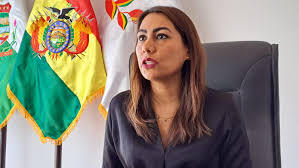
The asylum requests of Bolivian journalists in the United States are a concerning reflection of the crisis facing press freedom in the country, stated María José Salazar, deputy from Comunidad Ciudadana (CC).
Information gathered by legal experts and immigration specialists reveals an alarming trend: journalists, particularly from Santa Cruz, have chosen to leave Bolivia due to political persecution, lack of guarantees for practicing their profession, and economic suffocation of independent media outlets.
“Journalism, as a pillar of democracy, must have minimum conditions to operate freely. However, in Bolivia, constant attacks against the press, government pressure, and economic suffocation have created a hostile environment that forces many to opt for exile. In most cases, the United States is the destination chosen by our compatriots due to its long-standing tradition of protecting freedom of expression. This is why there is hope that the new administration will provide viability to the various asylum requests from Bolivians choosing that country,” she said.
However, she added, the problem goes beyond individual cases. Recently, we have seen the departure of prominent journalists such as José Miguel Sánchez, Carla Paz, José Antonio Camacho, Marcelo Suárez, and Carmen Pérez, which represents a loss for Bolivian journalism and society as a whole. Additionally, there is the case of Mario Méndez, who has reported corruption cases in the Warnes mayor’s office and has consequently faced judicial persecution. Journalism serves as a fundamental counterbalance to power, and the forced migration of journalists weakens access to truthful and pluralistic information. Moreover, the phenomenon of “brain drain” is becoming evident in other sectors, limiting the country’s ability to develop.
“It is clear that economic factors play a key role. The precarious job market, rising informality, and Bolivia’s financial crisis have led many to seek alternatives abroad,” she said.
Few independent media outlets remain in Bolivia, facing harassment through taxes, labor laws, and lack of access to state advertising. As a result, platforms providing access to truthful information—essential for democracy—are slowly fading.
“The three levels of government in Bolivia should take this issue seriously. It is imperative to ensure safe conditions for journalism, respect the independence of media outlets, and stop using economic or judicial pressure against critical journalists. Additionally, efforts must be made to create job opportunities so that young people do not see migration as their only option for progress,” she stated.
“If the exodus of journalists and professionals does not stop, Bolivia risks deepening its institutional and economic crisis. Freedom of expression is not just a fundamental right but an indicator of the health of a democracy. Without a free press, we all lose,” she concluded.
Por El Diario:
Afirma diputada María José Salazar
La solicitud de asilo de periodistas bolivianos en Estados Unidos es un reflejo preocupante de la crisis que enfrenta la libertad de prensa en el país, afirmó la diputada por Comunidad Ciudadana (CC), María José Salazar.
La información recabada por juristas y expertos en inmigración muestra una tendencia alarmante: comunicadores, especialmente de Santa Cruz, han decidido abandonar Bolivia a causa de la persecución política, falta de garantías para el ejercicio de su profesión y asfixia económica a los medios de comunicación independientes.
“El periodismo, como pilar de la democracia, debe contar con condiciones mínimas para operar libremente. Sin embargo, en Bolivia, los constantes ataques contra la prensa, la presión gubernamental y la asfixia económica han generado un clima hostil que obliga a muchos a optar por el exilio. En la mayoría de los casos, Estados Unidos es el destino elegido por nuestros compatriotas debido a su larga tradición de protección a la libertad de expresión, por ello se alberga la esperanza de que la nueva administración de viabilidad a las distintas solicitudes de los bolivianos que eligen ese país”, dijo.
Sin embargo, agregó, el problema va más allá de lo individual. En este último tiempo hemos visto la salida de profesionales de la comunicación de reconocida trayectoria como: José Miguel Sánchez, Carla Paz, José Antonio Camacho, Marcelo Suárez y Carmen Pérez, lo cual implica una pérdida para el periodismo boliviano y para la sociedad boliviana en su conjunto. Así mismo, está el caso de Mario Méndez, que ha denunciado casos de corrupción en la alcaldía de Warnes, por lo que ha sufrido persecución judicial. El periodismo es un contrapeso fundamental para el poder, y la emigración forzada de comunicadores debilita el acceso a información veraz y plural. Además, el fenómeno de la «fuga de cerebros» es latente en otros sectores, lo que frena la capacidad del país para poder desarrollarse.
“Es evidente que el factor económico juega un papel determinante. La precarización del mercado laboral, el crecimiento de la informalidad y la crisis financiera que atraviesa Bolivia han hecho que muchos busquen alternativas en el exterior”, dijo.
Quedan pocos medios de comunicación independientes en Bolivia, acosados vía impuestos, legislación laboral y sin acceso a la publicidad estatal. Así, poco a poco languidecen las plataformas que permitan acceder a información veraz, fundamental para la democracia.
“Los tres niveles del Estado en Bolivia deberían tomar en serio esta problemática. Es imperativo garantizar condiciones seguras para el ejercicio periodístico, respetar la independencia de los medios y cesar la utilización de mecanismos de presión económica o judicial contra periodistas críticos. Además, se debe trabajar en generar oportunidades laborales para evitar que los jóvenes vean en la migración la única alternativa de progreso”, sostuvo.
“Si el éxodo de periodistas y profesionales no se detiene, Bolivia corre el riesgo de profundizar su crisis institucional y económica. La libertad de expresión no es solo un derecho fundamental, sino un indicador del estado de salud de una democracia. Sin un periodismo libre perdemos todos”, finalizó.

 Bolivian Thoughts | Pensamientos Bolivianos (Bilingual/Bilingüe)