
By El Diario:
After 18 years of the “masista” model
- The fuel shortage, dollar scarcity, and roadblocks—which have left Cochabamba isolated due to internal political disputes—have, in sixteen days, caused food shortages and price increases across the country.
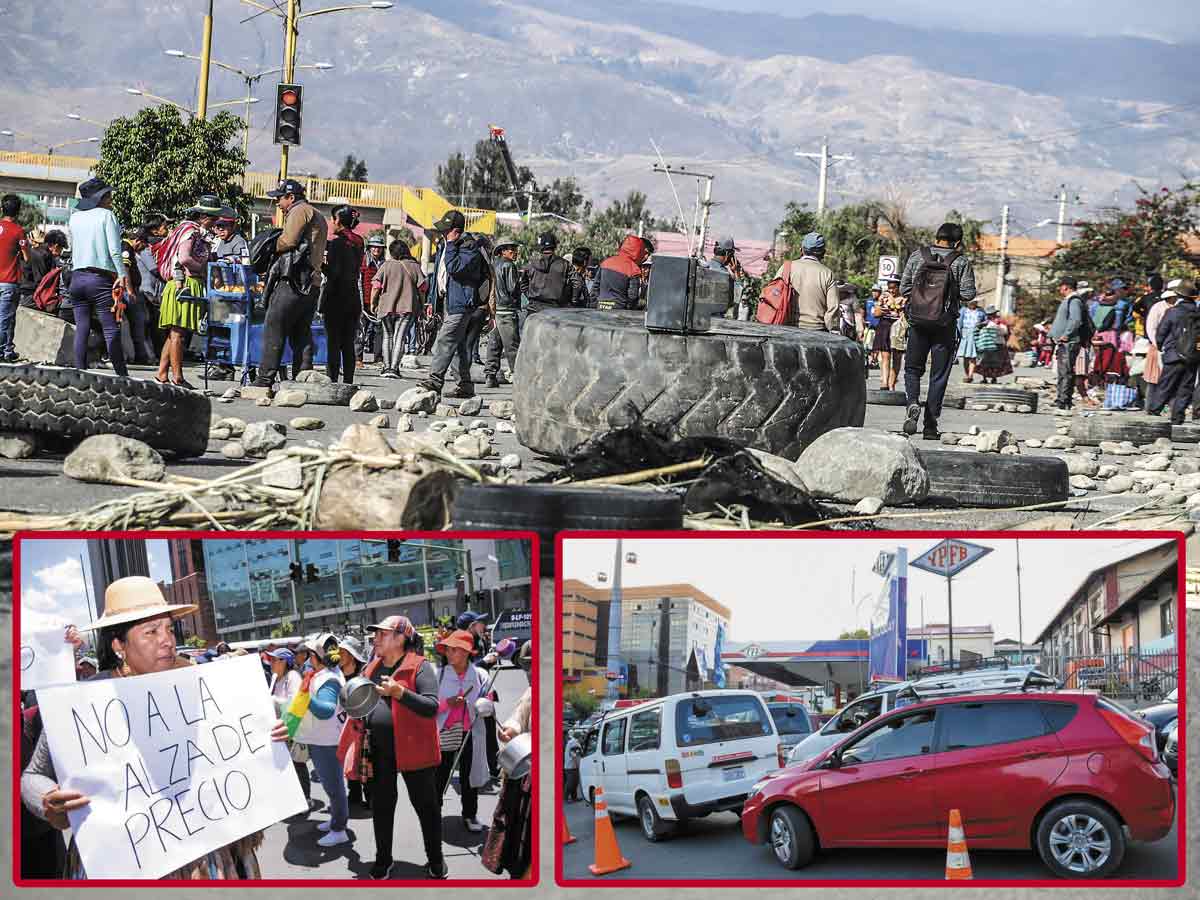
The economic and political crisis Bolivia has faced in recent months has deepened significantly, leaving Luis Arce’s government in a precarious position and revealing its lack of capacity to implement an effective response.
The economy now confronts serious challenges. The shortage of fuel and other essential resources has generated widespread discontent. The policies implemented by the government have not managed to alleviate these issues, leading to a growing perception of an inability to tackle the crisis.
The roadblock, which reached its sixteenth day yesterday, has left the department of Cochabamba isolated from the rest of the country. This situation is driving up food prices, such as chicken, which now costs 12 bolivianos per kilo in Santa Cruz and between Bs 23 and Bs 24.50 per kilo in La Paz.
Adding to this is the scarcity of rice, sugar, oil, and vegetables, which have practically disappeared from stores and markets; when they are available, their prices are prohibitively high.
Moreover, the fuel shortage worsens daily, especially in the central cities, where long lines of vehicles have led to increased transportation fares as public transport drivers cite the higher cost of gasoline, now priced at Bs 6.80.
Regarding the lack of gasoline and diesel, the Port Authority of Arica confirmed that three ships have not unloaded fuel bound for Bolivia for several weeks.
The actual reason these ships remain at the port is the government’s dollar shortage to cover the import costs.
What draws attention and raises questions among citizens is that, over 18 years in power, the Movement for Socialism (MAS) managed over 55 billion dollars, and yet Bolivia is now in crisis.
Adding to this is the escalation of political violence, including incidents like the alleged attack on Evo Morales and the recent attempted coup by a former Army commander.
Protests and demonstrations have become more frequent and violent, reflecting widespread dissatisfaction. The lack of dialogue and repression of protests has worsened the situation, creating an environment of instability and fear.
The judicial system and corruption are additional factors worsening the crisis. Reports of corruption within the government and perceptions of a biased judiciary have eroded confidence in the country’s institutions. The lack of transparency and impunity has generated a sense of hopelessness among citizens.
The international community has also expressed concern. Organizations such as the OAS and the UN have urged the government to take measures to restore peace and stability. However, responses have been insufficient and, most times, delayed.
Por El Diario:
Tras 18 años de modelo “masista”
- La falta de combustible, la escasez de dólares y el bloqueo de caminos, que ha dejado aislado a Cochabamba por pugnas políticas internas, provocó en dieciséis días la carencia de alimentos y el alza de precios en el país.
La crisis económica y política por la que atraviesa Bolivia en los últimos meses se ha ahondado significativamente, dejando al gobierno de Luis Arce en una posición precaria y demostrando su falta de capacidad para ejecutar una respuesta efectiva.
La economía ahora enfrenta serios desafíos. La falta de combustible y otros recursos esenciales ha generado descontento entre la población. Las políticas implementadas por el Gobierno no han logrado mitigar estos problemas, lo que ha llevado a una creciente percepción de incapacidad para encarar la crisis.
El bloqueo de caminos que ayer cumplió su decimosexto día y ha dejado aislado del resto del país al departamento de Cochabamba, situación que repercute en el encarecimiento de alimentos como el pollo, cuyo precio por kilo en Santa Cruz está en 12 bolivianos y en La Paz oscila entre los Bs 23 y los Bs 24,50 por kilo.
A esto se suma la escasez de arroz, azúcar, aceite, verduras que en tiendas y mercados prácticamente han desaparecido y si se los encuentra su costo es muy elevado.
Por otro lado, la falta de combustible se agudiza a diario y con más fuerza en las ciudades del eje central del país, donde las filas de motorizados son interminables, lo que derivó en el incremento del precio de los pasajes, debido a que los conductores del transporte público ponen como excusa que ahora adquieren gasolina a Bs 6.80.
Con relación a la falta de gasolina y diésel, la Capitanía del Puerto de Arica confirmó que hace varias semanas, tres buques no descargan carburantes que tienen como destino final Bolivia.
El verdadero motivo de que los buques se mantengan en el puerto es la falta de dólares del Gobierno para cancelar el importe que representa esta importación.
Lo que llama la atención y genera cuestionamientos en la ciudadanía es que en los 18 años en el poder, el Movimiento al Socialismo (MAS) tuvo en sus manos más de 55 mil millones de dólares, ahora Bolivia está en crisis.
A lo anterior se suma la escalada de la violencia política con incidentes, como el supuesto atentado sufrido por Evo Morales y el reciente intento de golpe de Estado por parte de un excomandante del Ejército.
Las protestas y manifestaciones se han vuelto más frecuentes y violentas, reflejando el descontento generalizado. La falta de diálogo y la represión de las protestas han exacerbado la situación, creando un ambiente de inestabilidad y temor.
El sistema judicial y la corrupción son otros factores que agravan la crisis. Las denuncias de corrupción dentro del Gobierno y la percepción de un sistema judicial parcial han minado la confianza en las instituciones del país. La falta de transparencia y la impunidad han generado una sensación de desesperanza entre los ciudadanos.
La comunidad internacional también expresó su preocupación, a través de organizaciones como la OEA y la ONU han instado al Gobierno que tome medidas para restaurar la paz y la estabilidad. Sin embargo, las respuestas son insuficientes y la mayoría de las veces tardías.
https://www.eldiario.net/portal/2024/10/30/crisis-se-ahonda-y-gobierno-sin-capacidad-de-respuesta/

 Bolivian Thoughts | Pensamientos Bolivianos (Bilingual/Bilingüe)