
By Juan Jose Toro, Vision 360:
Is the law meant to be enforced or negotiated? By calling for a dialogue with a group of people who pursue individual and sectarian interests, Arce is also confirming that Bolivians are not equal before the law.
With magistrates who maneuvered to extend their high positions, Bolivians began 2024 with the confirmation that our justice system is, without exaggeration, the worst in the world.
Instead of repairing damages, Bolivian justice causes them and has become a lethal weapon against the enemies of those in power. It demonstrated this by launching spectacular police operations to arrest those it considers its political enemies, such as former civic leaders Luis Fernando Camacho and Marco Antonio Pumari.
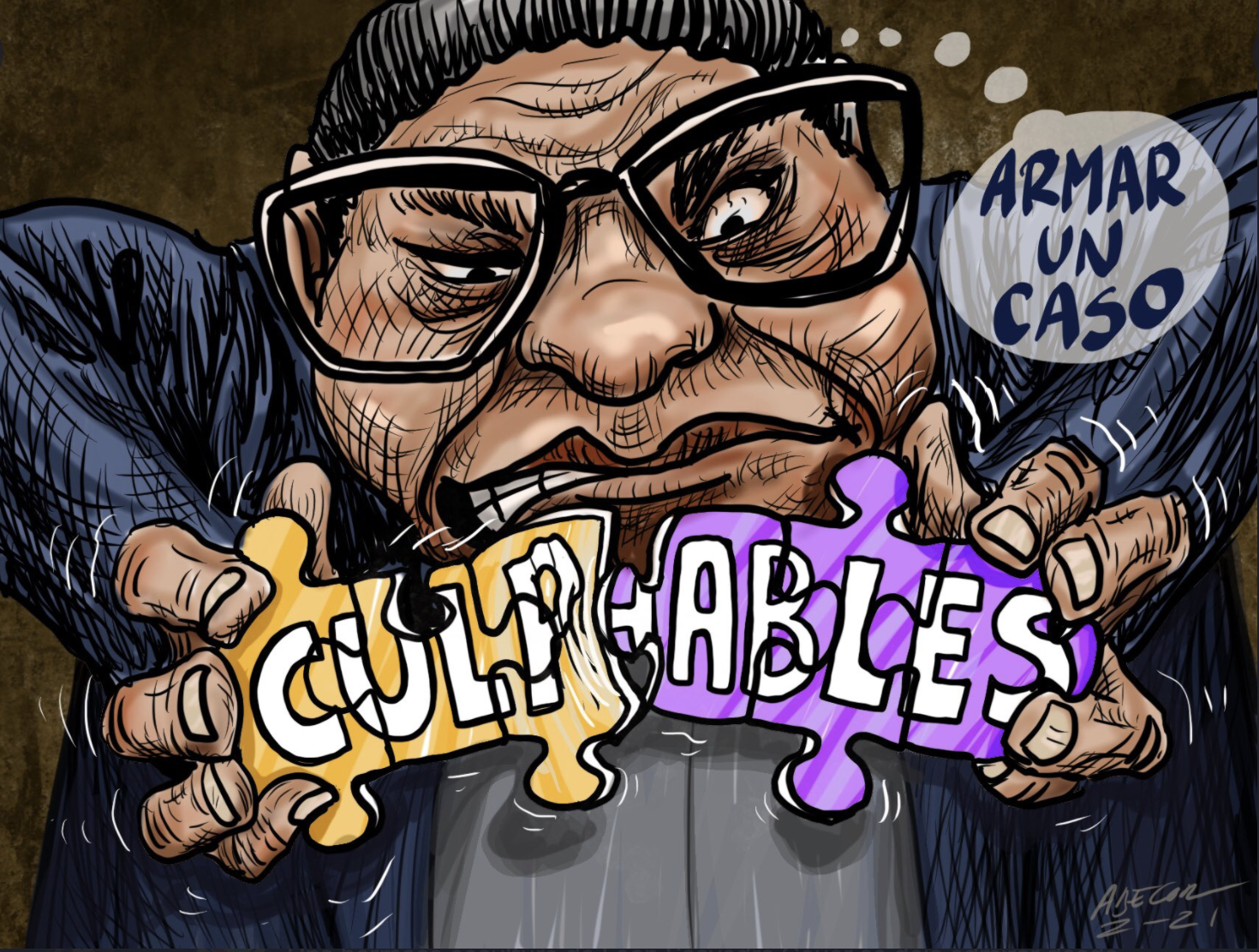
One of its victims is Jeanine Añez. When she was subjected to an ordinary trial, many voices protested because, as a former president, she should have been tried through an accountability trial. However, the government’s argument was that she had not been a president but a “self-proclaimed” one, as the result of a coup d’état. They ignored arguments stating that coup leaders like García Meza were tried through accountability trials because that is what the law dictates.

Then, in one of his detestable habits, Evo Morales spoke up to say that Añez’s ordinary prosecution was decided in a negotiation with the government, where he requested that route, discarding the accountability trial. The matter is extremely serious because, with the greatest of ease, the former president admitted that he circumvented the law by imposing his will over it. He wanted to send Jeanine to jail, and he succeeded.
But life is a rollercoaster, so after many attempts, he had to face the consequences of an accusation for allegedly committing sexual crimes. The Tarija Prosecutor’s Office issued a warrant for his arrest, but a judge in Santa Cruz immediately annulled it.
While he was president, Morales enjoyed total immunity and protection. He could commit crimes because his circle allowed and facilitated it, but now things are different because he is not governing, at least not directly.

However, Evo continues to wield his power in ways that are noticeable but not provable. One of them is buying the conscience of judges and prosecutors to ensure they don’t go after him. He has evaded the actions of justice, which until midweek had decided not to touch him, and has entrenched himself in his stronghold of Chapare so that no one can interfere with him.
To make matters worse, his supporters have initiated a roadblock, which, as they have openly admitted, seeks to prevent him from being apprehended. It has been “reconfirmed,” then, that we are not equal before the law because there is a class untouched by it, one that can pay for its favors.

But that’s not all: President Luis Arce’s government chose to invite Evo Morales and his followers to negotiate a solution to their demands. And what is going to be negotiated? Once again, the former president will be safe from justice, even though it has been shown that he has committed statutory rape.
Is the law meant to be enforced or negotiated? By calling for a dialogue with a group of people who pursue individual and sectarian interests, Arce is also confirming that Bolivians are not equal before the law.

Por Juan Jose Toro, Vision 360:
¿La ley es para cumplirla o negociarla? Con la convocatoria a diálogo a un grupo de personas que persiguen un fin individual y sectario, Arce también está confirmando que los bolivianos no somos iguales ante la ley.
Con magistrados que habían maniobrado para prolongarse en sus altas funciones, los bolivianos comenzamos 2024 con la ratificación de que nuestra justicia es, sin exagerar, la peor del mundo.
En lugar de reparar daños, la justicia boliviana los causa y se ha convertido en un arma letal para los enemigos de los detentadores del poder. Nos lo demostró cuando desató aparatosos operativos policiales para detener a quienes considera sus enemigos políticos como los excívicos Luis Fernando Camacho y Marco Antonio Pumari.
Una de sus víctimas es Jeanine Añez. Cuando fue sometida a un juicio ordinario, varias voces protestaron porque, en su condición de expresidenta, le corresponde ser procesada mediante un juicio de responsabilidades, pero el argumento del gobierno fue que ella no había sido presidenta sino una “autoproclamada” como corolario de un golpe de Estado. No escucharon los argumentos en el sentido de que golpistas como García Meza fueron procesados mediante juicio de responsabilidades, porque eso es lo que dice la ley.
Entonces, en uso de una de sus detestables costumbres, Evo Morales abrió la boca para decir que el enjuiciamiento ordinario de Añez fue decidido en una negociación con el gobierno en la que él pidió esa vía, desechando el juicio de responsabilidades. El asunto es extremadamente grave porque, con la mayor naturalidad del mundo, el expresidente confesó que burló la ley al imponer su voluntad por encima de esta. Quería mandar a Jeanine a la cárcel y lo logró.
Pero la vida es una montaña rusa, así que, después de muchos intentos, a él le tocó afrontar las consecuencias de una denuncia por la supuesta comisión de delitos sexuales. La Fiscalía de Tarija emitió orden de aprehensión en su contra, pero, de inmediato, una jueza de Santa Cruz la anuló.
Mientras era presidente, Morales gozaba de inmunidad y protección totales. Podía cometer delitos porque su entorno se lo permitía y facilitaba, pero ahora las cosas son diferentes porque no está gobernando, por lo menos no directamente.
Sin embargo, Evo sigue ejerciendo su poder de maneras que se puede advertir, pero no se puede probar. Una de ellas es comprando conciencias de jueces y fiscales para que estos no se metan con él. Ha evadido la acción de la justicia, que hasta esta media semana había decidido no tocarlo, y se ha parapetado en su feudo del Chapare para que nadie se meta con él.
Para agravar las cosas, sus simpatizantes han iniciado un bloqueo de caminos que, según lo han admitido y señalado en voz alta, busca evitar que él sea aprehendido. Se ha “recontraconfirmado”, entonces, que no somos iguales ante la ley porque existe una clase que no es tocada por esta, aquella que puede pagar sus favores.
Pero eso no es todo: el gobierno del presidente Luis Arce optó por invitar al diálogo a Evo Morales y sus seguidores con el fin de negociar una solución a sus demandas. ¿Y qué es lo que se va a negociar?.. que, una vez más, el expresidente estará a salvo de la justicia aunque, como se ha demostrado, haya incurrido en estupro?
¿La ley es para cumplirla o negociarla? Con la convocatoria a diálogo a un grupo de personas que persiguen un fin individual y sectario, Arce también está confirmando que los bolivianos no somos iguales ante la ley.
https://www.vision360.bo/noticias/2024/10/17/13587-justicia-negociable

 Bolivian Thoughts | Pensamientos Bolivianos (Bilingual/Bilingüe)