
By Omar Pereyra, Eju.tv:
Economics: “We Won’t Endure Without an Injection of at Least $3 Billion,” Warns Analyst
Economist Gonzalo Chávez analyzed the situation and observed that the lack of dollars is just the tip of the iceberg, revealing the exhaustion of the primary-export model. He suggested a new set of measures.
Source: Unitel
In a national context marked by a lack of dollar availability, which has been flagged by various sectors of the production apparatus, economist Gonzalo Chávez observed that an urgent comprehensive package is needed in the short term. This package should enable access to external resources, including an injection of at least $3 billion.
From Chávez’s perspective, the package should include support for exports, which have decreased in recent months, and a tax reform that considers new wealthy individuals. Additionally, addressing hydrocarbon subsidies is crucial, with the option of partially removing them, especially for large diesel consumers.
Chávez recalled that the government had previously agreed with entrepreneurs on direct diesel purchases and fuel auctions. However, he emphasized the need for differentiation between lower-income sectors and high-end vehicles.
“This is a comprehensive package that, in the short term, should also secure external resources, such as a bridge loan from the IMF or another country. We won’t be able to endure these two years without an injection of at least $3 billion,” the analyst stressed, highlighting the urgent need to secure dollars in a structural manner.
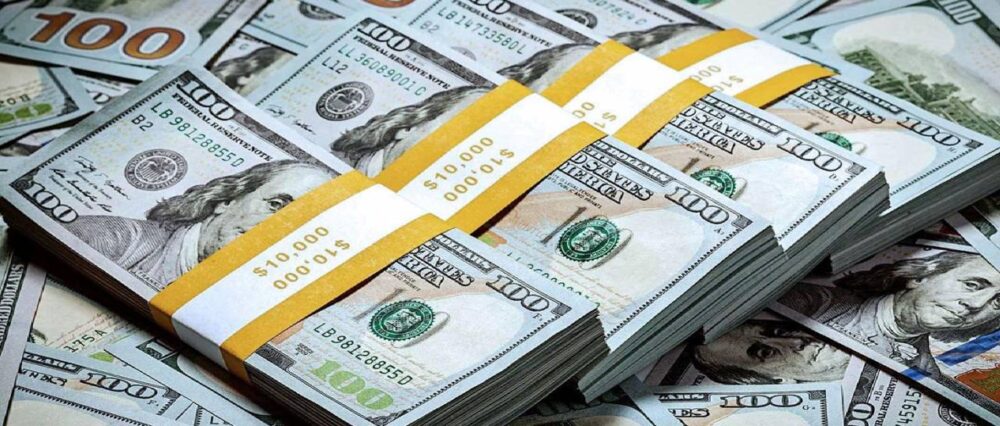
[Referential photo] / The current situation with the dollar has generated significant uncertainty in the Bolivian economy, according to the analyst
Given this situation, Chávez considered that the tourism sector could provide a response, as it requires relatively low and quick investments and could help mitigate the lack of availability of U.S. dollars.
“The dollar crisis, the lack of currency, is just the tip of the iceberg showing the exhaustion of the primary export model. The structural problem is that Bolivia stopped exporting natural gas, which in 2014 was around $6.6 billion from the state, and that has dropped to about $2.1 billion in 2023,” he emphasized.
The current dollar situation has caused enormous uncertainty in the Bolivian economy, with many importers having to turn to the parallel market to obtain dollars. This is likely to result in higher inflation for imported products, according to the analysis.
Chávez also mentioned that the issue of loans stalled in the Assembly or other dollars coming from different sources are merely temporary fixes. It is essential to change the economic model in the medium and long term by focusing on human capital and placing less emphasis on natural resources.
Furthermore, Chávez pointed out that dollars are scarce, especially, though not exclusively, within the state, specifically in Yacimientos Petrolíferos Fiscales Bolivianos (YPFB), which lacks resources to import, particularly diesel and gasoline.
“There are no magical solutions, no silver bullets. What is needed is a comprehensive approach to economic policy, fiscal policy, exchange rate policy, and trade policy. This issue is not only resolved with technical matters but also requires some political agreement. Technical solutions exist; the problem is the political feasibility of these solutions,” he concluded.
Por Omar Pereyra, Eju.tv:
Economía: “No vamos a aguantar si no hay una inyección de por lo menos $us 3.000 millones”, advierte analista
El economista Gonzalo Chávez analizó la situación y observó que la falta de dólares es la punta del iceberg que muestra el agotamiento del modelo primario exportador, por lo que sugirió un nuevo paquete de medidas.
Fuente: Unitel
En una coyuntura nacional marcada por la falta de disponibilidad de dólares que viene siendo advertida por diferentes sectores del aparato productivo, el economista Gonzalo Chávez observó que urgen que el Estado dé lugar a un paquete integral en el corto plazo que permita acceder a recursos externos y que contemplen la inyección de por los menos $us 3.000 millones.
Desde el punto de vista de Chávez está el apoyo a las exportaciones que se han visto disminuidas en los últimos meses y una reforma tributaria que considere a los nuevos ricos, así como también abordar el tema de los subsidios a los hidrocarburos, siendo una opción retirarlos parcialmente, en especial para los grandes consumidores de diésel.
Chávez recordó que el Gobierno ya había pactado esto con los empresarios la compra directa de diésel y las subastas del carburante, pero señaló que también debe haber una diferenciación con los sectores con menor poder adquisitivo e, incluso, con los vehículos de alta gama.
“Es un paquete integral que en el corto plazo debe, por ejemplo, también conseguir recursos externos que podría ser un préstamo puente del FMI o de cualquier otro país, porque no vamos a poder aguantar estos dos años si no tenemos una inyección de por lo menos $us 3.000 millones”, sostuvo el analista al remarcar que urge conseguir dólares de manera estructural.
[Foto referencial] / La coyuntura actual del dólar ha generado una enorme incertidumbre en la economía boliviana, según el analista
Tomando en cuenta este panorama, Chávez consideró que un sector que puede dar respuesta es el turismo, que con inversiones relativamente bajas y rápidas podría ser un puntal para atenuar la falta de disponibilidad de la divisa estadounidense.
“La crisis de los dólares, la falta de las divisas, es la punta del iceberg que muestra el agotamiento del modelo primario exportador. El problema estructural es que Bolivia dejó de exportar gas natural, que lo hacía en el año 2014 como a $us 6.600 millones desde el Estado y eso ha bajado hacia los $us 2.100 millones en el 2023”, subrayó.
La coyuntura actual del dólar ha generado una enorme incertidumbre en la economía boliviana y muchos importadores que tienen que recurrir al mercado paralelo para conseguir dólares, por lo que es altamente probable que tengamos más inflación de los productos importados en el país, de acuerdo con el análisis.
También manifestó que el asunto de los préstamos que están parados en la Asamblea o de otros dólares que entren por otras partes son simplemente parches, por lo es una premisa cambiar el modelo económico en el mediano y largo plazo apostando al capital humano y dejando en un segundo lugar el tema de los recursos naturales.
Además, Chavez apuntó que los dólares escasean sobre todo, aunque no exclusivamente, dentro del Estado, en concreto en Yacimientos Petrolíferos Fiscales Bolivianos (YPFB), que no tiene recursos para poder importar, sobre todo, diésel y gasolina, por ejemplo.
“No hay soluciones mágicas, no hay una bala de plata. Se necesita una aproximación integral de política económica, política fiscal, política cambiaria, política comercial. Este es un tema que se lo resuelve no solamente, además, con temas técnicos, sino con algún acuerdo político. Soluciones técnicas hay, el problema es la viabilidad política de estas soluciones”, concluyó.

 Bolivian Thoughts | Pensamientos Bolivianos (Bilingual/Bilingüe)