
El Diario:
Economist argues that it will allow reducing fiscal deficit
- The proposal starts from public-private partnerships to advance in a system of concessions to reduce expenses, according to Monasterio, and he stated that the proposal would only be implemented in 2025. Likewise, he maintained that with the closure of national and decentralized public companies, the fiscal deficit of 7.80% of GDP would be reduced by 2.21%.
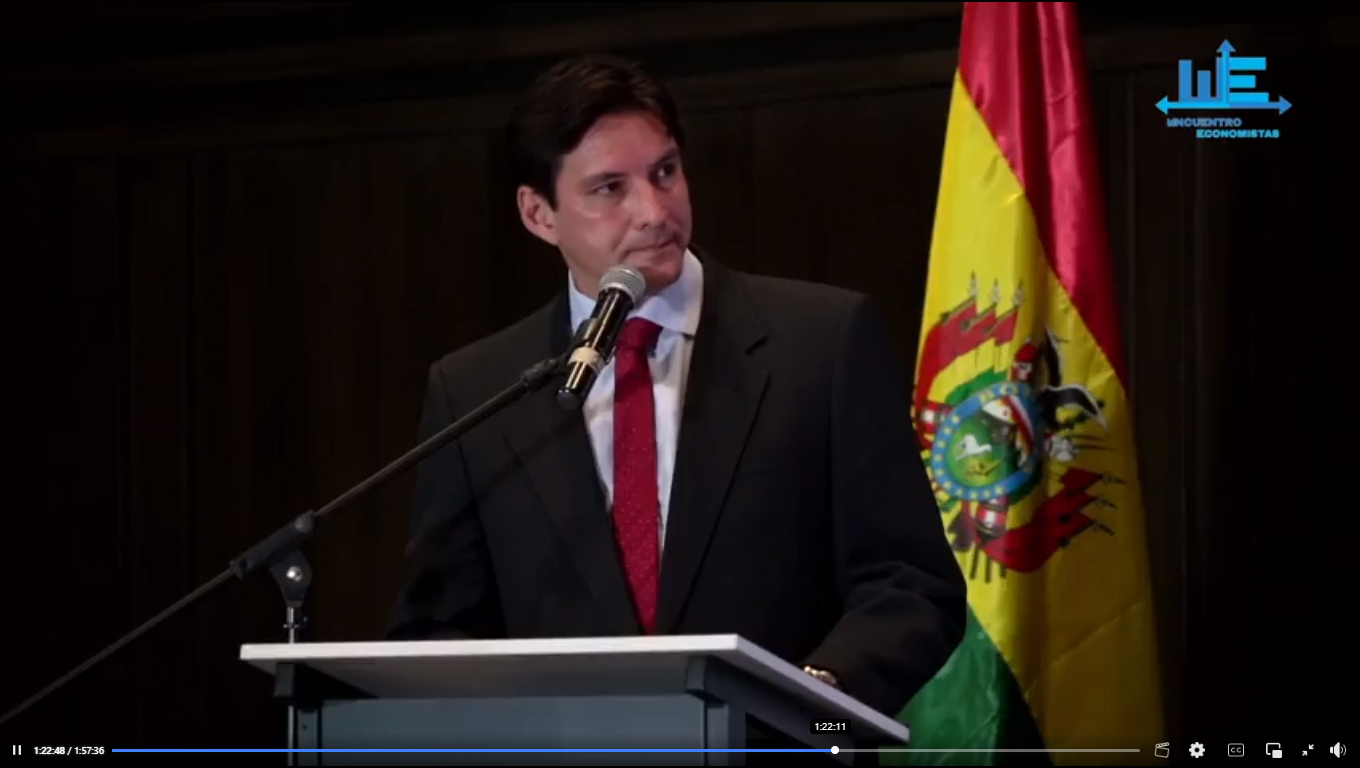
With the aim of reducing the fiscal deficit in the country’s economy, which for the current management will be 7.80% with respect to the Gross Domestic Product (GDP), economist Darío Monasterio proposes to apply a system of concession of works for the private sector and the closure of state-owned companies, which would save more than 10% of the general budget.
Monasterio argues that given the persistent fiscal deficit that the national economy has been experiencing for more than 10 years, a system of concessions for public investment to reduce expenses would be a very viable alternative.
On the other hand, José Luis Evia, as well as Omar Velasco, separately, agreed that greater prominence should be given to the private sector, but let the State apply the corresponding regulations.
The proposal starts from public-private partnerships to advance in a system of concessions to reduce expenses, pointed out Monasterio, and indicated that the proposal could only be implemented in 2025, since the current management is already underway.
At the “Economists’ Meeting,” organized by the Ciudad Humana Foundation last week, Fernando Romero, president of the College of Economists of Tarija, analyst José Luis Evia, Jaime Dunn, Omar Velasco, and Alberto Bonadona participated.
Opinion of Bolivian Thoughts: After more than 74 years of statism, it is difficult to find Bolivian economists who envision a future without the paternalistic presence of the state, whether from the right or the left. We must change paradigms if we want a better future!
Economista sostiene que permitirá reducir déficit fiscal
- El planteamiento parte de las alianzas público privadas para avanzar en un sistema de concesiones para reducir gastos, según Monasterio, y dijo que la propuesta recién se aplicaría el 2025. Asimismo, sostuvo que con el cierre de las empresas públicas nacionales y descentralizadas, se lograría reducir el déficit fiscal de 7,80 del PIB, en 2,21%.
Con la finalidad de reducir el déficit fiscal en la economía del país, que para la presente gestión será de 7,80% con respecto al Producto Interno Bruto (PIB), el economista Darío Monasterio plantea aplicar un sistema de concesión de obras para el sector privado y el cierre de empresas del Estado, cuyo ahorro alcanzaría a más de 10% del presupuesto general.
Monasterio sostiene que ante el permanente déficit fiscal que registra la economía nacional desde hace más de 10 años, un sistema de concesiones de la inversión pública para reducir los gastos sería una alternativa muy viable.
Por otro lado, José Luis Evia, así como Omar Velasco, por separado, coincidieron en que se debe dar mayor protagonismo al sector privado, pero dejar que el Estado aplique las regulaciones que correspondan.
El planteamiento parte de las alianzas público privadas para avanzar en un sistema de concesiones para reducir los gastos, apuntó Monasterio e indicó que la propuesta recién se podría aplicar en 2025, ya que la presente gestión ya está en marcha.
En el “Encuentro de Economistas”, organizado por la Fundación Ciudad Humana, la semana pasada, participaron Fernando Romero, presidente del Colegio de Economistas de Tarija, el analista José Luis Evia, Jaime Dunn, Omar Velasco y Alberto Bonadona.
Opinión de Bolivian Thoughts: Después de mas de 74 años de estatismo, es difícil encontrar economistas bolivianos que miren un futuro sin la presencia paternalista del estado, sea de derecha o izquierda. Debemos cambiar de paradigma si queremos un futuro mejor!


 Bolivian Thoughts | Pensamientos Bolivianos (Bilingual/Bilingüe)