
Editorial, El Dia:
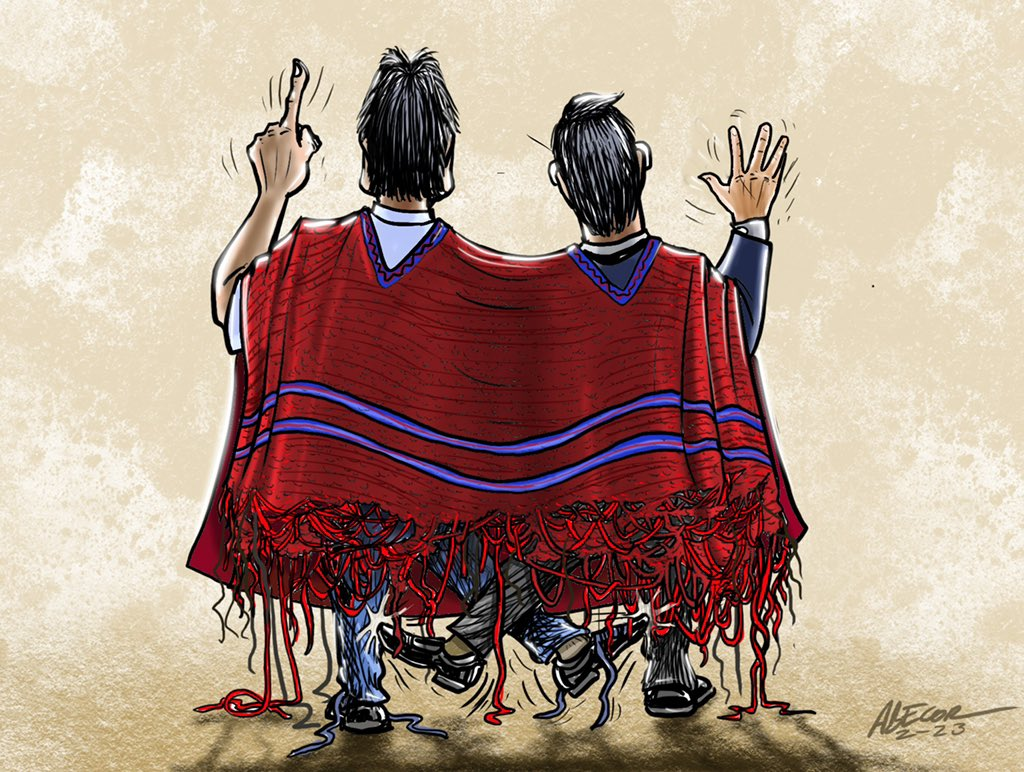
The country remains divided between those who consider that the MAS fight is a farce and those who think that there will be no way for reconciliation. Although well-known analysts and political scientists assure that the dispute is real and that it is “to the death”, politics is not an exact science and much less so in Bolivia, where “anything can happen.”
Naturally, there are only two hypotheses about the outcome of this war between two sides that already have names: “arcistas” versus “evistas.” The first is that the coca grower Morales wins and to do so he will have to go beyond justice and the constitution, as he already did in 2019, a fact that the Masistas themselves considered a serious mistake.
It is likely that a virtual candidacy by Morales will immediately calm the internal division, since neither Arce nor any of his followers have the warrior vocation and the interests so marked as to take this dispute to the final consequences. With the former president at the helm, they will not have the electoral strength to measure themselves with another acronym, as has been speculated.
The most counterproductive thing about Evo Morales is his apparent loss of popularity reflected in numerous surveys, the strong antibodies he has generated in various sectors, both internally and abroad, the unavoidable need to resort to fraud again and violate all legal precepts. to regain the presidency, which would turn him from the start into an illegitimate leader, if not a dictator, with all its letters.
If he becomes president, the internal currents of the party will be maintained, the quota of the government will be (as it has always been) the way to calm differences in a context of lack of financial resources to pay for loyalties, loss of management capacity and a confrontation with the opposition and with rebel regions that will persist and could intensify. The threat of chaos and instability is very great.
The second option seems to be the most viable. Luis Arce has the state’s wallet, which allows him to buy allies and muster the strength to boycott the coca grower’s efforts to regain his seat. The government has declared war on Chapare, is emptying the public administration of the evistas and seems comfortable with the judicial structure that has surely committed to blocking the way for Morales. On the other hand, there is a massive desertion in the party structure controlled by the former president, whose congress to be held in October has fewer and fewer adherents.
But no matter how much support Arce has and the very well-disguised approval of important international actors, including the United States, Evo Morales threatens to set the country on fire if he is not allowed to be a candidate. In this case, the forecast is also complicated and will require a much more open and pragmatic attitude from Arce. His current allies cannot guarantee him a victory in the streets over an opponent of that magnitude without things devolving into anarchy.
El país sigue dividido entre los que consideran que la pelea del MAS es una farsa y los que piensan que no habrá manera de reconciliación. Pese a que connotados analistas y politólogos aseguran que la disputa es real y que es “a muerte”, la política no es una ciencia exacta y mucho menos en Bolivia, donde “todo puede suceder”.
Naturalmente sólo hay dos hipótesis sobre el desenlace de esta guerra entre dos bandos que ya tienen nombres: “arcistas” versus “evistas”. La primera es que salga vencedor el cocalero Morales y para ello tendrá que pasar por encima de la justicia y la constitución, como ya lo hizo en 2019, hecho que los propios masistas consideraron un grave error.
Es probable que una virtual candidatura de Morales aplaque inmediatamente la división interna, pues ni Arce ni ninguno de sus seguidores tienen la vocación guerrera y los intereses tan marcados como para llevar hasta las últimas consecuencias esta disputa. Con el ex presidente a la cabeza tampoco tendrán la fuerza electoral como para medirse con otra sigla, como se ha venido especulando.
Lo más contraproducente de Evo Morales es su aparente pérdida de popularidad reflejada en numerosas encuestas, los fuertes anticuerpos que ha generado en diversos sectores, tanto internos como del exterior del país, la ineludible necesidad de recurrir al fraude otra vez y violar todos los preceptos legales para recobrar la presidencia, lo que lo convertiría de entrada en un mandatario ilegítimo, por no decir un dictador, con todas sus letras.
Si llega a ser presidente, se mantendrán las corrientes internas del partido, el cuoteo del gobierno será (como siempre ha sido) la manera de aplacar las diferencias en un contexto de falta de recursos financieros para costear las lealtades, pérdida de capacidad de gestión y un enfrentamiento con la oposición y con las regiones rebeldes que persistirá y podría intensificarse. La amenaza de caos e inestabilidad es muy grande.
La segunda opción parece ser la más viable. Luis Arce tiene la billetera del estado, que le permite comprar aliados y reunir la fuerza como para boicotear los esfuerzos del cocalero para recuperar su sillón. El gobierno le ha declarado la guerra al Chapare, está vaciando la administración pública de los evistas y luce cómodo con la estructura judicial que seguramente se ha comprometido a bloquearle el paso a Morales. Por otro lado, se está produciendo una deserción masiva en la estructura partidaria que controla el ex mandatario, cuyo congreso a celebrarse en octubre tiene cada vez menos adherentes.
Pero por más apoyo que tenga Arce y la muy bien disimulada venia de importantes actores internacionales, entre ellos la de Estados Unidos, Evo Morales amenaza con incendiar el país si no le permiten ser candidato. En este caso, el pronóstico también es complicado y requerirá de Arce una actitud muy más abierta y pragmática. Sus actuales aliados no le pueden asegurar una victoria en las calles sobre un opositor de esa envergadura sin que las cosas deriven en anarquía.

 Bolivian Thoughts | Pensamientos Bolivianos (Bilingual/Bilingüe)