
Editorial El Deber:
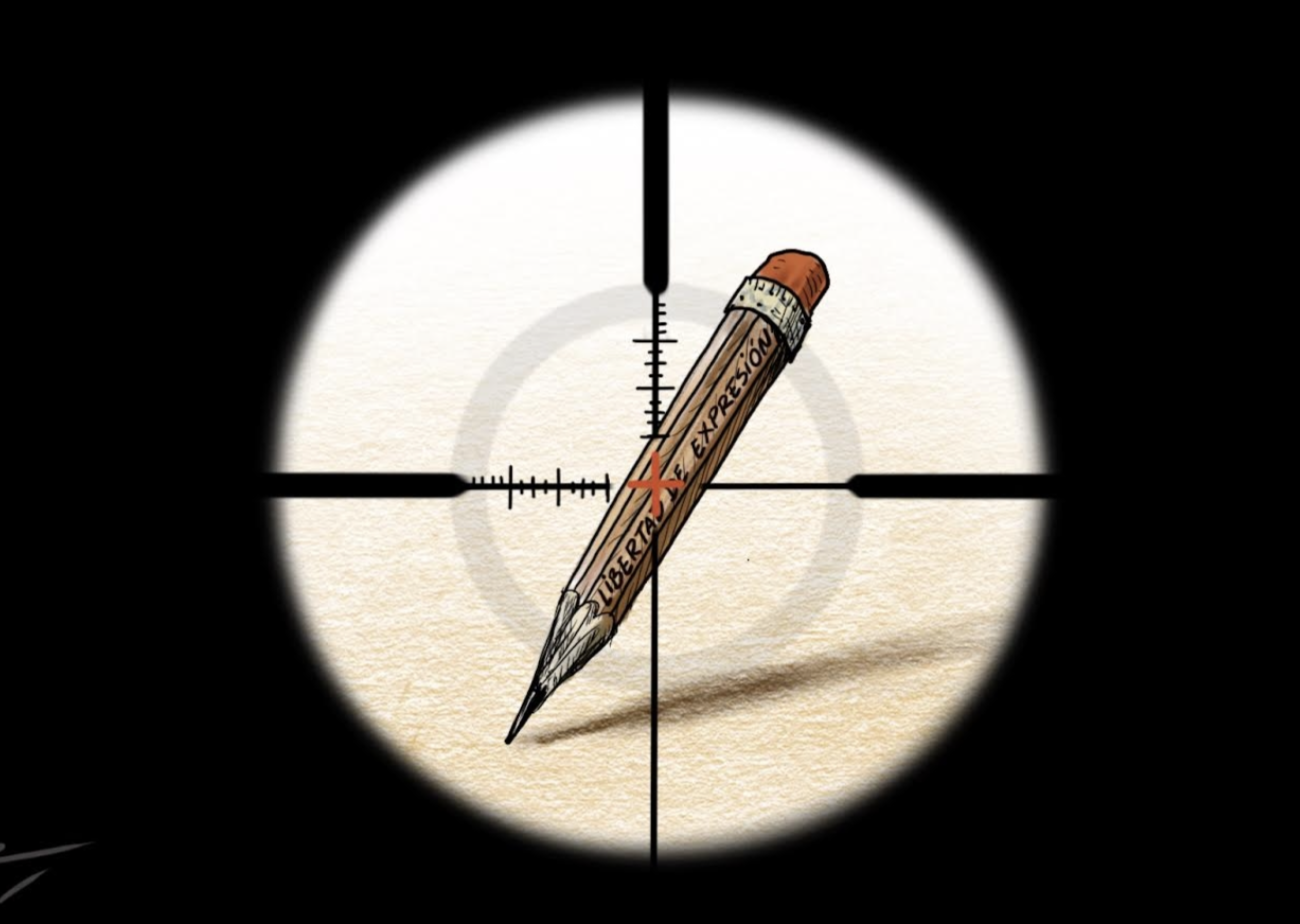
June 29 is marked in history as a disastrous day for journalism. Pagina Siete announced the end of its editions. This bad news opens a wound in Bolivian society, that a media outlet is forced to close is a blow to freedom and democracy.
The news was made official in a letter from the chairman of the board, Raúl Garafulic, who defined this circumstance as a “perfect storm”, in which external and common factors such as the pandemic or the rise in the price of inputs with the war in Ukraine intervened. . But the country’s internal factors gravitated much more, which are synthesized in political pressure in the face of a free and uncomfortable environment for power.
The published text states that “the government party systematically blocked the advertising schedule for the newspaper and even pressured private companies in the financial system not to publish their ads on Página Siete.”
In addition, it refers to audits and recurring fines from State institutions against this media outlet, while other media related to the Government were treated with a white glove.
Raúl Garafulic also talks about public harassment through social networks, which goes unpunished. And he mentions that there was judicial harassment that ended with the freezing of the accounts of the president of the board of directors of this media outlet.
The problems detailed in that farewell note are not just from Página Siete, but from almost all the independent media in the country. Restrictions on the advertising schedule, tax harassment, harassment of digital warriors in social networks, direct attacks from power and much more are a reality in an unbalanced conduct on the part of the Government that, on the other hand, privileges the genuflecting and functional media over their interests, giving them millions of Bolivians in publicity, whether or not they have an audience.
The bad news about the end of the editions of Página Siete should be a wake-up call for society. The person who loses the most is the citizen, who is left without the option of diversity of information and the search for the truth. It is not just another fact or a circumstance that should not be paid attention to. Free journalism is committed to the community and needs the community to continue to exist.
Bolivian entrepreneurs and businessmen also need to reflect. Just as independent media cover their struggles and their successes, so too should they support business initiatives that only seek to save press freedom.
Faced with this scenario, the political powers should not be fooled, because freedom of opinion, expression and the press also allows the various tendencies and currents to make their positions and complaints known. The other, totalitarianism, is a kind of prison for free ideas and causes separatism and violence, the most pressing evils in the country at this time.
Democracy is not healthy without a medium that is capable of uncovering the facts of corruption, asking for answers, and demanding that public servants be held accountable for their actions or omissions. That an independent media stop circulating in the country is a severe blow to freedom and fundamental rights. You have to realize now, later may be too late, as it has been in Cuba, Venezuela, Nicaragua and now in some Central American countries.
El 29 de junio queda marcado en la historia como un día nefasto para el periodismo. Página Siete anunció el final de sus ediciones. Esta mala noticia abre una herida en la sociedad boliviana, que un medio esté obligado a cerrar es un golpe a la libertad y a la democracia.
La noticia fue oficializada en una carta del presidente del directorio, Raúl Garafulic, quien definió esta circunstancia como una “tormenta perfecta”, en la que intervinieron factores externos y comunes como la pandemia o la elevación del precio de los insumos con la guerra en Ucrania. Pero gravitaron mucho más los factores internos del país, que se sintetizan en la presión política frente a un medio libre e incómodo para el poder.
El texto publicado señala que “el partido de Gobierno bloqueó sistemáticamente la pauta publicitaria para el periódico y que incluso presionó a empresas privadas del sistema financiero para que no publiquen sus avisos en Página Siete”.
Además, refiere auditorías y multas recurrentes de instituciones del Estado contra este medio de comunicación, mientras que otros medios afines al Gobierno eran tratados con guante blanco.
Raúl Garafulic habla también de hostigamiento público a través de redes sociales, que está impune. Y menciona que hubo acoso judicial que terminó con el congelamiento de las cuentas del presidente del directorio de este medio de comunicación.
Los problemas detallados en esa nota de despedida no son apenas de Página Siete, sino de casi todos los medios independientes del país. Restricciones en la pauta publicitaria, acoso tributario, hostigamiento de guerreros digitales en las redes sociales, ataques directos desde el poder y mucho más son una realidad en una conducta desequilibrada de parte del Gobierno que, en cambio, privilegia a los medios genuflexos y funcionales a sus intereses, otorgándoles millones de bolivianos en publicidad, tengan o no tengan audiencia.
La mala noticia del final de ediciones de Página Siete debe ser un llamado de atención para la sociedad. Quien más pierde es el ciudadano, que se queda sin la opción de la diversidad informativa y de la búsqueda de la verdad. No es un hecho más ni una circunstancia a la que no hay que prestar atención. El periodismo libre está comprometido con la comunidad y necesita de la comunidad para seguir existiendo.
Es preciso que también reflexionen los emprendedores y los empresarios bolivianos. Así como los medios independientes dan cobertura a sus dificultades y a sus aciertos, así también deben respaldar las iniciativas de negocios que solo buscan salvar la libertad de prensa.
Frente a este escenario, que el poder político no se engañe, porque la libertad de opinión, de expresión y de prensa también permite que las diversas tendencias y corrientes puedan dar a conocer sus posiciones y denuncias. Lo otro, el totalitarismo, es una suerte de prisión para las ideas libres y causa separatismo y violencia, los males más acuciantes del país en este momento.
La democracia no es saludable sin un medio que sea capaz de destapar los hechos de corrupción, de pedir respuestas y exigir que los servidores públicos rindan cuentas de sus acciones u omisiones. Que un medio independiente deje de circular en el país es un duro golpe a la libertad y a derechos fundamentales. Hay que darse cuenta ahora, más tarde puede ser demasiado tarde, como ha sido en Cuba, Venezuela, Nicaragua y ahora en algunos países de Centroamérica.
https://eldeber.com.bo/edicion-impresa/en-defensa-del-periodismo-independiente_330612

 Bolivian Thoughts | Pensamientos Bolivianos (Bilingual/Bilingüe)