
Oliver Balch, PositiveNews:
The fine-dining restaurant that serves only Indigenous cuisine
El restaurante de alta cocina que sólo sirve cocina indígena
Bolivia no es conocida por su cocina, pero la chef Marsia Taha está cambiando eso con su galardonado restaurante que solo sirve ingredientes bolivianos obtenidos en viajes a las profundidades del Amazonas. Al celebrar la comida de los 36 grupos indígenas del país, les brinda nuevas fuentes de ingresos y orgullo cultural
Marsia Taha disfruta experimentando. ¿Su plato actual de elección? Capas de palmito fresco con reducción de vinagre de plátano. El mes pasado, fue paiche (un pez nativo del Amazonas, de hasta tres metros de largo) con aguaymanto. El próximo mes, ella no lo sabe. ¿Helado con flores de kiswara andino, tal vez?
Lo maravilloso de ser una cocinera que se especializa en comidas nativas es la variedad constante, dice Taha, de 34 años, era estudiante de química de La Paz, Bolivia, y ahora jefa de cocina, pionera apasionada por darle a la cocina indígena un giro de toque moderno.
“Dos o tres años después de que comencé como chef, pensé: ‘Está bien, ya sé lo que Bolivia tiene para ofrecer en cuanto a gastronomía’”, reflexiona. “Pero con el tiempo he llegado a ver que es prácticamente infinito. Todo el tiempo estoy descubriendo nuevas plantas, frutas, tubérculos”.
Nacida en Palestina pero criada en la capital boliviana desde temprana edad, Taha ejerce su oficio en las cocinas de Gustu, un restaurante de alta cocina creado por el restaurador danés Claus Meyer hace una década.
Apasionada por los colores y aromas de los vibrantes mercados de alimentos de Bolivia desde temprana edad, Taha no tardó mucho en darse cuenta de que su futuro no estaba en el laboratorio de química.
Aunque su ascenso a la cima ha sido rápido, aprendió a la vieja usanza: primero en el aula, luego en los fogones de las cocinas profesionales de toda Europa, incluidos Geist y The Standard, dos de los restaurantes más llamativos de Copenhague.
Cada grupo indígena tiene sus propias formas ancestrales de cocinar estos alimentos que se remontan a la época prehispánica
Pero su pasión siempre fue la cocina de su tierra natal. Entonces, cuando se enteró del plan de Meyer para un proyecto de restaurante en su ciudad natal, se subió a un avión. Sus jefes detectaron rápidamente su destello creativo y la ascendieron de sous chef al puesto más alto en cuatro años.
Ser capaz de distinguir su chiffonade de su concasse sin duda contribuye a su éxito. Bajo su tutela, Gustu (que trabaja 100 por ciento con ingredientes bolivianos) ha llegado constantemente a la prestigiosa lista de los 50 mejores restaurantes de América Latina, el único restaurante en el país que lo hace.
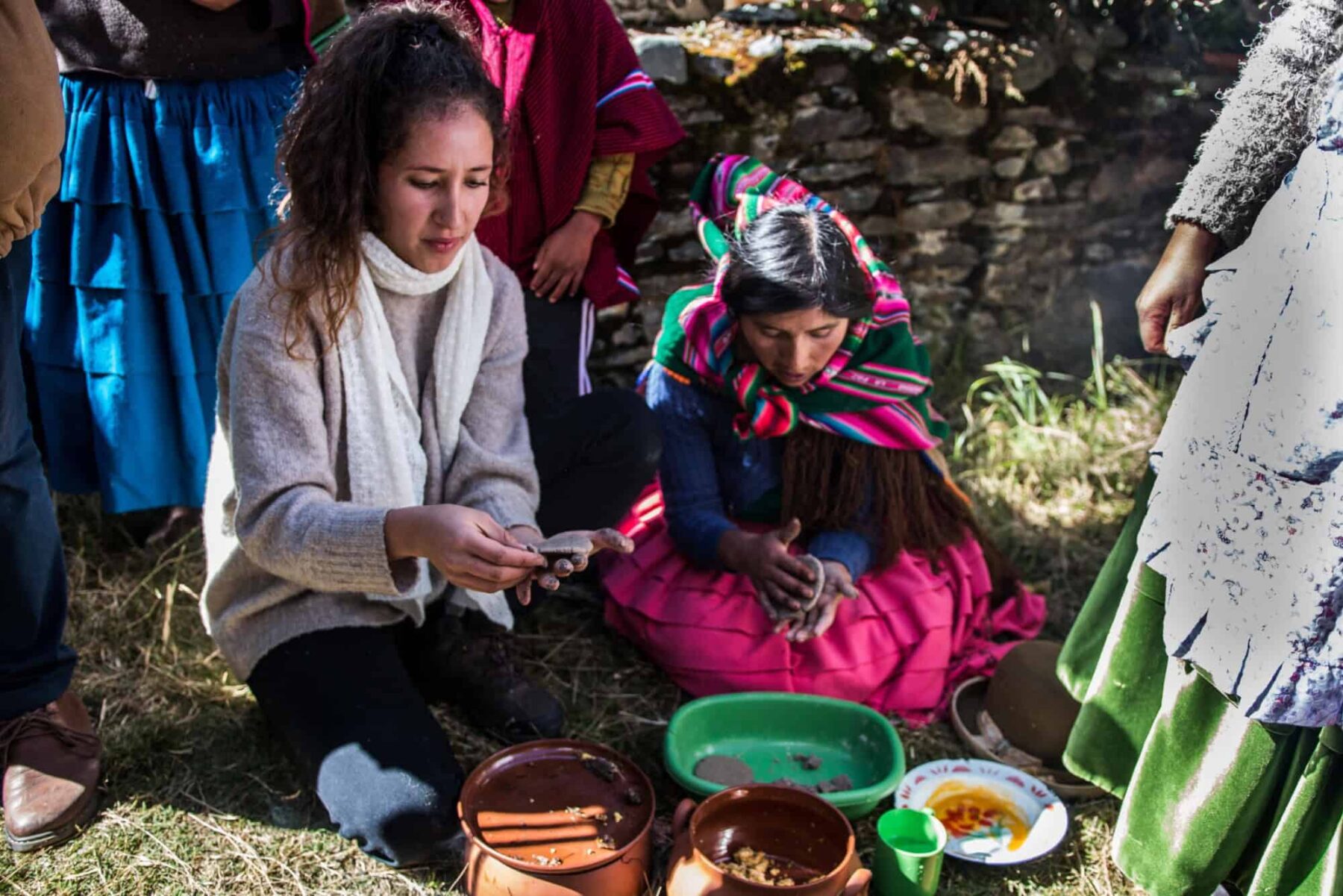
Pero son los hábitos alimenticios de sus compatriotas bolivianos lo que realmente le interesa. Bolivia cuenta con 36 grupos indígenas reconocidos, señala Taha, cada uno de los cuales tiene sus propios alimentos específicos. “Cada uno tiene también sus propias formas ancestrales de cocinar y preparar estos alimentos que se remontan a la época prehispánica”.
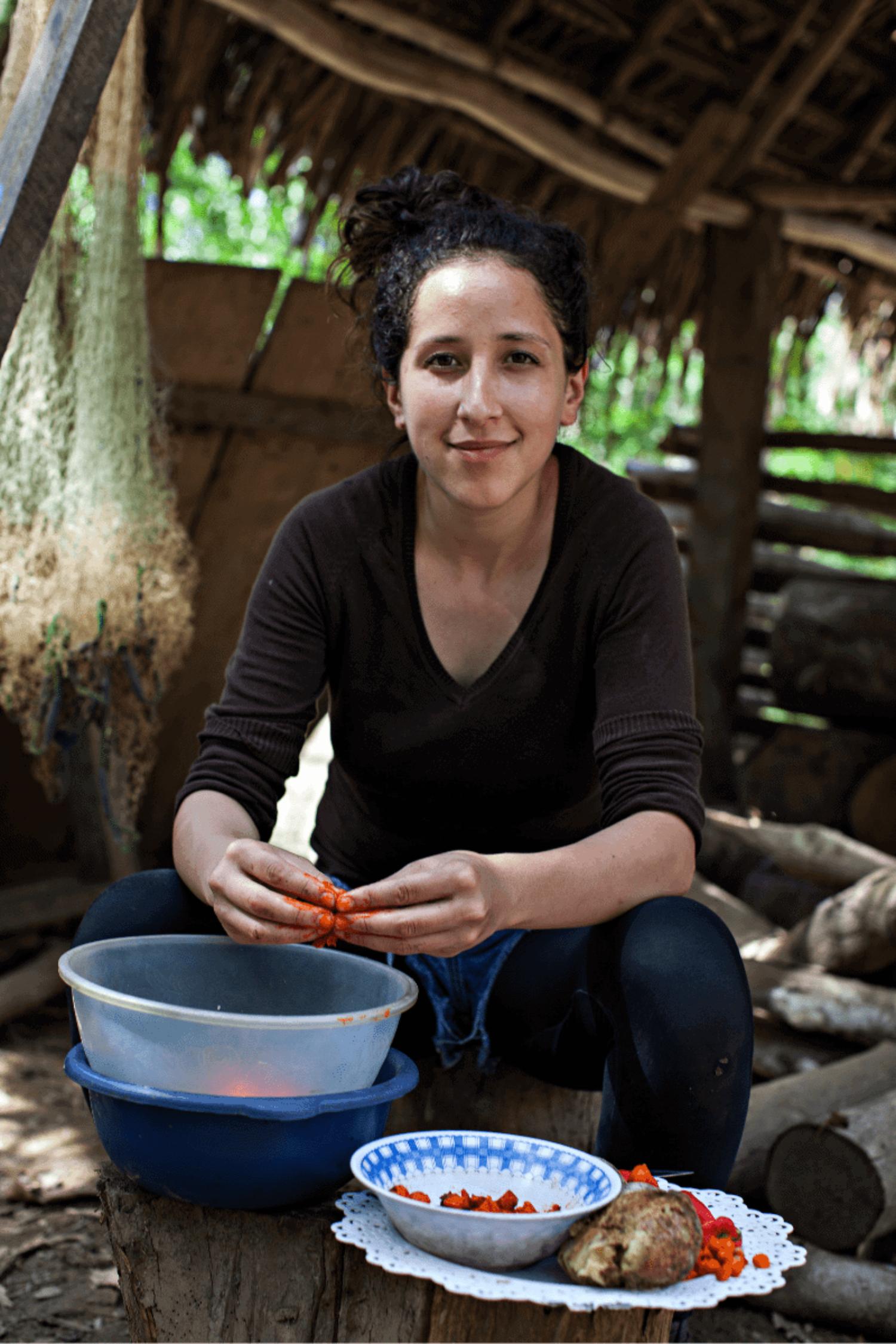
Taha defiende el legado culinario de las comunidades indígenas. Imagen: Patricia Crocker y Christian Gutiérrez
Defender este legado cultural es lo que la impulsa. En un país tan diverso desde el punto de vista étnico, lingüístico y espiritual como Bolivia, la comida está intrínsecamente ligada a todos los aspectos de la vida y la identidad de las personas, desde lo doméstico hasta lo ceremonial.
Taha cree firmemente que el acto de preservar y celebrar las cocinas indígenas sirve como vehículo para reconocer y ‘revalorizar’ (dar nueva importancia a) las culturas tradicionales de las que se derivan estas cocinas.
El problema es que se registra muy poco del patrimonio gastronómico milenario de Bolivia. No existen versiones en aimara o quechua del Libro de cocina Good Housekeeping, por ejemplo.
Su solución: ir e investigar por sí misma. La mayoría de los grupos indígenas de Bolivia son heraldos de la Amazonía, así que ahí es donde comenzó. Desde 2018, ha viajado media docena de veces a lo profundo de la selva tropical del país en busca de delicias gastronómicas.
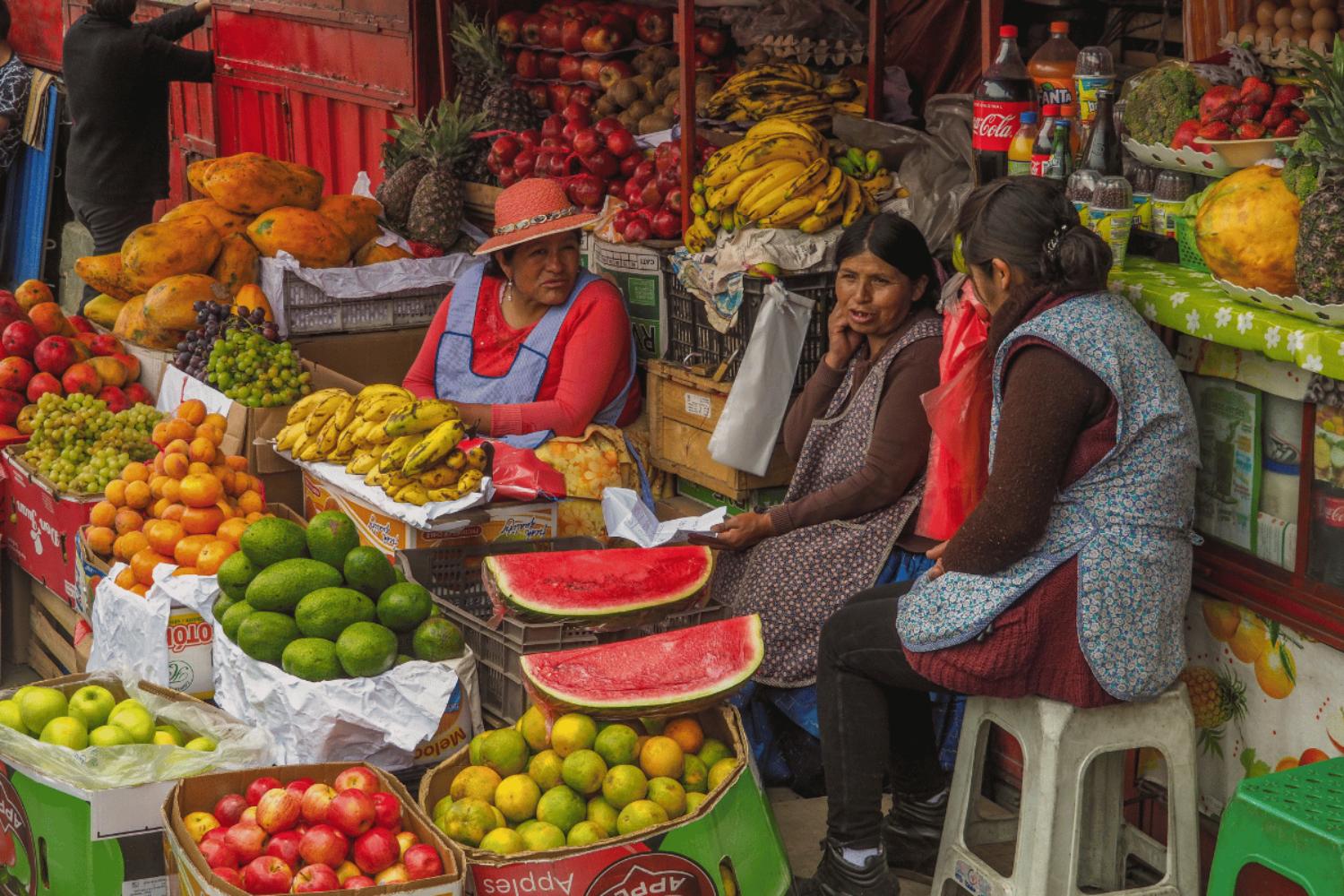
Bolivia reconoce 36 grupos indígenas, y cada grupo tiene su cocina única. Imagen: Lesly Derksen
“Siempre es una experiencia increíble”, dice ella. Imagina cazar caimanes en un pequeño bote a medianoche, la única luz son los rayos de la luna y el blanco de los ojos de tu presa. “Parecen semidormidos cuando los atrapas”, recuerda, “pero en cualquier momento pueden atacarte”.
Ella no va sola. Los viajes de investigación a la jungla se organizan en conjunto con la organización benéfica de conservación Wildlife Conservation Society; traen a los biólogos, botánicos y antropólogos; Taha trae a los chefs.
“Las culturas indígenas de Bolivia están muy vivas y podemos ayudar a mantenerlas así a través de lo que hacemos a través de nuestros chefs y en nuestros restaurantes… pero primero debemos aprender más sobre ellas”, explica.
El segundo paso es volver a su cocina y defender lo que ha aprendido. A Taha le gusta mezclar lo antiguo con lo moderno. Piense en yacare crudo (caimán) con chipilo (chips de mandioca), por ejemplo, o un plato de kimchi de pera y cerdo.
Todo el tiempo estoy descubriendo nuevas plantas, frutas, tubérculos
Más allá de su propia cocina, Taha y sus colegas de Gustu también buscan oportunidades para apoyar a las comunidades indígenas de las que obtienen los ingredientes. Una forma de hacerlo es conectarlos con la floreciente escena gastronómica de La Paz y redes más amplias de comercio justo.
Dichos vínculos no solo ayudan a aumentar los ingresos de estas comunidades, sino que también les da un gran orgullo ver que sus tradiciones culinarias tienen un valor de mercado, agrega Taha. Por lo mismo, está ansiosa por que prueben sus creaciones culinarias siempre que sea posible.
“En parte, quiero que vean qué es lo que hacemos con los alimentos que nos proporcionan”, dice. “Pero sobre todo me encanta el orgullo que les da ver a la gente gastar buen dinero en su cocina casera”.
Imagen principal: Patricia Crocker y Christian Gutierrez
The fine-dining restaurant that serves only Indigenous cuisine
Bolivia isn’t known for its cuisine, but chef Marsia Taha is changing that with her award winning restaurant that serves only Bolivian ingredients sourced on trips deep into the Amazon. By celebrating the fare of the country’s 36 Indigenous groups, she is bringing them new income streams and cultural pride
Marsia Taha revels in experimenting. Her current dish of choice? Fresh palm heart layers with a reduction of plátano (plantain) vinegar. Last month, it was paiche (a fish native to the Amazon, up to three metres in length) with goldenberry. Next month, she doesn’t know. Ice cream with Andean kiswara flowers, perhaps?
The wonderful thing about being a cook who specialises in native foods is the constant variety, says 34-year-old Taha, a one-time chemistry student from La Paz, Bolivia, and now a pioneering head chef passionate about giving Indigenous cuisine a modern twist.
“Two or three years after I started as a chef, I thought, ‘Okay, I pretty much know what Bolivia has to offer gastronomy-wise,’” she reflects. “But over time I’ve come to see it’s pretty much infinite. All the time, I’m discovering new plants, fruits, tubers.”
Born in Palestine but raised in the Bolivian capital from an early age, Taha plies her trade in the kitchens of Gustu, a fine-dining restaurant set up by Danish restaurateur Claus Meyer a decade ago.
Passionate about the colours and aromas of Bolivia’s vibrant food markets from an early age, it didn’t take Taha long to realise her future didn’t lie in the chemistry laboratory.
Although her rise to the top has been rapid, she learned the old-school way: first in the classroom, then at the hobs of professional kitchens across Europe, including Geist and The Standard, two of Copenhagen’s flashiest restaurants.
Every Indigenous group has its own ancestral ways of cooking these foods that date back to pre-Hispanic times
But her passion was always for the cuisine of her homeland. So, when she got word of Meyer’s plan for a restaurant project in her home city, she jumped on a plane. Her bosses quickly spotted her creative flare, promoting her from sous chef to the top job in four years.
Being able to tell her chiffonade from her concasse certainly contributes to her success. Under her tutelage, Gustu (which works 100 per cent with Bolivian ingredients) has consistently made it onto the prestigious Latin America’s 50 Best Restaurants list – the only restaurant in the country to do so.
But it’s the eating habits of her fellow Bolivians that really interests her. Bolivia counts 36 recognised Indigenous groups, Taha notes, each of which has its own specific foods. “Each also has its own ancestral ways of cooking and preparing these foodstuffs that date back to pre-Hispanic times.”
Taha champions the culinary legacy of Indigenous communities. Image: Patricia Crocker and Christian Gutierrez
Championing this cultural legacy is what drives her. In a country as ethnically, linguistically, and spiritually diverse as Bolivia, food is intrinsically tied up with all aspects of people’s lives and identities – from the domestic to the ceremonial.
Taha is a firm believer that the act of preserving and celebrating Indigenous cuisines serves as a vehicle for recognising and ‘revalorizando’ (giving new importance to) the traditional cultures from which these cuisines derive.
The problem is that precious little of Bolivia’s age-old gastronomic heritage is recorded. There are no Aymaran or Quechuan versions of the Good Housekeeping Cookery Book, for instance.
Her solution: to go and investigate for herself. The majority of Bolivia’s Indigenous groups herald from the Amazon, so that’s where she started. Since 2018, she has travelled half a dozen times deep into the country’s rainforest in search of gastronomic treats.
Bolivia recognises 36 Indigenous groups, and each group has its unique cuisine. Image: Lesly Derksen
“It’s always an incredible experience,” she says. Imagine hunting for alligators in a small boat at midnight, the only light the rays of the moon and the whites of your prey’s eyes. “They seem semi asleep when you catch them,” she recalls, “but at any moment they can attack you.”
She doesn’t go alone. The jungle research trips are organised in conjunction with conservation charity Wildlife Conservation Society; they bring the biologists, botanists and anthropologists; Taha brings the chefs.
“Bolivia’s Indigenous cultures are very much alive and we can help keep them that way through what we do through our chefs and in our restaurants … but first we must learn more about them,” she explains.
Step two is to return to her kitchen and champion what she has learned. Taha likes to mix the ancient with the modern. Think raw yacare (caiman) with chipilo (manioc chips), say, or a plate of pork and pear kimchi.
All the time, I’m discovering new plants, fruits, tubers
Beyond her own kitchen, Taha and her Gustu colleagues also look for opportunities to support the Indigenous communities that they source ingredients from. One way to do that is connecting them with La Paz’s burgeoning gastro scene and wider fair-trade networks.
Not only do such links help increase incomes for these communities but it also gives them great pride to see that their culinary traditions have a market value, Taha adds. For the same reason, she is anxious for them to try out her culinary creations whenever possible.
“Partly, I want them to see what it is we do with the foodstuffs they provide us with,” she says. “But mostly I love the pride it gives them to see people spending good money on their home cuisine.”
Main image: Patricia Crocker and Christian Gutierrez
https://www.positive.news/society/the-fine-dining-restaurant-that-serves-only-indigenous-cuisine/

 Bolivian Thoughts | Pensamientos Bolivianos (Bilingual/Bilingüe)