By Erbol:
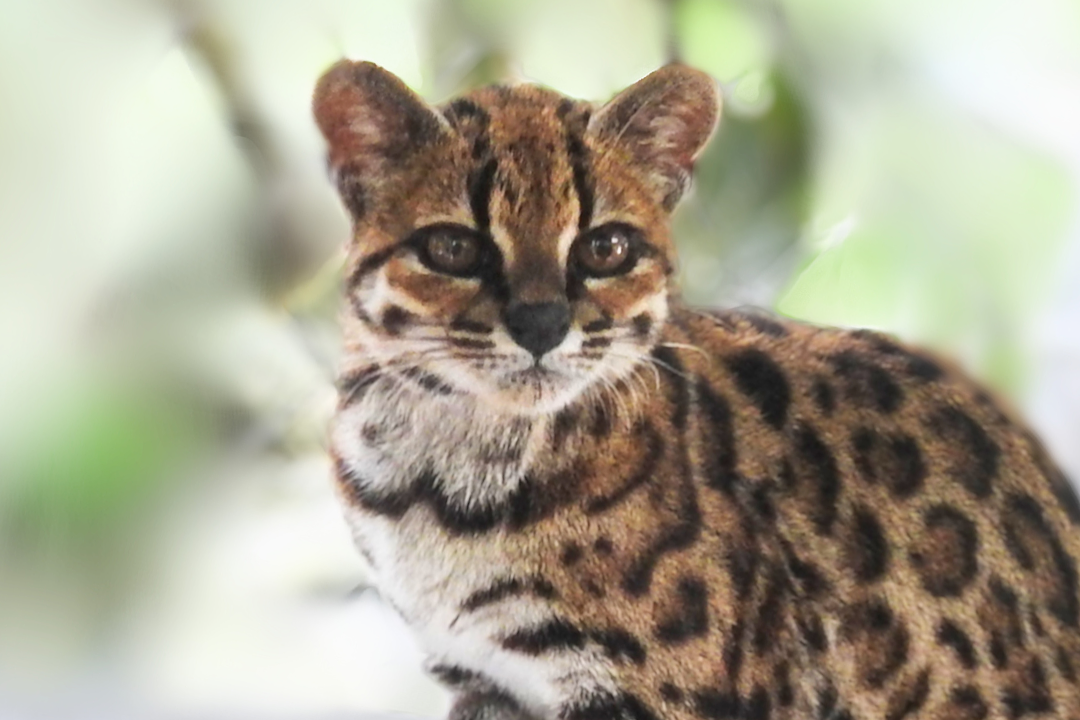
The Leopardus tilcayo is housed at the Senda Verde refuge. Photo: Paola Nogales
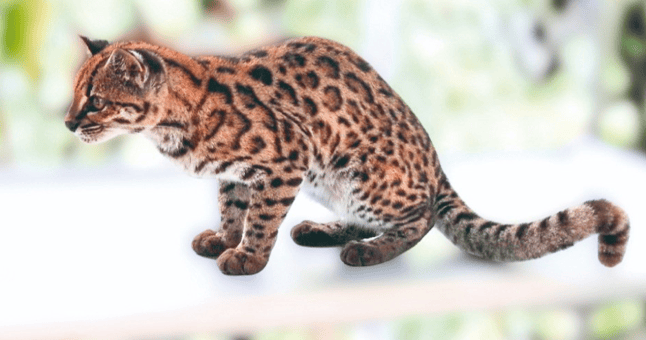
The Leopardus tilcayo, the new wild feline species identified in Bolivia, faces potential threats such as habitat destruction caused by gold mining and capture for use as a pet, biologist Enzo Aliaga, a member of the team that made the discovery, told ERBOL.
He warned that both legal and illegal gold mining pollute rivers with mercury and destroy forest areas using heavy machinery. Although he did not identify any confirmed direct harm to the tilcayo, he explained the effects of these activities on the ecosystems of the Yungas.
Another threat is the keeping of wild animals as pets, which involves capturing them and keeping them in homes. Aliaga noted that obtaining a cub may involve killing its mother, while animals kept in captivity risk malnutrition, disease, and even death.
“The forest is the tilcayo’s home,” the biologist emphasized, urging people not to turn these felines into pets. As an example, he explained that the specimen studied by his team has been in captivity for years and is accustomed to human contact, making him consider it unlikely that the animal could survive if released.
The researcher noted that no formal studies have yet been conducted to determine how many tilcayos live in the wild or establish their full distribution. He therefore proposed expanding research and strengthening habitat protection, particularly in areas such as Cotapata National Park, where the species is believed to be present. ///kmgEl
Por Erbol:
El Leopardus tilcayo se encuentra en el refugio Senda Verde. Foto: Paola Nogales
El Leopardus tilcayo, la nueva especie de felino silvestre identificada en Bolivia, enfrenta amenazas potenciales como la destrucción de su hábitat por la minería aurífera y su captura para tenerlo como mascota, advirtió a ERBOL el biólogo Enzo Aliaga, integrante del equipo que realizó el descubrimiento.
Alertó que la minería aurífera, legal e ilegal, provoca contaminación de los ríos con mercurio y destruye sectores de bosque mediante maquinaria pesada. Aunque no señaló daños directos comprobados sobre el tilcayo, explicó sobre los efectos de estas actividades en los ecosistemas de los Yungas.
Otra amenaza es el mascotismo, es decir, la captura de animales silvestres para mantenerlos en viviendas. Aliaga señaló que, para obtener una cría, pueden matar a la madre y que los animales en cautiverio corren el riesgo de sufrir desnutrición, enfermedades e incluso morir.
“La casa del tilcayo es el bosque”, remarcó el biólogo, quien pidió evitar que estos felinos sean convertidos en mascotas. Como ejemplo, explicó que el ejemplar estudiado por su equipo permanece en cautiverio desde hace años y está acostumbrado al contacto humano, por lo que considera poco probable que pueda sobrevivir si es liberado.
El investigador señaló que todavía no existen estudios formales que permitan determinar cuántos tilcayos viven en estado silvestre ni establecer toda su distribución. Por ello, planteó ampliar las investigaciones y fortalecer la protección de su hábitat, especialmente en zonas como el Parque Nacional Cotapata, donde se presume la presencia de la especie. ///kmg
https://erbol.com.bo/medio-ambiente/¿cuáles-son-las-principales-amenazas-para-el-tilcayo-en-bolivia


Leave a Reply