By Erbol:
Conserva Aves to Launch Second Phase in Bolivia in 2027 With “Millions of Dollars” Available

ENVIRONMENTAL NEWS AGENCY
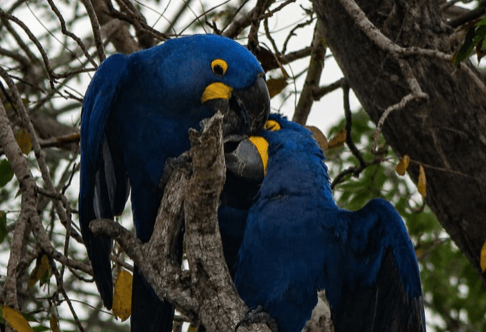
Bolivia boasts enormous bird diversity, ranking sixth worldwide and first among landlocked countries. Against this backdrop, Alfonso Hernández, coordinator of the Western Hemisphere initiative Conserva Aves for BirdLife Americas, announced that the program’s second phase will be implemented in Bolivia beginning in 2027, with millions of dollars available for this purpose.
“We are still in the negotiation phase, working to secure resources for the next phase. It must be a significant investment; we are talking about millions, of course, because we are dealing with hundreds of thousands of hectares that are critical to biodiversity. The scale of the work we intend to undertake is therefore also in the millions, so that sufficient resources are available to address the core needs of these sites, both in terms of management and long-term sustainability,” he said in an interview with ANA.
Conserva Aves operates in nine countries, from Mexico to Chile, through a network of more than 100 organizations that have been working together for five years. In Bolivia, its implementing partners include the Foundation for the Development of the National System of Protected Areas (Fundesnap) and the Armonía Association, as well as community-based organizations.
Focus on Protected Areas
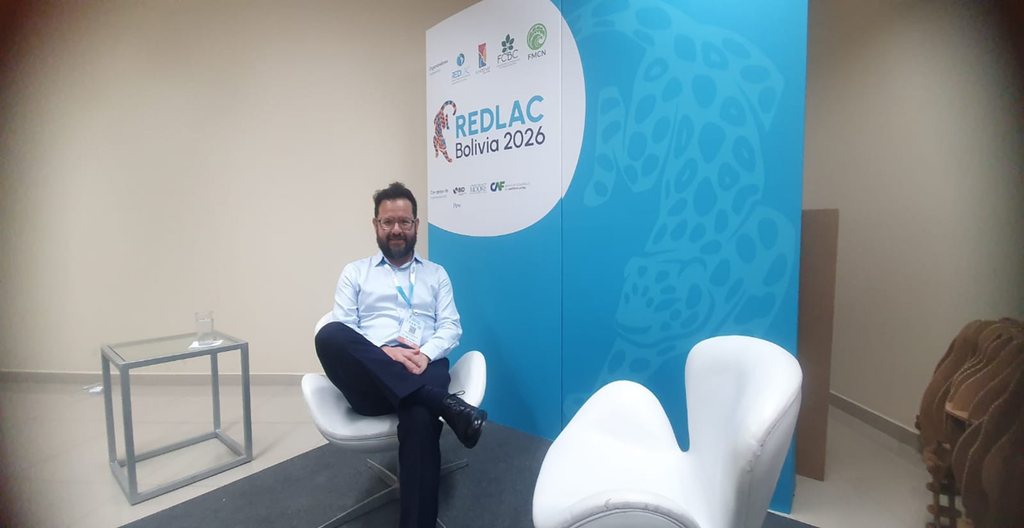
Hernández, who arrived in Bolivia to participate in the 28th Congress of the Latin American and Caribbean Network of Environmental Funds (RedLAC), held in the city of Santa Cruz, highlighted the country’s importance for bird conservation, including endemic and migratory species.
The 2023–2026 implementation phase of the Conserva Aves initiative in Bolivia has concluded, with more than 700,000 hectares declared subnational protected areas and prospects of approaching one million hectares in the coming months.
“Our goal is to work with communities, community-based organizations, and NGOs to create and expand conserved or subnational protected areas, particularly in places that are key to birds, including resident, threatened, and migratory species. That is our focus,” he emphasized.
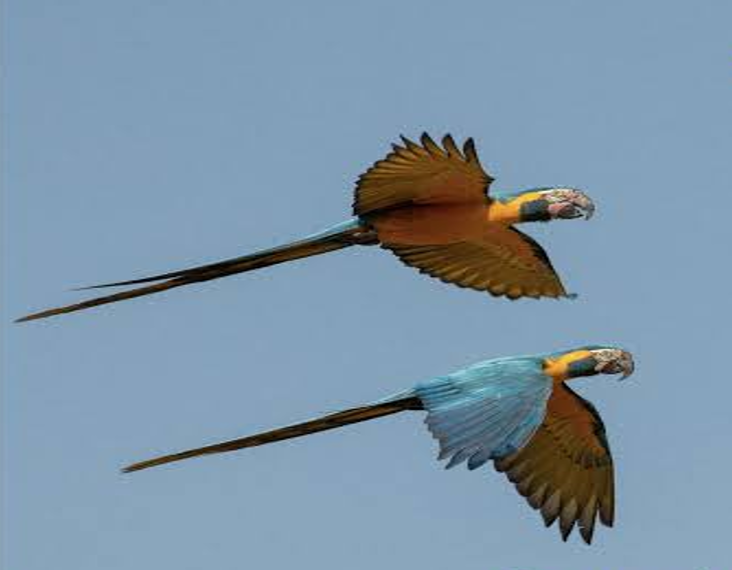
Around 43% of all South American bird species inhabit Bolivia, which is home to at least 16 species found nowhere else in the world. Regarding macaws, Bolivia hosts 12 species, the highest concentration of this group in a single country.
Second Phase in Bolivia Starting in 2027
Regarding the funding to be invested in Bolivia from 2027 onward, Hernández pledged to provide further information as soon as it becomes available. He emphasized that this second stage of bird conservation will require substantial financial resources, given the vast geographical areas and ecological zones that need to be addressed.
Birdwatching Tourism
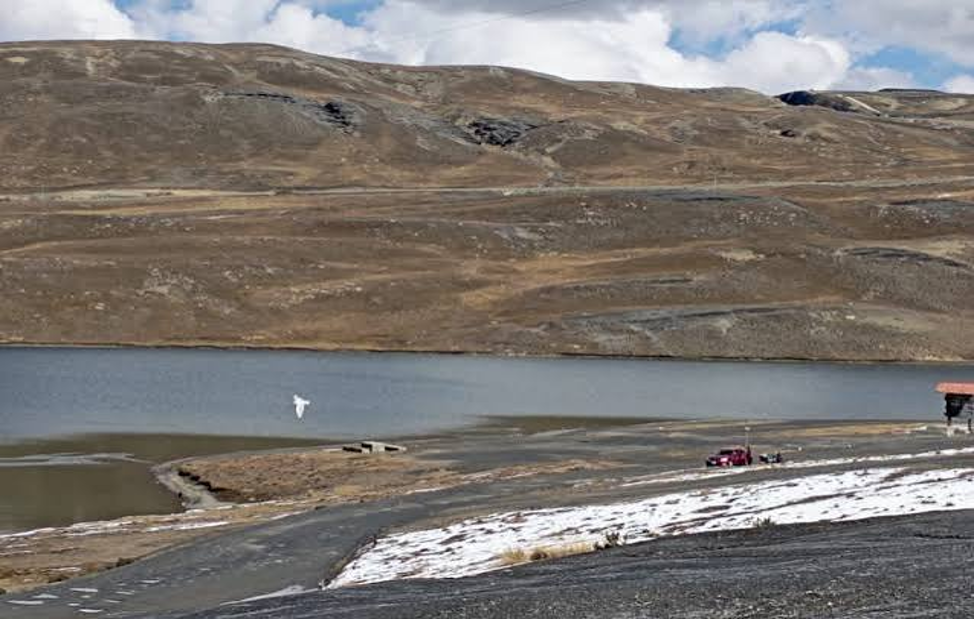
Hernández also emphasized the development of birdwatching tourism in Bolivia, noting that the country has enormous potential for this activity in protected areas, communities, green spaces, and other locations. Also known as ornithological tourism or birdwatching, this activity involves traveling to observe and identify wild birds in their natural habitats.
“Birdwatching tourism has become an alternative source of financial sustainability for many of the areas where we work in different countries. And certainly, as you mentioned, in Bolivia this is still an issue that needs to be addressed. It is something we want to tackle in the second phase of Conserva Aves. The first phase has lasted five years and is now coming to a close. We are very pleased because we are also securing a second phase, which will begin next year. One of the central issues will be financial sustainability in these areas, along with effective management. That is the direction we want to take, and birdwatching tourism will undoubtedly be one of the financial mechanisms under consideration.”
“Make Conservation a Greater Incentive”
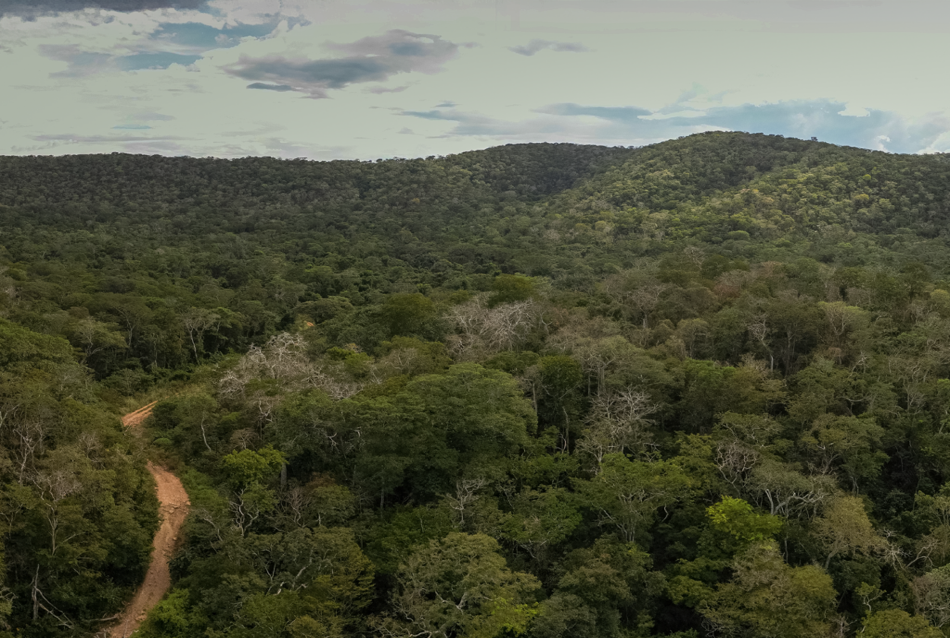
While effective management of conservation areas is the first pillar of Conserva Aves’ activities, the second focuses on financial sustainability in these spaces. Hernández stressed the importance of making conservation economically rewarding so that protected areas do not fall victim to destructive activities. In other words, conservation itself must offer the strongest incentive.
“But there is also a second, extremely important pillar: financial sustainability. We need to create financial mechanisms and economic incentives that allow these areas to endure over time, ensuring that deforestation, for example, does not offer a greater incentive than conservation. Conservation must become an even greater incentive. To achieve this, we need to work with environmental funds.”
Por ANA, Erbol:
Conserva Aves implementará segunda fase en Bolivia a partir de 2027 con “millones de dólares” disponibles
AGENCIA DE NOTICIAS AMBIENTALES
Bolivia tiene una enorme riqueza en diversidad de aves pues ocupa el sexto lugar a nivel mundial y el primer lugar entre los países sin acceso al mar. En ese marco, la iniciativa hemisférica Alfonso Hernández Ríos, coordinador de la iniciativa Conserva Aves para BirdLife Americas, anunció la implementación de la segunda fase del programa en el país a partir de 2027, para lo cual se cuenta con millones de dólares disponibles.
“Todavía estamos en la fase de negociaciones, estamos en la fase de asegurar los recursos para la siguiente fase, tiene que ser una inversión significativa, tenemos que hablar de millones, por supuesto, porque estamos cientos de miles de hectáreas críticas para la biodiversidad; entonces la escala que estamos queriendo trabajar es de los millones también para justamente que el recurso sea suficiente para atender las necesidades, al menos las nucleares, tanto para el manejo, como para el manejo como para la sostenibilidad de estos sitios”, dijo en entrevista con ANA.
Conserva Aves trabaja en nueve países desde México hasta Chile, con una red de más de 100 organizaciones que lleva cinco años avanzando de manera conjunta. En Bolivia cuenta como socios ejecutores a la Fundación para el Desarrollo del Sistema Nacional de Áreas Protegidas (Fundesnap) y la asociación Armonía, además de organizaciones de base comunitaria.
Enfoque hacia las áreas protegidas
Hernández, quien arribó a Bolivia para participar del XXVIII Congreso de la Red de Fondos Ambientales para América Latina y El Caribe (RedLAC), el cual se desarrolló en la ciudad de Santa Cruz, destacó la importancia del país en la conservación de aves, aves endémicas, migratorias.
La iniciativa Conserva Aves 2023-2026 concluyó su etapa de implementación en Bolivia con más de 700 mil hectáreas declaradas como áreas protegidas subnacionales y con la perspectiva de aproximarse al millón en los próximos meses.
“Lo que buscamos es colaborar con comunidades, con organizaciones de base comunitaria, con oenegés en la creación, expansión, de áreas conservadas o protegidas subnacionales, y justamente donde están estos lugares clave para las aves, tanto las residentes, las amenazadas como las migratorias, ése es nuestro enfoque”, destacó.
Alrededor del 43% de todas las aves de Sudamérica habitan en el país, se cuenta con al menos 16 especies que solo viven dentro del territorio nacional. Con respecto a las parabas, Bolivia alberga doce especies, la mayor concentración de este grupo en un solo país.
Segunda fase en Bolivia desde 2027
Es así que en referencia a los recursos a ser invertidos desde 2027 para la segunda fase a implementarse en Bolivia, Hernández, a tiempo de comprometerse a brindar mayor información al respecto en cuanto la misma esté disponible, subrayó que para esta segunda instancia de la conservación de la avifauna serán requeridos montos significativos respecto al amplio espacio geográfico y pisos ecológicos a ser atendidos.
Aviturismo
De la misma manera, el titular de Conserva Aves, hizo incidencia en el tema del desarrollo del aviturismo en nuestro país, ya que Bolivia tiene un potencial inmenso para esa actividad en áreas protegidas, comunidades, áreas verdes, etc., es decir aquella actividad que también es conocida como turismo ornitológico o turismo de observación de aves y que consiste en viajar para observar e identificar aves silvestres en su hábitat natural.
“El aviturismo se ha convertido en una alternativa de sostenibilidad financiera para muchas de las áreas con las que trabajamos en diversos países, y, ciertamente, como lo mencionas, en Bolivia todavía es un tema pendiente, es un tema que queremos abordar en la segunda fase de Conserva Aves, la primera fase lleva cinco años y estamos por cerrar. Estamos muy contentos, porque estamos ya también, asegurando una segunda fase que va comenzar el próximo año y justamente uno de los temas centrales es la sostenibilidad financiera en las áreas, así como el manejo efectivo, eso será hacia allá donde nos queremos mover y el tema de aviturismo seguramente será uno de estos mecanismos financieros que estén en la mesa”.
“Que conservar sea un incentivo más grande”
Si bien el primer eje de las actividades de Conserva Aves es manejo efectivo de las áreas de conservación, un segundo eje hace referencia a la sostenibilidad financiera en estos espacios, en tal sentido Hernández incidió en la enorme importancia de conservar, generando incentivos económicos para ello, para que las áreas protegidas no sean presa de la depredación, en otras palabras, que el incentivo principal sea el de la conservación.
“Pero también está un segundo eje que es súper clave, que es el de sostenibilidad financiera, de generar estos mecanismos financieros, incentivos económicos para que las áreas permanezcan en el tiempo, que no sea la deforestación, por ejemplo, un incentivo mayor que el de conservar, que conservar sea todavía un incentivo más grande, para eso tenemos que trabajar con fondos ambientales”.


Leave a Reply