
By Erbol, El Dia:
Dunn Calls for IMF Funds to Be Used for Reforms, Not to Finance “the Same Old State”
“We cannot use new dollars to finance the same old state,” said politician and financial analyst Jaime Dunn
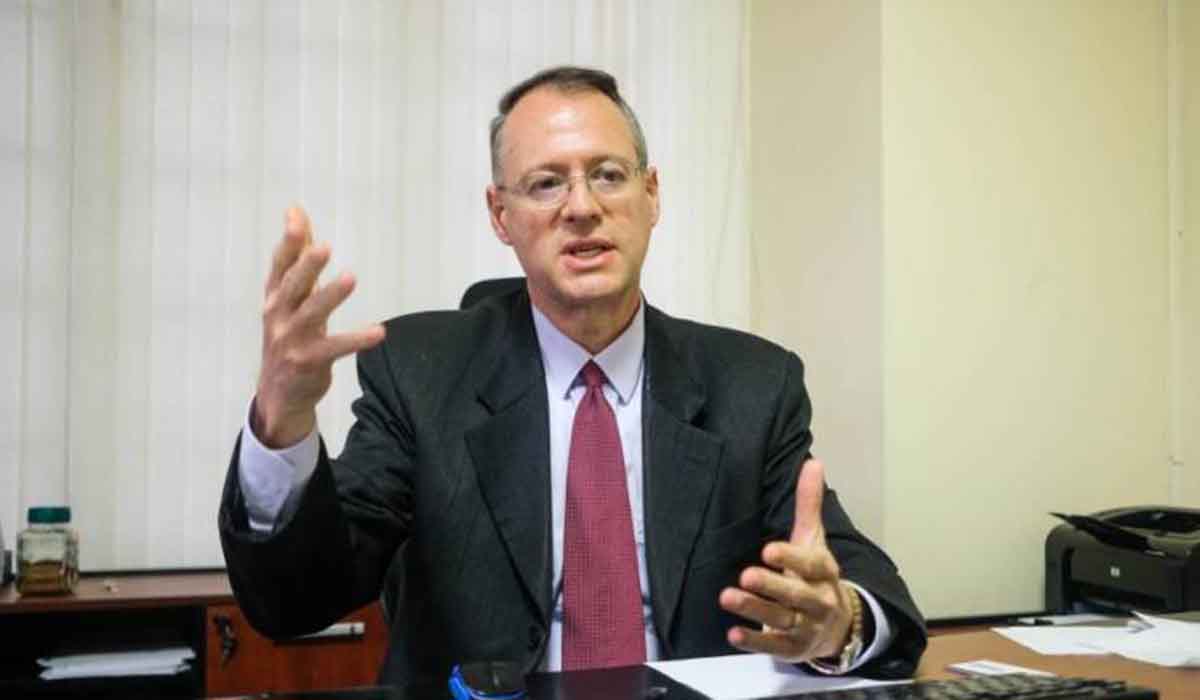
Politician and financial analyst Jaime Dunn
Politician and financial analyst Jaime Dunn warned that Bolivia should not use resources from the International Monetary Fund (IMF) to sustain government spending, but rather take advantage of the financing to implement structural reforms, reduce the fiscal deficit, and create the conditions that will allow the country to generate its own dollars.
“We cannot use new dollars to finance the same old state,” he said during ERBOL’s La Tarde en Directo program.
Dunn argued that the IMF disbursement mainly provides an injection of liquidity and time for Bolivia to put its public finances in order, but stressed that the loan itself does not create prosperity or fiscal discipline.
He explained that these resources do not represent dollars generated by the Bolivian economy, but borrowed money that will eventually have to be repaid.
Among the main measures that, according to Dunn, should accompany the agreement are a significant reduction in public spending, the restructuring or closure of unviable state-owned enterprises, greater independence for the Central Bank, and the removal of controls that, in his view, limit productive activity, such as export quotas and certain restrictions on interest rates.
The analyst believes that one of the greatest risks is merely changing the source of financing for the deficit without solving the fiscal imbalance itself.
“Changing the source of financing for the hole does not eliminate the hole,” he said, warning that the problem will persist as long as the state continues spending more than it earns.
Dunn highlighted that the IMF program includes a substantial reduction in public spending over the 36 months of the agreement and noted that the adjustment should be reflected in the General State Budget.
Another issue he considers central is the situation of state-owned companies. Dunn argued that the government should restructure companies that generate losses and shut down those that prove unviable.
He also stated that Bolivia needs to strengthen its productive and export sectors in order to generate the dollars required to repay the debt in the future. In that regard, he proposed reforms aimed at facilitating exports, eliminating quotas, and reviewing conditions that affect producers.
The analyst questioned the fact that the burden of adjustment falls primarily on citizens and businesses. He argued that Bolivians are already facing a loss of purchasing power, higher costs for dollar-denominated debts, lower consumption, and difficulties in the labor market.
“The big question is: when is the state going to do its part?” he asked.
Dunn maintained that there has not yet been a sufficiently significant reduction in government spending nor a restructuring of public companies that would demonstrate the state is assuming a larger share of the cost of the crisis.
In his view, if the imbalance was caused by excessive public spending and consumption, the correction cannot fall solely on citizens.
“Citizens already have their belts tightened,” he said, arguing that at this new stage of the crisis, the greatest effort should be borne by the state.
Fuel and Subsidy Reductions
Dunn also addressed the gradual removal of fuel subsidies and its impact on the population. The analyst argued that the adjustment should not be limited to increasing fuel prices, but should also be accompanied by better conditions for production.
“If we charge producers international prices, we must also give them international conditions for production,” he said.
In that context, he proposed eliminating export restrictions, avoiding price ceilings, and reducing the costs associated with importing goods and inputs needed for production.
Dunn also mentioned the need to review other subsidies and tariffs in addition to fuel prices, and argued that the process should be accompanied by improvements in the quality and efficiency of public services.
Por Erbol, El Dia:
Dunn pide destinar los recursos del FMI a reformas y no a financiar “el mismo Estado viejo”
“No podemos usar dólares nuevos para financiar el mismo Estado viejo”, afirmó el político y analista financiero Jaime Dunn
El político y analista financiero, Jaime Dunn
El político y analista financiero, Jaime Dunn, advirtió que Bolivia no debe utilizar los recursos del Fondo Monetario Internacional (FMI) para sostener el gasto del Estado, sino aprovechar el financiamiento para ejecutar reformas estructurales, reducir el déficit fiscal y generar las condiciones que permitan al país producir sus propios dólares.
“No podemos usar dólares nuevos para financiar el mismo Estado viejo”, afirmó en La Tarde en Directo de ERBOL.
Dunn sostuvo que el desembolso del FMI representa principalmente una inyección de liquidez y tiempo para que Bolivia ordene sus cuentas públicas, pero remarcó que el crédito no genera por sí mismo prosperidad ni disciplina fiscal.
Explicó que estos recursos no representan dólares generados por la economía boliviana, sino dinero prestado que posteriormente deberá ser devuelto.
Entre las principales medidas que, según Dunn, deberían acompañar el acuerdo se encuentran una reducción significativa del gasto público, la reestructuración o cierre de empresas estatales inviables, una mayor independencia del Banco Central y la eliminación de controles que, a su juicio, limitan la actividad productiva, como cupos de exportación y determinadas restricciones sobre tasas de interés.
El analista consideró que uno de los principales riesgos consiste en cambiar únicamente la fuente de financiamiento del déficit sin solucionar el desequilibrio fiscal.
“Cambiar la fuente de financiamiento del hueco no elimina el hueco”, afirmó, al advertir que el problema continuará mientras el Estado mantenga un nivel de gasto superior a sus ingresos.
Dunn destacó que el programa con el FMI contempla una reducción importante del gasto público durante los 36 meses de vigencia del acuerdo y señaló que el ajuste debería reflejarse en el Presupuesto General del Estado.
Otro de los puntos que consideró centrales es la situación de las empresas estatales. Dunn sostuvo que el Estado deberá reestructurar aquellas compañías que generan pérdidas y poner fin a las operaciones de las empresas que resulten inviables.
También señaló que Bolivia necesita impulsar su sector productivo y exportador para generar los dólares con los que posteriormente deberá pagar la deuda. En ese sentido, planteó reformas orientadas a facilitar las exportaciones, eliminar cupos y revisar las condiciones que afectan a los productores.
El analista cuestionó que el costo del ajuste recaiga principalmente sobre los ciudadanos y las empresas. Afirmó que los bolivianos ya enfrentan una pérdida de poder adquisitivo, un mayor costo de las deudas en dólares, menor consumo y dificultades en el mercado laboral.
“La gran pregunta es, ¿cuándo el Estado va a hacer su parte?”, planteó.
Dunn sostuvo que todavía no se observa una reducción suficientemente significativa del gasto estatal ni una reestructuración de empresas públicas que permita demostrar que el Estado está asumiendo una parte mayor del costo de la crisis.
En su criterio, si el desequilibrio fue generado por un exceso de gasto y consumo público, la corrección no puede recaer únicamente sobre los ciudadanos.
“Los ciudadanos ya estamos con los cinturones bien ajustados”, afirmó, al sostener que en esta nueva etapa de la crisis el mayor esfuerzo debería recaer sobre el Estado.
Combustibles y reducción de subvenciones
Dunn también se refirió al retiro progresivo de las subvenciones a los combustibles y a su impacto sobre la población. El analista sostuvo que el ajuste no debería limitarse a elevar los precios de los combustibles, sino que tendría que estar acompañado por mejores condiciones para producir.
“Si al productor le cobramos precios internacionales, también debemos darle condiciones internacionales para producir”, afirmó.
En ese marco, planteó eliminar restricciones a las exportaciones, evitar techos de precios y reducir los costos asociados a la importación de bienes e insumos necesarios para la producción.
Dunn también mencionó la necesidad de revisar otras subvenciones y tarifas, además de los precios de los combustibles, y consideró que el proceso debe estar acompañado por una mejora en la calidad y eficiencia de los servicios públicos.


Leave a Reply