By Milenka Parisaca, ABI:
A Lizard Sought Since 2023 Appears in Riberalta
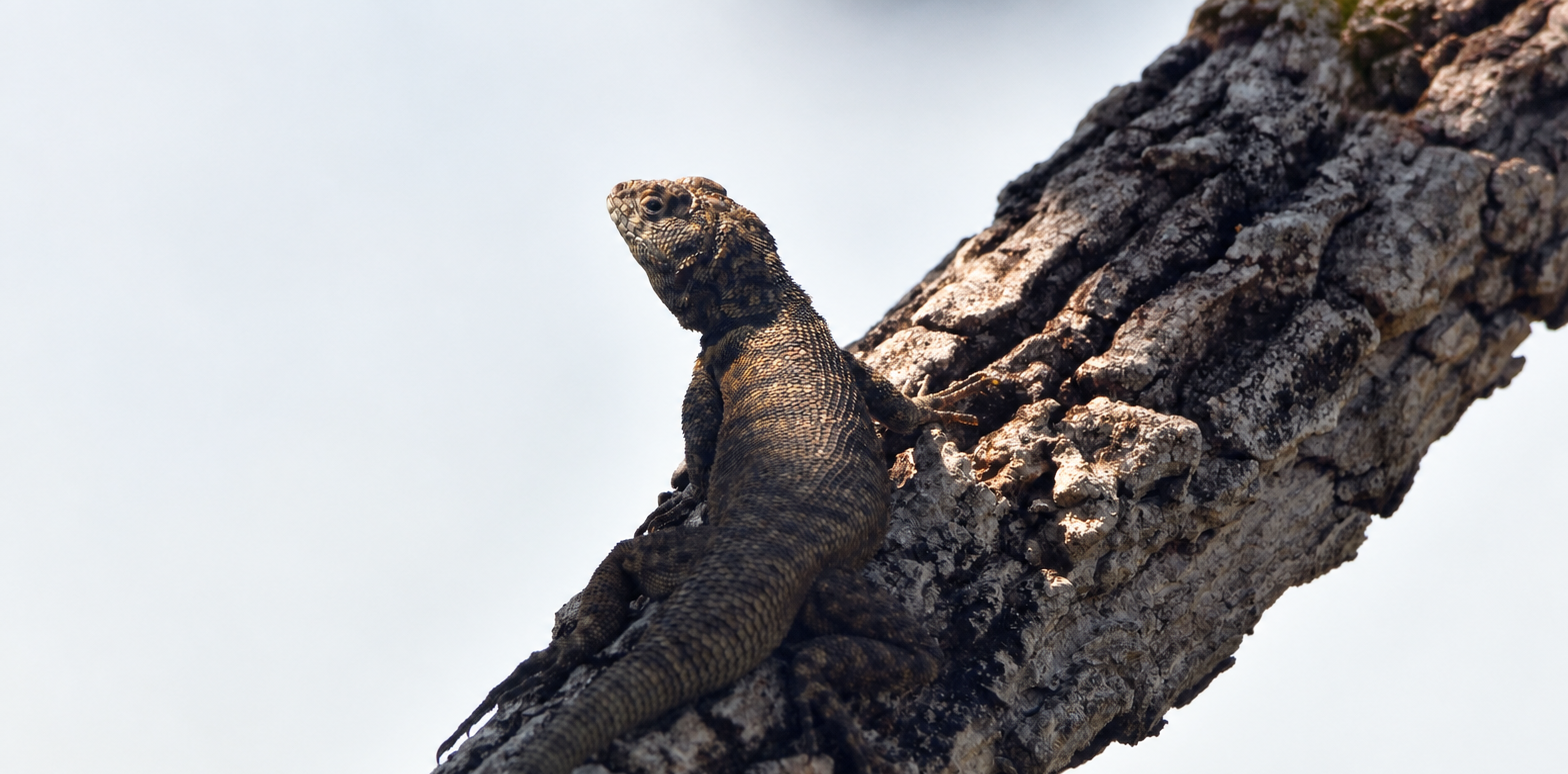
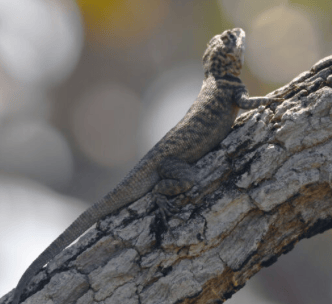
The Tropidurus madeiramore was photographed by biologist Vincent Vos on a tree branch during a break in an expedition south of Riberalta. | Photo: Vincent Vos.
Beni, September 20, 2026 (ABI). — A break in the shade of a vehicle ended with a surprise for biologist Vincent Vos. Perched on a tree branch was the lizard he had been searching for since 2023, a small reptile that had until then eluded him among the vegetation of Beni.
The biologist encountered the specimen by chance. He and a group of friends were concluding an expedition in late August in the far south of the municipality of Riberalta. The purpose of that trip was something entirely different. They were examining an area with possible traces of ancient human activity, an archaeological mystery that still awaits the verdict and analysis of specialists.
The lizard was identified as Tropidurus madeiramore, a species described by Brazilian scientists only in 2023. Since then, interest had grown in determining whether it was also present in Bolivia. Records from the neighboring country suggested that it was.
The encounter occurred while the group was preparing to drink water and rest. Vos looked toward a tree and found the animal calmly sitting on a branch, showing no obvious reaction to the presence of people.
“It let me photograph it from every angle,” he told ABI.
That docility proved crucial. These animals are known for their lightning-fast movements, and any brief sighting usually makes it difficult to confirm their identity.
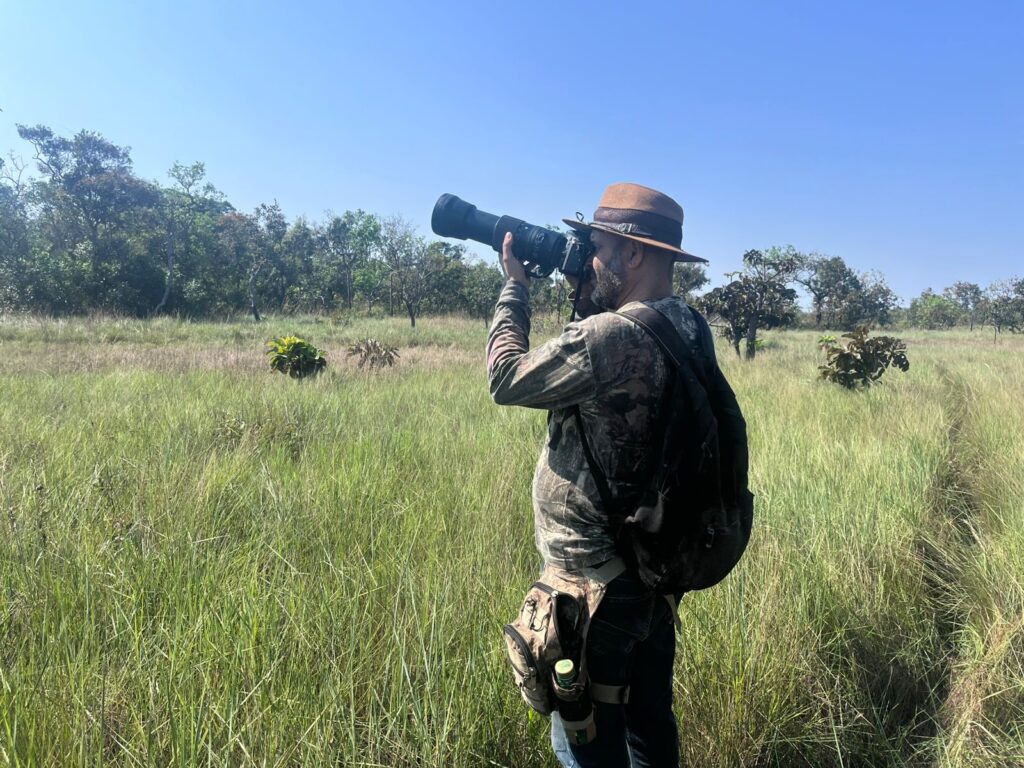
Vincent Vos and his friends during the expedition in southern Riberalta, where the biologist found the lizard he had been searching for since 2023. | Photos: Vincent Vos.
According to Vos, the specimen displays a dark gray-brown coloration, ochre highlights on the head, and an elegant black nuchal collar bordered by a pale line. The defining feature is found on its neck: a deep fold known as a mite pocket. This characteristic is the key trait that distinguishes it from its close relative, Tropidurus oreadicus.
The setting of the discovery also challenges previous assumptions. Until now, scientists had associated this species almost exclusively with termite mounds. The few observations made in trees were generally interpreted as desperate escapes triggered by human disturbance. This time, however, the reptile appeared to be genuinely resting on the branch.
“This one was simply in a natural position in the tree,” the expert noted.
The observation therefore provides an important clue about the habits of an animal about which very little is known.
The search began after Brazilian researchers studied populations of these lizards and detected differences among specimens from different regions of Brazil.
Following the formal description of the species in 2023, Vos received a challenge from an American colleague specializing in herpetology—the branch of zoology that studies reptiles and amphibians—to look for it in Bolivia.
On some of his previous outings, he had even explored the grasslands near Riberalta specifically in search of the species. He may have seen it before, but without a clear photograph it was difficult to confirm exactly which species it was.
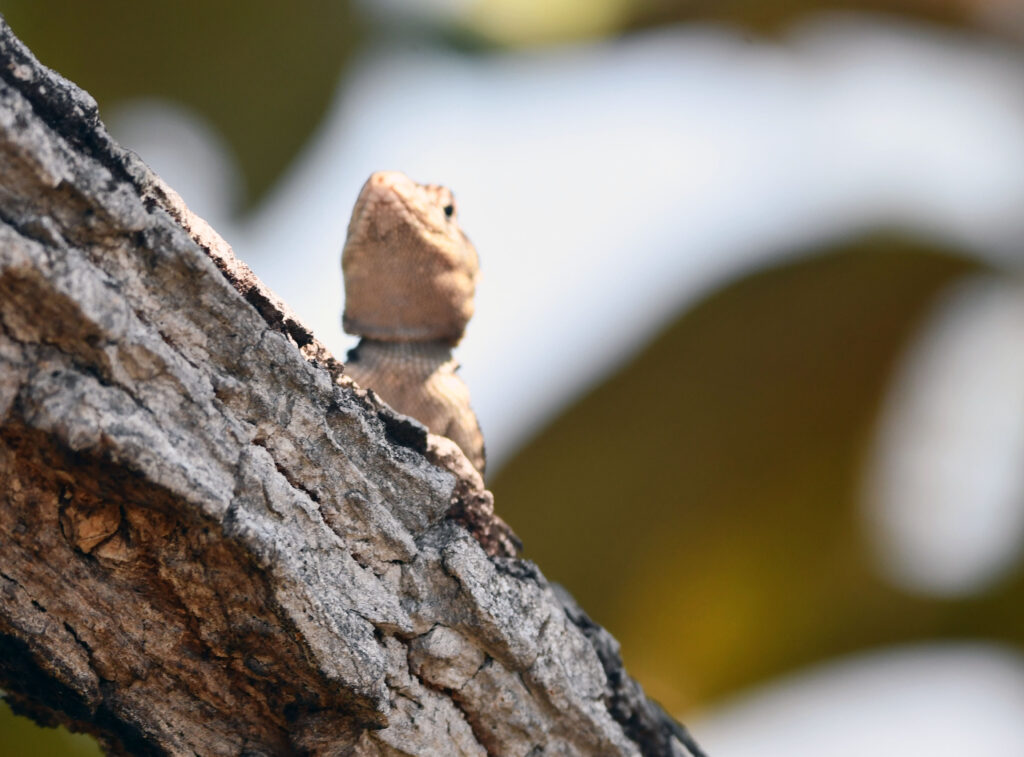
Biologist Vincent Vos succeeded in photographing the reptile from different angles, allowing its characteristics to be compared and its identification confirmed. | Photos: Vincent Vos.
This time, the photographs allowed for a careful comparison. Once back home, he reviewed the images and uploaded them to iNaturalist, a global citizen-science platform that enables users to identify, record, and share observations of plants, animals, and fungi. Vos has accumulated more than 12,000 records there. His American colleague also reviewed the photographs and confirmed that they belonged to the sought-after species.
The record is not the first of Tropidurus madeiramore in Bolivia. In 2025, researchers published a scientific paper reporting several findings of the species in the country. The new observation adds another record and, according to Vos, represents the first confirmed identification for Riberalta.
The exact location also has a particularity. The biologist refers to the far south of Riberalta, although some official references classify that area as belonging to the municipality of Exaltación. As a native of Riberalta, he identifies the location as part of Riberalta.
The specimen was not collected. Vos explained that more in-depth scientific research might require biological samples, but he prefers not to remove animals from their natural habitat when it is unnecessary.
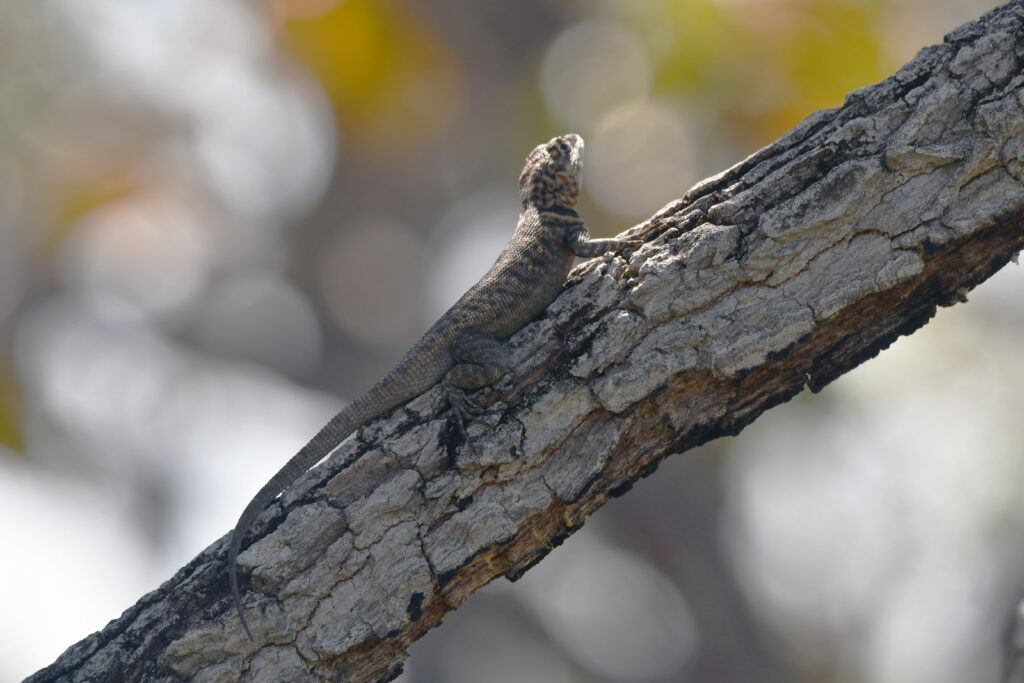
The specimen displays a dark gray-brown coloration, ochre tones on the head, and a black nuchal collar bordered by a pale line. | Photos: Vincent Vos.
For now, the photographs and information remain available on iNaturalist and may contribute to other biodiversity platforms, such as the Global Biodiversity Information Facility (GBIF). The expert regretted that this international organization has not yet incorporated Bolivian data into its platforms.
The species still holds many mysteries. With only a handful of known sightings, there is insufficient information to accurately determine its conservation status. Its reproductive biology, the number of offspring it produces, and the full extent of its distribution range also remain largely unknown.
What the discovery does demonstrate is that there are still animals waiting to be documented in a region of extraordinary biodiversity. For Vos, Beni is a paradox: a wild paradise protected by scientific knowledge that remains limited.
“You go out with friends and already find something new,” he summarized.
That phrase also captures the story behind this record: the group set out to explore a place whose past still requires investigation and returned with evidence of a species that had evaded Bolivian science for years.
//MPC/EO
Por Milenka Parisaca Carrasco, ABI:
Una lagartija buscada desde 2023 aparece en Riberalta
La Tropidurus madeiramore fue fotografiada por el biólogo Vincent Vos sobre la rama de un árbol durante una pausa de la expedición en el sur de Riberalta. | Foto: Vincent Vos.
Beni, 20 de septiembre de 2026 (ABI).– Una pausa bajo la sombra de un vehículo terminó con una sorpresa para el biólogo Vincent Vos. Sobre la rama de un árbol estaba la lagartija que buscaba desde 2023, un pequeño reptil que hasta entonces se le había escapado entre la vegetación del Beni.
El biólogo topó con el ejemplar de forma fortuita. Él y un grupo de amigos concluían una expedición a finales de agosto en el extremo sur del municipio de Riberalta. El objetivo de aquel recorrido era diferente. Buscaban examinar un terreno con posibles huellas de actividad humana antigua, un enigma arqueológico que aún aguarda el veredicto y análisis de los especialistas.
La lagartija fue identificada como Tropidurus madeiramore, una especie que la ciencia brasileña describió apenas en 2023. Desde entonces, surgió el interés por establecer si también estaba presente en Bolivia. Los registros en el vecino país hacían pensar que sí.
El encuentro ocurrió cuando el grupo se disponía a tomar agua y descansar. Vos miró hacia un árbol y encontró al animal sobre una rama, tranquilo, sin mostrar una reacción evidente ante la presencia de las personas.
“Me dejó sacarle fotos de todos los ángulos”, contó a ABI. Esa docilidad resultó crucial. Estos animales destacan por su velocidad eléctrica y cualquier avistamiento fugaz suele frustrar la confirmación de la identidad.
Vincent Vos y sus amigos durante la expedición en el sur de Riberalta, donde el biólogo encontró la lagartija que buscaba desde 2023. | Fotos: Vincent Vos.
Según explicó Vos, el ejemplar tiene una coloración gris-pardo oscura, pinceladas ocres en la cabeza y un elegante collar nucal negro rodeado por una línea clara. El detalle definitivo está en su cuello: un pliegue profundo bautizado como mite pocket (bolsa para ácaros). Esta característica es el pasaporte que lo diferencia de su pariente cercano, el Tropidurus oreadicus.
El escenario del hallazgo también rompe los esquemas conocidos. Hasta la fecha, los científicos vinculaban a esta especie de forma casi exclusiva con los termiteros. Los pocos avistamientos en árboles se entendían como una huida desesperada provocada por la irrupción humana. Esta vez no fue así; el reptil disfrutaba de un reposo auténtico sobre la rama.
“Este estaba nomás en posición natural en el árbol”, apuntó el experto. El dato aporta así una valiosa pista sobre las costumbres de una fauna de la que casi nada se sabe.
La búsqueda comenzó después de que investigadores brasileños estudiaran poblaciones de estas lagartijas y detectaran diferencias entre ejemplares de distintas zonas de Brasil.
Después de la descripción de la especie en 2023, Vos recibió de un colega estadounidense, dedicado a la herpetología —rama de la zoología que estudia reptiles y anfibios—, el desafío de buscarla en Bolivia.
En alguna de sus salidas anteriores incluso recorrió las pampas cercanas a Riberalta con la intención de encontrarla. Pudo haberla visto en alguna ocasión, pero sin una fotografía clara resultaba difícil confirmar de qué especie se trataba.
El biólogo Vincent Vos logró fotografiar al reptil desde distintos ángulos, lo que permitió comparar sus características y confirmar su identificación. | Fotos: Vincent Vos.
Esta vez las fotografías permitieron hacer la comparación con calma. Ya en casa, revisó las imágenes y las incorporó a iNaturalist, una plataforma global de ciencia ciudadana que permite identificar, registrar y compartir observaciones de plantas, animales y hongos. Allí Vos acumula más de 12.000 registros. Su colega estadounidense también revisó las fotografías y confirmó que se trataba de la especie buscada.
El registro no constituye el primero de tropidurus madeiramore en Bolivia. En 2025, investigadores publicaron un artículo científico con algunos hallazgos de la especie en el país. El nuevo dato suma otra observación y, para Vos, representa el primero que se identifica para Riberalta.
La ubicación exacta también tiene una particularidad. El biólogo señala el extremo sur de Riberalta, aunque existen referencias oficiales que consideran parte de esa zona dentro del municipio de Exaltación. Como riberalteño, identifica el lugar con Riberalta.
El ejemplar no fue colectado. Vos explicó que una investigación científica más profunda podría requerir la toma de muestras, pero prefiere no retirar animales de su hábitat cuando no es necesario.
El ejemplar presenta una coloración gris-pardo oscura, tonos ocres en la cabeza y un collar nucal negro bordeado por una línea clara. | Fotos: Vincent Vos.
Por ahora, las fotografías y la información quedan disponibles en iNaturalist y pueden alimentar otras plataformas de biodiversidad, como la Infraestructura Mundial de Información sobre Biodiversidad (GBIF, por sus siglas en inglés). El experto lamentó que este último organismo internacional todavía no incorpore los datos bolivianos en sus plataformas.
La especie todavía guarda muchas incógnitas. Con apenas unos pocos avistamientos conocidos, no existen datos suficientes para establecer con precisión su situación de conservación. Tampoco se conoce con claridad su reproducción, la cantidad de crías que tiene o la extensión completa de su área de distribución.
Lo que sí muestra el hallazgo es que todavía quedan animales por documentar en una región de enorme diversidad. Para Vos, el Beni es una paradoja: un edén salvaje custodiado por un conocimiento científico todavía limitado.
“Una salida entre amigos y ya pillas algo nuevo”, resumió.
La frase encierra también la historia de este registro: el grupo salió a explorar un lugar cuyo pasado aún debe ser estudiado y regresa con las pruebas de una especie que esquivó a la ciencia boliviana durante años.
//MPC/EO
https://abi.bo/una-lagartija-buscada-desde-2023-aparece-en-riberalta/


Leave a Reply