By Marco Mendoza, La Razon:
Wildlife: A Variety of Species at Risk of Disappearing
The lack of financial resources and, in some cases, personnel makes a more effective fight against this crime difficult

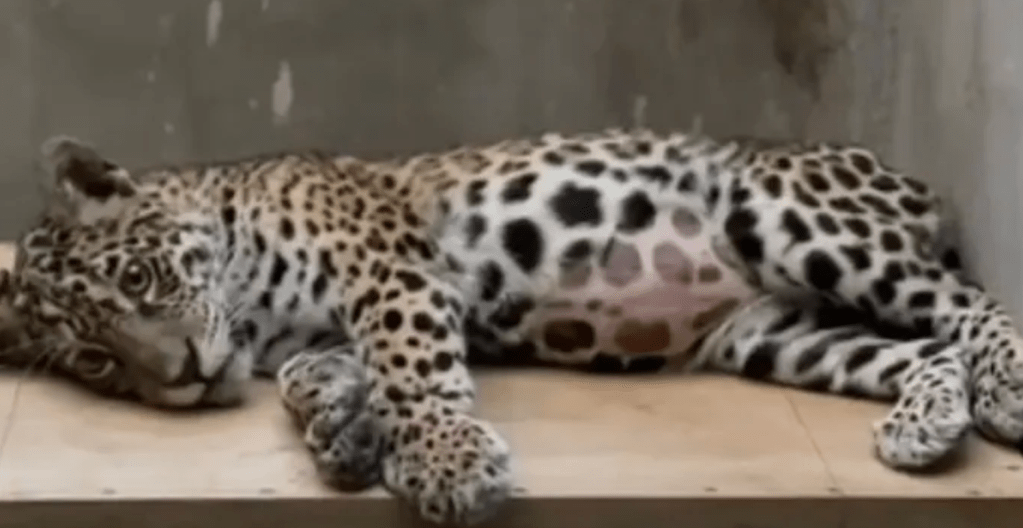
The jaguar is one of the species most threatened by wildlife trafficking / Senda Verde
In Bolivia, the sale, capture, possession, and illegal trafficking of wildlife species are crimes punishable by up to eight years in prison under current regulations. Despite these penalties, organizations and environmentalists consider them too lenient given the serious damage caused by this illegal activity.
According to data from the General Directorate of Biodiversity and Protected Areas (DGBAP), 120 native species are illegally traded within and outside Bolivia. Many are hunted and sold in parts, such as jaguar fangs or bird feathers. Others are captured alive and sold as pets. Among the most commonly traded species are macaws, monkeys, and turtles.
According to the International Union for Conservation of Nature (IUCN) and Asociación Armonía, 478 threatened species were identified in 2024, meaning that one out of every ten known species faces the risk of extinction. Of this total, 63 are classified as Critically Endangered (CR), 145 as Endangered (EN), and 270 as Vulnerable (VU), according to a report by the Environmental News Agency (ANA).
An example of this problem occurred two weeks ago with the rescue of two newborn howler monkey infants following an operation carried out in Santa Cruz de la Sierra, in the Urubó area. The primates were being offered for sale on social media for Bs 2,800. During the operation, two wildlife traffickers were arrested.
This case reflects the cruelty of wildlife trafficking networks, since capturing the infants most likely required killing their mother. “It is almost certain that the mother was killed by those seeking to sell the babies. Unfortunately, in these cases the damage is enormous. By being sold as pets, they are deprived of their basic ecological role as seed dispersers or pest controllers. In addition, they are given inadequate diets, which can lead to premature death,” explained wildlife expert Marco Greminger.


THREAT
Wildlife trafficking in Bolivia affects more than 120 species, approximately 70 of which are believed to be endangered. Among the most affected are:
Jaguar (Panthera onca): Highly sought after in Asian markets. Its fangs, claws, and skins are the most trafficked parts.
Birds and primates: Macaws, parrots, and baby monkeys, such as those rescued in Santa Cruz, are captured for the illegal pet trade. They are marketed through social media, making monitoring and control more difficult.
Lizards and snakes: Plateau lizards and various snake species, including boas, are trafficked for their skins or kept as pets in captivity.
Llama sullus and viscachas: In operations carried out by the Forestry and Environmental Protection Police (Pofoma), hundreds of viscachas and llama fetuses, known as sullus, have been found illegally dried for traditional rituals and popular markets.
Gastronomy: In the Bolivian Amazon, mainly in Beni and Pando, there is illegal trade in river turtle eggs during nesting season. The eggs are offered and sold informally through social media and in some markets, where authorities carry out seizures. Despite this, the trade remains widespread nationwide.
“Many species, particularly in Beni, and even more so at a time when the economy plays an unfavorable role for our wildlife, are hunted for consumption and trade. That is where the danger of indiscriminate hunting lies, because nobody controls it. There are no checkpoints from departmental governments or municipalities to prevent predatory hunting,” Greminger explained to La Razón.
The jochi, peccary (wild pig), urina—a small deer—and the nine-banded armadillo are among the species targeted by poachers to supply bushmeat markets in some regions of the country.
“Unfortunately, many of the people who hunt these species are unaware of the risks involved. Many of these animals carry zoonotic diseases to which they are immune but which can affect humans. Indigenous people and rural communities living in forest areas understand this and know how, when, and what to hunt without affecting ecological balance. But those engaged in sport hunting or commercial hunting do not know this and shoot at anything that moves,” he said.
In Bolivia, illegal wildlife trafficking is classified as a criminal offense and is regulated by Law 1525, the Comprehensive Law for the Protection and Conservation of the Andean Condor; Law 1333, the Environmental Law; Law 300, the Mother Earth Framework Law; and Decree Law 12301, the Wildlife Law.
Prison sentences range from two to six years and can be increased to eight years when endangered species are involved. Pofoma is the institution responsible for intervening in and investigating wildlife trafficking cases in coordination with the Public Prosecutor’s Office.
However, in Pofoma’s case, the lack of resources is an obstacle to carrying out more effective operations and controls. As for the Public Prosecutor’s Office, the absence of prosecutors specialized in environmental matters hinders investigations.
Some organizations, such as WCS-Bolivia, coordinate actions with both institutions through training workshops aimed at improving conditions for combating this crime. In some cases, they also provide resources for fuel used in rescues and inspections. Nevertheless, much remains to be done.
Keeping Wild Animals as Pets Is Wildlife Trafficking
Keeping wild animals in captivity in homes as if they were pets is known as pet keeping. This practice is illegal and constitutes a form of wildlife trafficking because it promotes the possession and commercialization of species outside their natural habitat.
In Bolivia, Environmental Law 1333 prohibits the extraction, transport, and possession of wildlife without authorization. Those who engage in these practices can face prison sentences.
In addition to legal penalties, keeping wildlife as pets causes considerable harm to species. Animals lose their natural behaviors and may suffer from malnutrition, anemia, obesity, and severe stress due to inadequate diets and unsuitable living conditions. This reduces wild animal populations and disrupts ecosystem balance.
“Without a doubt, keeping wild animals as pets is wildlife trafficking. Poachers kill females that have recently given birth and take the offspring home to raise them as pets,” explained Marco Greminger.
The expert stated that when these animals grow and reach sexual maturity, their behavior changes and they may become aggressive, putting their owners, families, and surroundings at risk.
“But the animal is also in danger, because when it reaches that stage and becomes aggressive, it risks being killed,” he said.
He revealed that this is often when those raising the animals call rescuers to take responsibility for them, claiming the animals entered their homes.
“As specialists, we can tell when an animal has been raised as a pet and when it is truly wild. But we still have to rescue it, rehabilitate it, and try to return it to its natural habitat,” he said.
Today, this practice is viewed in some regions as a sign of economic status. Keeping wild animals as pets strongly fuels illegal wildlife trafficking, making it necessary to penalize those who keep these species in their homes.
Por Marco Mendoza, La Razon:
Fauna silvestre: Una variedad de especies en riesgo de desaparecer
La falta de recursos económicos y en algunos casos humanos dificulta una lucha más efectiva contra este delito
El jaguar es una de las especies más amenazadas por tráfico de especies / Senda Verde
En Bolivia, la venta, captura, tenencia y tráfico ilegal de especies silvestres son delitos sancionados con hasta ocho años de cárcel, según la normativa vigente. A pesar de las sanciones, estas son consideradas leves por organizaciones y ambientalistas, tomando en cuenta el grave daño que provoca esta actividad ilegal.
De acuerdo con datos de la Dirección General de Biodiversidad y Áreas Protegidas (DGBAP), 120 especies nativas son comercializadas ilegalmente dentro y fuera de Bolivia. Muchas son cazadas y vendidas por partes, como ocurre con los colmillos de jaguar o las plumas de diferentes aves. Otras son capturadas vivas y comercializadas como mascotas. Entre las especies más ofertadas están las parabas, los monos y las tortugas.
Según la Unión Internacional para la Conservación de la Naturaleza (UICN) y la Asociación Armonía, en 2024 se identificaron 478 especies amenazadas, lo que significa que una de cada 10 especies conocidas enfrenta riesgo de extinción. De ese total, 63 están clasificadas como críticamente amenazadas (CR), 145 como amenazadas (EN) y 270 como vulnerables (VU), de acuerdo con un reporte de la Agencia de Noticias Ambientales (ANA).
Un ejemplo de esta problemática ocurrió hace dos semanas, con el rescate de dos crías recién nacidas de mono aullador, luego de un operativo realizado en Santa Cruz de la Sierra, en la zona del Urubó. Los primates eran ofertados por Bs 2.800 mediante redes sociales. Durante el operativo, dos traficantes de vida silvestre fueron aprehendidos.
Este hecho refleja la crueldad con la que actúan las redes dedicadas al tráfico de fauna silvestre, pues para capturar a las crías, lo más probable es que hayan matado a la madre. “Es más que seguro que la madre fue muerta por quienes buscaban comercializar las crías. Lastimosamente, en estos casos el daño es muy grande. Al ser vendidas como mascotas, se les priva de su rol ecológico básico como dispersores de semillas o controladores de plagas. Además, reciben dietas inadecuadas, lo que puede provocar su muerte prematura”, explicó Marco Greminger, experto en vida silvestre.
PELIGRO
El tráfico de animales silvestres en Bolivia afecta a más de 120 especies, de las cuales aproximadamente 70 estarían en peligro de extinción. Entre las más afectadas se encuentran: El jaguar (Panthera onca): Es muy codiciado en el mercado asiático. Sus colmillos, garras y pieles son las partes que más se trafican.
Aves y primates: Las parabas o guacamayos, los loros y las crías de monos, como los ejemplares rescatados en Santa Cruz, son capturados para el mercado ilegal de mascotas. La oferta se realiza mediante redes sociales, lo que dificulta su monitoreo y control.
Lagartos y víboras: Los lagartos de meseta y diversas serpientes, como las boas, son traficados por sus pieles o para ser mantenidos en cautiverio como mascotas.
Sullus de llama y vizcachas: En operativos realizados por la Policía Forestal y de Protección al Medio Ambiente (Pofoma), se hallaron cientos de vizcachas y fetos de llama, conocidos como sullus, en procesos ilegales de secado destinados a rituales tradicionales y mercados populares.
Gastronomía: En la Amazonía boliviana, principalmente en Beni y Pando, existe el comercio ilegal de huevos de peta o tortuga de río durante la época de desove. Los huevos son ofertados y vendidos de manera informal, a través de redes sociales y en algunos mercados, donde las autoridades realizan decomisos. Pese a ello, la comercialización continúa siendo elevada a escala nacional.
“Muchas especies, principalmente en Beni, peor en esta época en la que la economía juega un papel desfavorable para nuestra fauna silvestre, son cazadas para el consumo y la comercialización. Ahí está el peligro de la caza indiscriminada, porque nadie los controla. No hay puestos de control del Gobierno departamental o de las alcaldías para evitar una caza de depredación”, explicó Greminger a La Razón.
El jochi, el cerdo de tropa o chancho de monte, la urina —un ciervo pequeño— y el tatú o armadillo de nueve bandas están en la mira de la caza furtiva para abastecer los mercados de carne de monte en algunas regiones del país.
“Lastimosamente, muchas de las personas que cazan estas especies no conocen el riesgo que esto implica. Muchos de estos animales son portadores de algunas enfermedades zoonóticas, frente a las cuales son inmunes, pero que pueden afectar a los humanos. Los indígenas y campesinos que viven en áreas de bosque conocen esto y saben cómo, cuándo y qué cazar sin afectar el equilibrio. Pero quienes se dedican a la caza deportiva o con fines comerciales no saben esto y le disparan a todo lo que se mueve”, aseguró el entrevistado.
En Bolivia, el tráfico ilegal de fauna silvestre está tipificado como delito penal y se encuentra regulado por la Ley 1525, Ley Integral de Protección y Conservación del Cóndor Andino; la Ley 1333, Ley del Medio Ambiente; la Ley 300, Ley Marco de la Madre Tierra; y el Decreto Ley 12301, Ley de Vida Silvestre.
Las penas van desde los dos hasta los seis años de cárcel y pueden agravarse hasta ocho años cuando se trata de especies en peligro de extinción. Pofoma es la institución encargada de intervenir e investigar los casos de tráfico de vida silvestre, en coordinación con el Ministerio Público.
Sin embargo, en el caso de Pofoma, la falta de recursos constituye un obstáculo para la realización de operativos y controles más efectivos. En cuanto al Ministerio Público, la ausencia de fiscales especializados en temas medioambientales dificulta el desarrollo de las investigaciones.
Algunas organizaciones, como WCS-Bolivia, coordinan acciones con ambas instituciones mediante talleres de capacitación, con el objetivo de mejorar las condiciones para enfrentar este delito. En algunos casos, también brindan recursos para combustible destinado a rescates y controles. No obstante, todavía falta mucho por hacer.
Mascotismo sinónimo de tráfico de especies
El mascotismo consiste en mantener animales silvestres en cautiverio dentro de los hogares como si fueran mascotas. Esta práctica es ilegal y constituye una forma de tráfico de vida silvestre, ya que fomenta la tenencia y comercialización de especies fuera de su hábitat natural.
En Bolivia, la Ley 1333 de Medio Ambiente prohíbe extraer, transportar y tener fauna silvestre sin autorización. Quienes incurren en estas prácticas pueden enfrentar penas de cárcel.
Además de las sanciones, el mascotismo provoca un daño considerable a las especies. Los animales pierden sus hábitos naturales y pueden sufrir desnutrición, anemia, sobrepeso y estrés severo por no recibir una dieta adecuada ni vivir en su hábitat. Esta situación reduce las poblaciones de animales en libertad y altera el equilibrio de los ecosistemas.
“Sin lugar a dudas, el mascotismo es tráfico de especies silvestres. Los cazadores furtivos matan hembras que tuvieron crías recientemente y se llevan a sus crías a sus casas para criarlas como mascotas”, explicó Marco Greminger, experto en vida silvestre.
El especialista aseguró que estos animales, al crecer y alcanzar la madurez sexual, cambian de actitud y pueden volverse agresivos, lo que pone en peligro al poseedor, su familia y su entorno.
“Pero también el animal corre peligro, ya que al estar en esa etapa y volverse agresivo, corre el riesgo de que lo maten”, indicó.
Reveló que es en ese momento cuando quienes los crían llaman a rescatistas para que se hagan cargo del animal, argumentando que ingresó a sus viviendas.
“Como especialistas nos damos cuenta cuando un animal fue criado como mascota y cuando es salvaje. Pero igual debemos rescatarlo, readaptarlo y tratar de que vuelva a su hábitat”, dijo.
Actualmente, esta práctica es vista en varias regiones como una demostración de poder económico. El mascotismo de animales silvestres impulsa fuertemente el tráfico ilegal de vida silvestre, por lo que se debe sancionar a quienes mantienen estas especies en sus hogares.


Leave a Reply