By Francesco Zaratti:
La Paz, September 6, 2026 – For some time now, Bolivia has been suffering from a chronic fuel shortage, with diesel being the most critical case. This raises an essential question: what is the government’s plan—if there is one—to solve this enormous challenge?
The Reality in Numbers
A set of key data helps us understand the magnitude of the problem:
- External Dependence: Bolivia produces only 10% of the diesel it consumes.
- Consumer Sectors: According to the National Institute of Statistics (INE), the main diesel consumers are transportation (80%), agribusiness (15%), and mining (5%).
- Subsidies and Market Distortions: Traditionally, governments have subsidized diesel, keeping its domestic price artificially low in an effort to contain living costs. This results in a drain on foreign currency reserves and fuels widespread smuggling to neighboring countries.
- Economic Impact: The direct consequence is chronic shortages at fuel stations, hampering the country’s most important productive sectors, particularly mining and agribusiness.
- Institutional Crisis: The state-owned company YPFB is effectively bankrupt, burdened with debts exceeding US$1 billion to suppliers, while also suffering from high levels of inefficiency and corruption.
The Government’s Strategy: When Prudence Becomes Paralysis
The measures implemented by the state have been partial, insufficient, and erratic, largely because they prioritize excessive gradualism in the face of a crisis that demands immediate action.
- Domestic Production and Investment: Increasing domestic diesel production requires significant investment in exploration and extraction, financed by risk capital that YPFB simply does not possess. Attracting foreign investment would require regulatory reforms and stronger legal certainty, both of which are constrained by the current Constitution. In short, no short-term solution is in sight.
- Energy Transition: Expanding the use of electricity—preferably generated from renewable sources—can only partially address fuel demand in transportation, agricultural machinery, and mining operations.
- The Gordian Knot: There is broad consensus, both within the government and among citizens, that fuel subsidies are the root cause of the problem and must eventually be eliminated. The dilemma lies in how to do so without triggering social unrest and within what timeframe.
- The Gradualist Approach: The government plans to eliminate fuel subsidies entirely beginning in January 2027, aligning diesel prices with international market levels adjusted to the official exchange rate of the national currency.
- The Transition Limbo: However, four months remain before 2027 arrives. During this transition period, fixed and differentiated prices continue depending on the type of consumer, while more than 80% of diesel consumption remains heavily subsidized. Yet the endless lines and persistent shortages continue unabated.
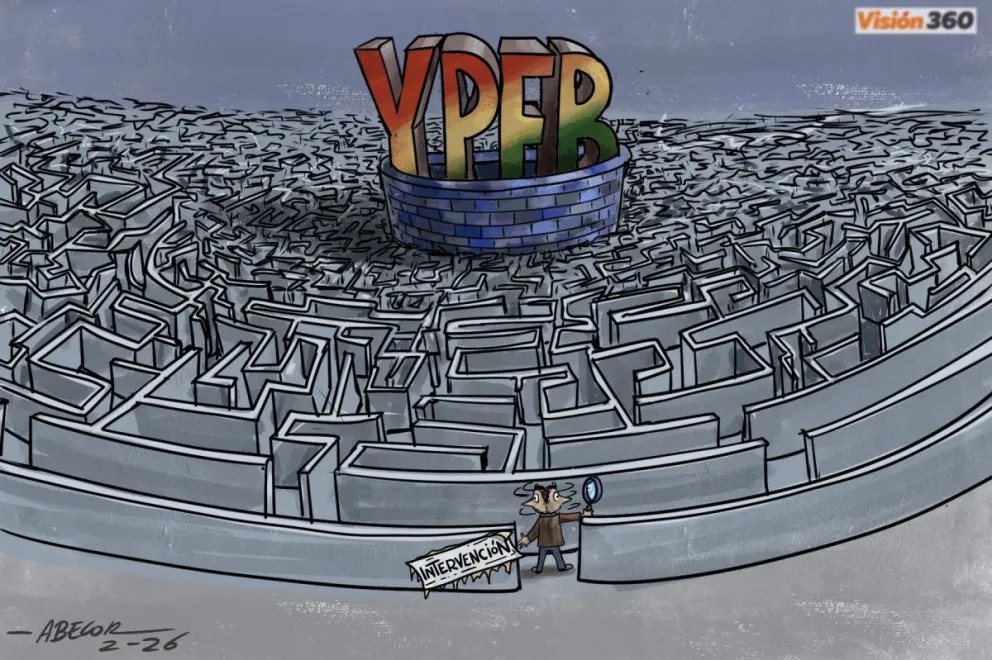
- Intervention in YPFB and the ANH: Deep government frustration over inefficiency and corruption in the imported fuel supply chain has led to the intervention of both YPFB and the National Hydrocarbons Agency (ANH). The objective is to dismantle corruption networks embedded within these institutions and restore integrity to the logistics chain. The government has presented concrete evidence—not merely suspicions—of discretionary diesel quota allocations, manipulation of computerized control systems, and internal sabotage by officials linked to the previous administration.
- Outlook: Ultimately, these interventions seek to optimize fuel supply during the remaining months of the transition period, while subsidies are still partially in place, until a new pricing and commercialization regime is established—one that is expected to be managed by private companies. The great unanswered question remains: Will they succeed?
Best regards and good health,
Francesco
Por Francesco Zaratti:
La Paz, 6 de septiembre de 2026 – Desde hace un tiempo, Bolivia padece un crónico desabastecimiento de combustibles, con especial gravedad en el caso del diésel. Cabe preguntarse: ¿cuál es el plan del gobierno —si es que lo hay— para solucionar ese enorme reto?
La realidad en cifras
Un conjunto de datos clave nos ayuda a dimensionar la magnitud del problema:
1. Dependencia externa: Bolivia produce solo un 10 % del diésel que consume.
2. Sectores consumidores: Según el Instituto Nacional de Estadísticas (INE), los principales demandantes de diésel son el transporte (80 %), la agroindustria (15 %) y la minería (5 %).
3. Subsidio y distorsiones: Tradicionalmente, los gobiernos han subvencionado el diésel, manteniendo su precio interno artificialmente bajo, para contener el costo de vida. Esto genera un derroche de divisas y un vigoroso contrabando hacia las naciones vecinas.
4. Impacto económico: El resultado directo es la escasez crónica del producto en los puntos de venta, lo que frena la actividad económica fundamental del país (minería y agroindustria).
5. Crisis institucional: La empresa pública YPFB se encuentra quebrada, acumula deudas superiores a los 1000 millones de dólares con sus proveedores y arrastra elevados niveles de ineficiencia y corrupción.
La estrategia del gobierno: la prudencia que se vuelve parálisis
Las respuestas implementadas por el Estado resultan parciales, insuficientes y erráticas, en la medida en que priorizan una excesiva gradualidad frente a una realidad que exige inmediatez.
1. Producción nacional e inversión: Para producir más diésel internamente se requiere invertir en exploración y explotación con capitales de riesgo de los cuales YPFB carece. La atracción de inversión extranjera exige reformas normativas y una seguridad jurídica que la actual Constitución limita. En suma, no se ve una solución a corto plazo.
2. Transición energética: El mayor uso de electricidad (generada preferentemente por fuentes renovables) solo es aplicable de manera parcial en el transporte, la maquinaria agroindustrial y los ingenios mineros.
3. El nudo gordiano: Existe un consenso generalizado —tanto en el gobierno como en la ciudadanía— de que la raíz del problema es la subvención y que esta debe eliminarse. El dilema radica en cómo hacerlo sin provocar un estallido social y en qué plazos ejecutarlo.
4. Apuesta por la gradualidad: El Ejecutivo tiene previsto eliminar por completo el subsidio a los carburantes desde enero de 2027, alineando el precio de venta del diésel con el valor internacional ajustado al tipo de cambio oficial de la moneda nacional.
5. El limbo de la transición: Sin embargo, faltan cuatro meses para el año 2027 y, durante este periodo de transición, se mantienen precios fijos y diferenciados por tipo de consumidor, con un diésel fuertemente subvencionado en más del 80 % de su consumo, sin que por ello disminuyan las interminables filas y el desabastecimiento.
6. Intervención a YPFB y a la ANH: La profunda decepción gubernamental ante la ineficiencia y la corrupción en la cadena de suministro de combustibles importados ha motivado la intervención de YPFB y de la Agencia Nacional de Hidrocarburos (ANH). El objetivo es desmantelar las redes de corrupción incrustadas en ambas entidades y sanear la cadena logística. El gobierno ha presentado evidencias concretas —más allá de meras sospechas— sobre asignaciones discrecionales de cupos de diésel, manipulación de sistemas informáticos de control y sabotaje interno por parte de funcionarios de la administración anterior.
7. Perspectivas: En definitiva, estas intervenciones buscan optimizar el suministro durante estos meses de transición —en los que el subsidio aún se mantiene parcialmente— hasta instaurar el nuevo régimen de precios y comercialización, el cual presuntamente quedará en manos de empresas privadas. La gran incógnita sigue siendo: ¿lo lograrán?
Saludos y salud,
Francesco


Leave a Reply