By Editorial, El Deber:
This August 17 marks one year since Bolivians went to the polls hoping to open a new political chapter. After two decades of MAS dominance, voters chose change—change that promised to dismantle an exhausted economic model, restore institutional trust, and lay the foundations for national recovery.
The diagnosis that drove that vote was clear: depleted gas reserves, lost export markets, restrictions on productive sectors, a shortage of U.S. dollars, fuel shortages, and an emerging energy crisis. Expectations were high that a new leadership, supported by a Legislative Assembly in which opposition forces held more than two-thirds of the seats, could push forward reforms that had seemed impossible for years.
The election results fueled that optimism. Although the presidency had to be decided in an unprecedented runoff, the resulting balance of power appeared sufficient to secure agreements on strategic legislation, attract investment, modernize the hydrocarbons sector, and advance a partial constitutional reform—one of the commitments shared by several candidates.
But twelve months later, the outcome falls far short of those expectations.
The initial understanding among the main parliamentary forces was short-lived. Political differences ultimately prevailed over the reform agenda, legislative blocs began to fragment, and the Assembly once again showed signs of paralysis. The opportunity to build consensus in the face of an exceptional crisis was replaced by disputes reminiscent of the institutional deadlocks of recent years.
Nor did the Executive Branch manage to consolidate the support with which it began its term. Some erratic decisions, such as reversing course on the fuel decree, strengthened groups that later advanced new demands, culminating in the 53 days of blockades that brought the country to a standstill between May and June.
That protest marked a turning point. Exports and imports slowed, productive sectors suffered further losses, and the diesel and gasoline crisis deepened. Today, farmers face difficulties carrying out the most important agricultural campaign of the year, while transport workers and ordinary citizens continue to spend hours—and sometimes days—waiting in line for fuel. Uncertainty no longer revolves solely around supply; it now extends to the State’s ability to provide a solution in the short term.
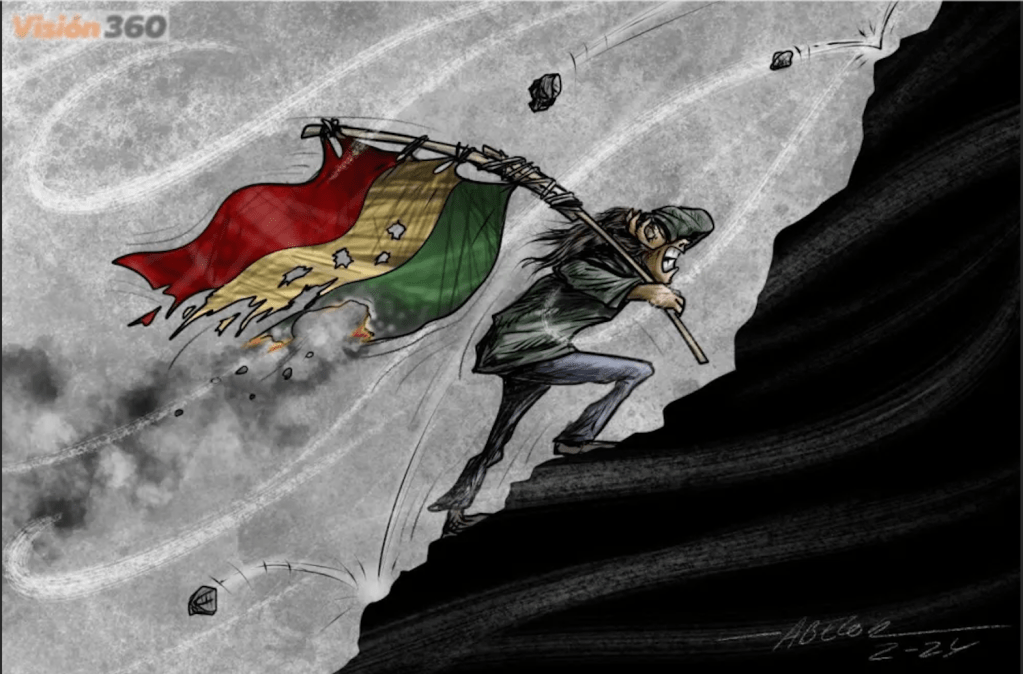
The underlying problem is that the promised change has yet to translate into structural transformation. Key economic legislation remains pending, institutional reform is stalled, and many of the practices that citizens hoped to leave behind continue to shape public administration.
One year after those elections, the main lesson is that an electoral victory alone does not guarantee a change of course. Real change requires lasting agreements, political leadership, and the ability to place the national interest above partisan calculations.
Bolivians have already done their part by turning out to vote in large numbers. It is now up to those who received that mandate to honor the trust placed in them at the ballot box. The country cannot afford to let the hope of a year ago become a promise postponed indefinitely.
Por Editorial, El Deber:
Este 17 de agosto se cumple un año desde que los bolivianos acudimos a las urnas con la esperanza de abrir una nueva etapa política. Tras dos décadas de predominio del MAS, la ciudadanía votó por un cambio que prometía desmontar un modelo económico agotado, recuperar la confianza institucional y sentar las bases de una recuperación nacional.
El diagnóstico que motivó ese voto era claro: reservas de gas agotadas, pérdida de mercados de exportación, restricciones al aparato productivo, escasez de dólares, desabastecimiento de combustibles y una crisis energética que comenzaba a hacerse evidente. La expectativa era que un nuevo liderazgo, respaldado por una Asamblea Legislativa donde las fuerzas opositoras sumaban más de dos tercios de los escaños, pudiera impulsar las reformas que durante años parecían imposibles.
Los resultados alimentaron ese optimismo. Aunque la Presidencia debió definirse en una inédita segunda vuelta, quedó configurada una correlación de fuerzas que hacía pensar en acuerdos suficientes para aprobar leyes estratégicas, atraer inversiones, modernizar el sector de hidrocarburos y avanzar hacia una reforma parcial de la Constitución, uno de los compromisos compartidos por varias candidaturas.
Pero doce meses después el balance dista mucho de aquellas expectativas.
El entendimiento inicial entre las principales fuerzas parlamentarias fue breve. Las diferencias políticas terminaron imponiéndose sobre la agenda de reformas, las bancadas comenzaron a fragmentarse y la Asamblea volvió a mostrar señales de parálisis. La oportunidad de construir consensos para enfrentar una crisis excepcional fue reemplazada por disputas que recuerdan los bloqueos institucionales de años recientes.
Tampoco el Ejecutivo logró consolidar el respaldo con el que inició su gestión. Algunas decisiones erráticas, como la marcha atrás frente al decreto sobre combustibles, fortalecieron a sectores que posteriormente impulsaron nuevas demandas y terminaron desembocando en los 53 días de bloqueos que paralizaron al país entre mayo y junio.
Aquella protesta marcó un punto de inflexión. Las exportaciones y las importaciones se desaceleraron, el aparato productivo sufrió nuevas pérdidas y la crisis del diésel y la gasolina se profundizó. Hoy, los productores enfrentan dificultades para desarrollar la campaña agrícola más importante del año, mientras transportistas y ciudadanos continúan invirtiendo horas —e incluso días— haciendo filas para conseguir combustible. La incertidumbre ya no gira únicamente alrededor del abastecimiento; también alcanza la capacidad del Estado para ofrecer una solución en el corto plazo.
El problema de fondo es que el cambio prometido no se ha traducido todavía en transformaciones estructurales. Las leyes económicas estratégicas siguen pendientes, la reforma institucional permanece estancada y muchas de las prácticas que la ciudadanía esperaba superar continúan condicionando la gestión pública.
Un año después de aquellas elecciones, la principal lección es que una victoria electoral no garantiza, por sí sola, un cambio de rumbo. Ese cambio requiere acuerdos duraderos, liderazgo político y capacidad para anteponer el interés nacional a los cálculos partidarios.
Los bolivianos ya hicieron su parte cuando acudieron masivamente a votar. Ahora corresponde que quienes recibieron ese mandato honren la confianza depositada en las urnas. El país no puede resignarse a convertir la esperanza de hace un año en una promesa indefinidamente postergada.
https://eldeber.com.bo/opinion/ano-despues-cambio-sigue-esperando_1786918779


Leave a Reply