By Arely Bautista, Unitel:
On the 201st anniversary of Bolivia’s Independence, gastronomy becomes one of the greatest expressions of national identity
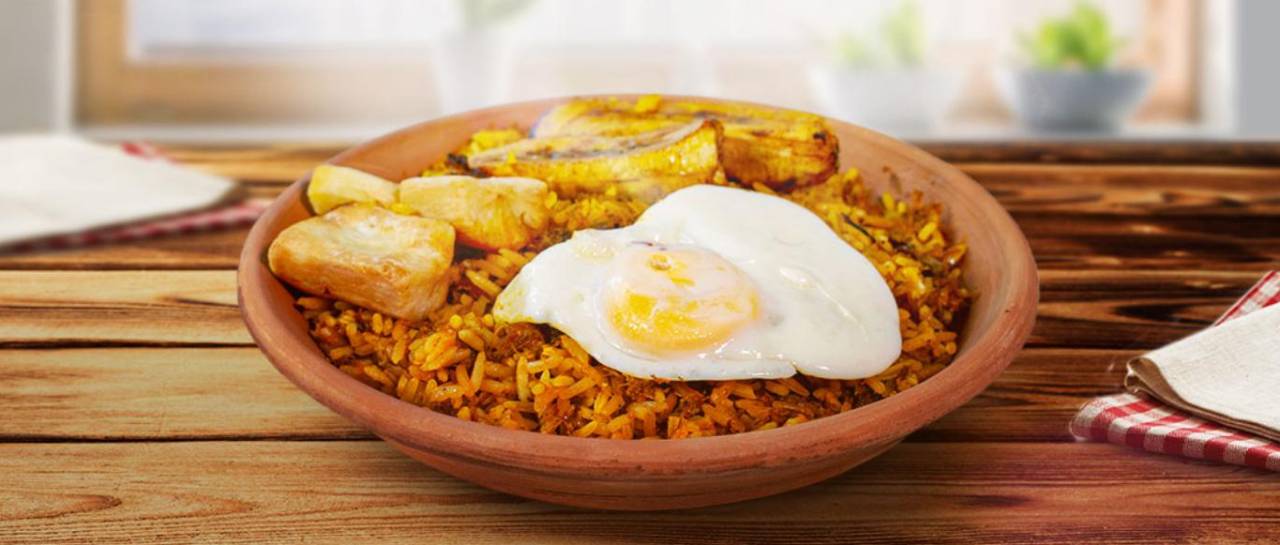
[Photo: Social Media] / Majadito,typical dish of Santa Cruz.
Bolivia commemorates 201 years of Independence, and each department preserves recipes that have been passed down from generation to generation, becoming part of the nation’s culinary heritage.
Santa Cruz
- Majadito: Prepared with rice mixed with shredded dried beef (charque), served with fried ripe plantain and an egg.
- Locro de gallina: A traditional soup made with chicken, rice, and cassava, highly appreciated for its homemade flavor.
Cochabamba
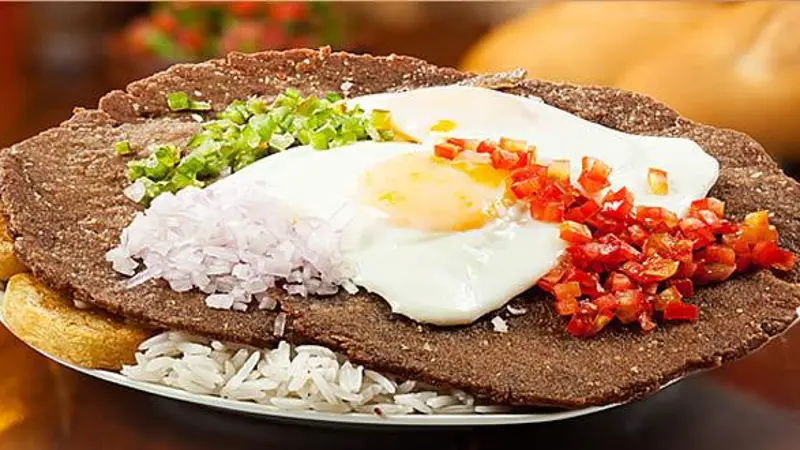
- Silpancho: A thin breaded and fried beef cutlet served over rice and boiled potatoes, topped with a fried egg and a salad of tomato, onion, and locoto pepper.
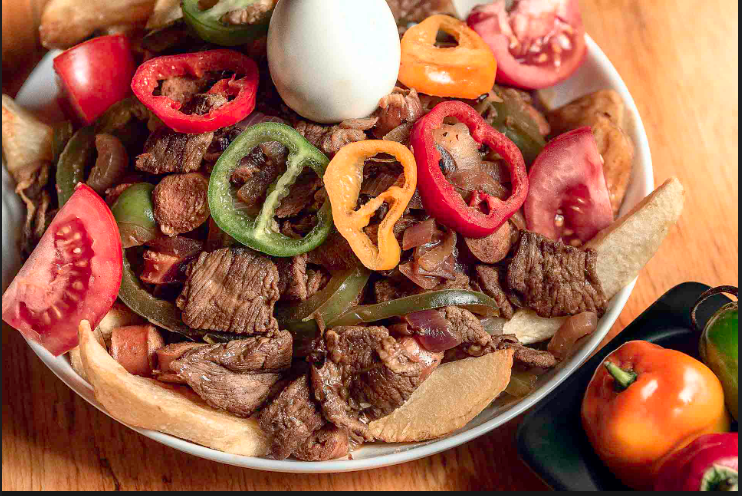
- Pique macho: A hearty combination of beef, sausages, French fries, onion, tomato, and locoto pepper.
La Paz
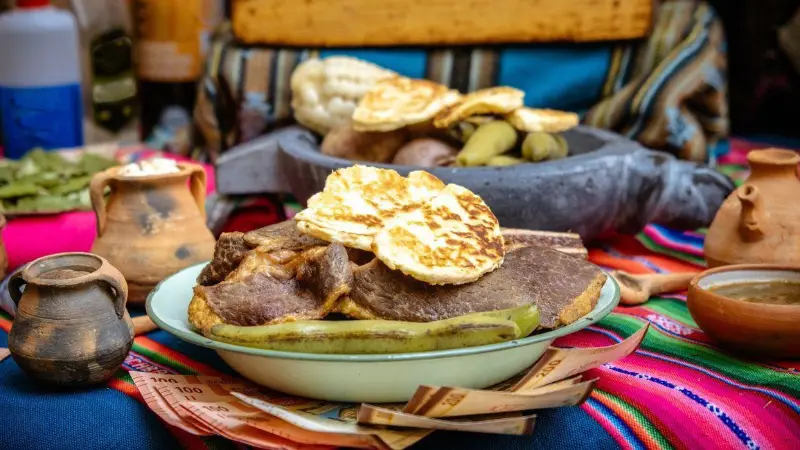
- Plato paceño: Traditionally prepared with broad beans, corn, potatoes, and cheese, though it is now often served with meat or a pork chop.
- Fricasé paceño: A thick pork stew cooked with yellow chili pepper, hominy corn, and freeze-dried potatoes (chuño), commonly eaten in the morning after celebrations.
Sucre
- Mondongo: Made with browned pork, hominy corn, and a red chili sauce.
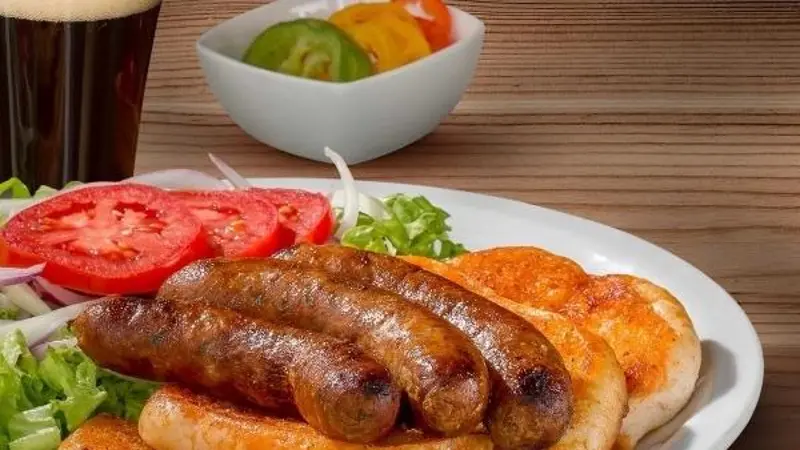
- Chorizo Chuquisaqueño: An artisanal sausage traditionally served with hominy corn, salad, and cassava before midday. especialmente por las mañanas después de las celebraciones.
Each of these dishes reflects the diversity of ingredients, culinary techniques, and traditions that make Bolivian cuisine one of the country’s greatest sources of pride.
Por Arely Bautista, Unitel:
En el aniversario 201 de la Independencia de Bolivia, la gastronomía se convierte en una de las mayores muestras de identidad
[Foto: RRSS] / Majadito, plato típico de Santa Cruz.
Bolivia conmemora 201 años de Independencia y cada departamento conserva recetas que han pasado de generación en generación y que hoy forman parte del patrimonio culinario nacional.
Santa Cruz
- Majadito: preparado con arroz mezclado con charque desmenuzado y acompañado de plátano maduro frito y huevo.
- Locro de gallina, una sopa elaborada con gallina, arroz y yuca, muy apreciada por su sabor casero.
Cochabamba
- Silpancho, una fina carne de res apanada y frita servida sobre arroz y papa cocida, coronada con huevo frito y ensalada de tomate, cebolla y locoto.
- El pique macho, una contundente combinación de carne de res, salchichas, papas fritas, cebolla, tomate y locoto.
La Paz
- El tradicional plato paceño: elaborado originalmente con haba, choclo, papa y queso, aunque actualmente suele acompañarse con carne o chuleta.
- El fricasé paceño, un caldo espeso de cerdo cocinado con ají amarillo, mote y chuño, consumido especialmente por las mañanas después de las celebraciones.
Sucre
- El mondongo: preparado con carne de cerdo dorada, mote de maíz y un ahogado de ají colorado.
- Chorizo chuquisaqueño: un embutido artesanal servido tradicionalmente con mote, ensalada y yuca antes del mediodía.
En cada uno de estos platos se refleja la diversidad de ingredientes, técnicas culinarias y costumbres que hacen de la gastronomía boliviana uno de los mayores orgullos del país.


Leave a Reply