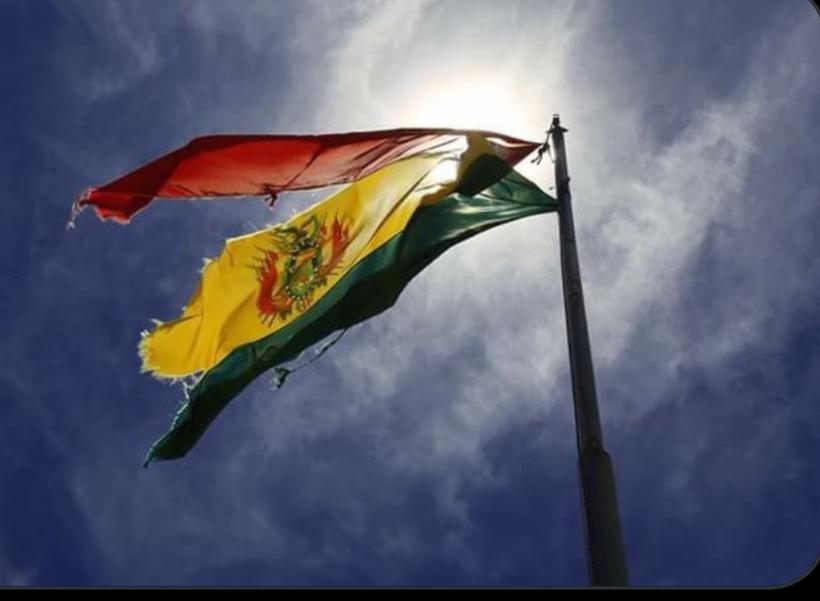
By El Diario:
As Bolivia marks 201 years since independence, the country is grappling with one of its most challenging economic periods in decades, forcing authorities to pursue a series of measures aimed at restoring stability.
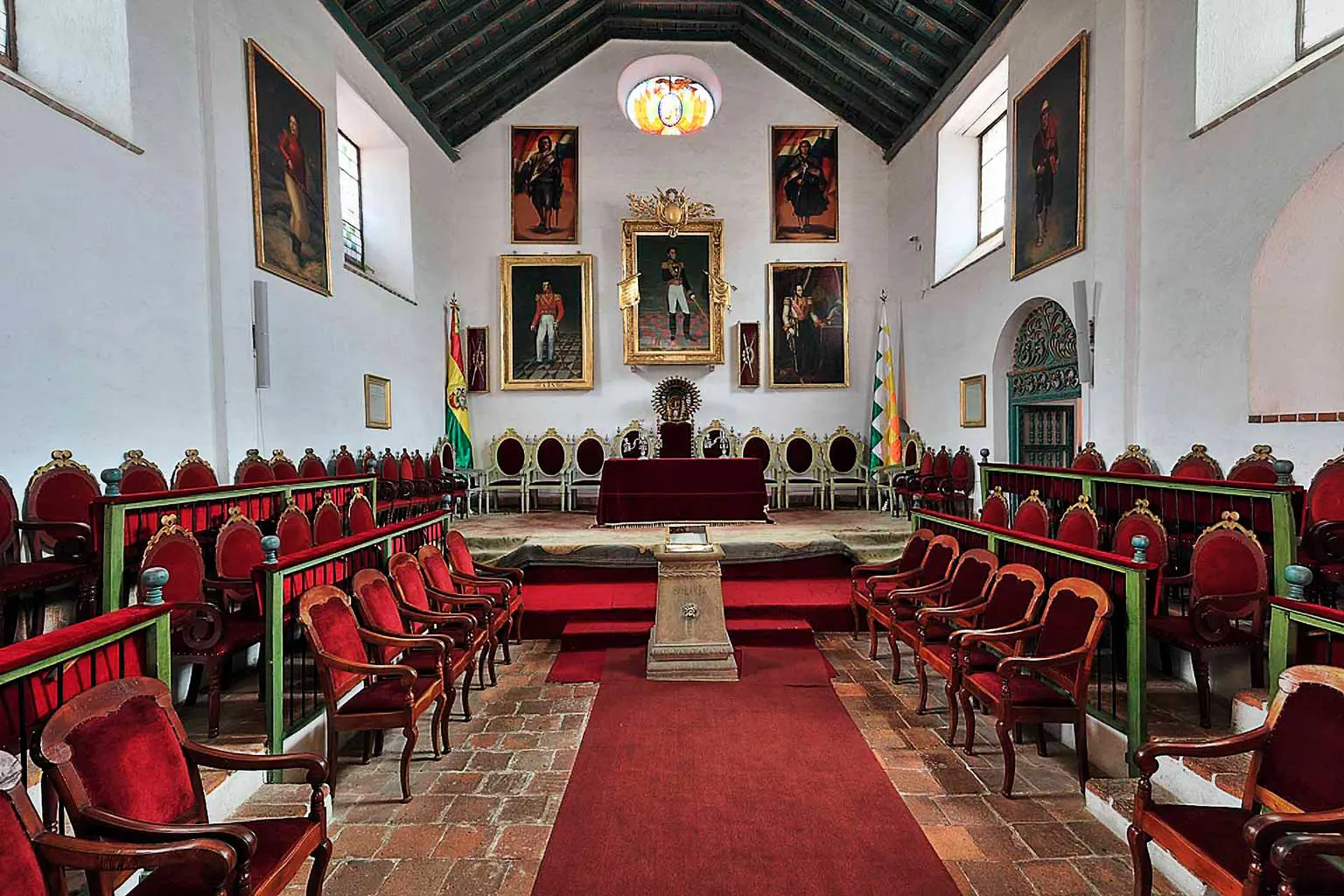
Founded on August 6, 1825, following the final phase of the independence campaigns led by Simón Bolívar and Antonio José de Sucre, Bolivia now faces mounting economic pressures, including a shortage of foreign currency, fuel supply constraints, and rising living costs. The administration of President Rodrigo Paz has responded with a partial reduction of fuel subsidies, efforts to secure international financing, and adjustments to the foreign-exchange market.
Throughout much of its republican history, recurring political instability and social unrest have complicated governance and hindered economic development. Successive confrontations between political factions and periodic sectoral protests have contributed to uncertainty, disrupting economic activity and investment.
The creation of the Plurinational State 16 years ago was intended to establish a more inclusive political framework based on shared power among Bolivia’s diverse nations and peoples. Yet despite benefiting from a commodity-driven economic boom, the country became increasingly consumed by struggles over political and economic control, according to analysts.
Economists and political observers argue that policies pursued during successive administrations of the Movement Toward Socialism (MAS) weakened public-sector management and delayed key structural projects. They contend that years of dependence on natural-gas revenues, coupled with insufficient economic diversification, left Bolivia vulnerable once export earnings began to decline.
Business leaders say private investment—both domestic and foreign—remained well below potential during the past two decades. They cite concerns over legal certainty, regulatory unpredictability, extensive state intervention in the economy, restrictions on trade and exports, a shortage of hard currency, macroeconomic instability and recurring social conflict as major deterrents to capital inflows.
“Investment depends on confidence and predictability,” said Giovanni Ortuño Camacho, president of the Confederation of Private Businessmen of Bolivia. “When those conditions disappear, capital is delayed, withdrawn or redirected to markets offering better opportunities. Bolivia has enormous potential and abundant resources, but it must create an environment that provides certainty for those willing to invest and create jobs.”
The country’s economic model has historically relied heavily on extractive industries, leaving it exposed to swings in global commodity prices and limiting broader industrial diversification. As Bolivia enters its third century as an independent nation, policymakers face the challenge of restoring confidence, attracting investment and stabilizing an economy under increasing strain.
Por El Diario:
201 años del Día de la Independencia
- La economía nacional sufrió una dependencia histórica del modelo extractivista, lo que la hizo vulnerable a las fluctuaciones de los precios internacionales, limitando la diversificación de la industria.
- El gobierno del presidente Rodrigo Paz implementó planes de ajuste ante la delicada situación económica del país, mientras diversos sectores productivos exigen mayores certezas.
Un 6 de agosto de 1825, Bolivia nace a la independencia absoluta entre rebeliones y resistencia, ligada a la fase final de las campañas dirigidas por Simón Bolívar y Antonio José de Sucre; sin embargo, hoy, a 201 años de su existencia, enfrenta una fuerte crisis económica y busca recuperar su estabilidad con medidas como la eliminación parcial de subsidios a los combustibles, la gestión de créditos internacionales, el reajuste del mercado cambiario y con una fuerte presión sobre el costo de vida.
En 185 años de vida republicana, los constantes intentos de desestabilización han obstaculizado la gobernabilidad y el progreso de Bolivia. Las tensiones entre distintas facciones políticas y las protestas sectoriales han generado un clima de incertidumbre que paralizó continuamente al país, agravando las dificultades económicas en diferentes épocas.
Posteriormente, con los 16 años del Estado Plurinacional, el objetivo era que el Estado se construya en función del poder compartido horizontalmente entre múltiples naciones y pueblos, a pesar del “boom económico” que Bolivia experimentó, la pugna por el control político y económico por parte del Movimiento al Socialismo (MAS) ha relegado a Bolivia a un segundo plano.
Analistas, al respecto, sostienen que esta postura política aplicada por los dos gobiernos del “masismo” paralizó la gestión pública, ha estancado los proyectos estructurales, profundizando una severa crisis económica con recesión, escasez de dólares y problemas de combustibles. Ahora, el país se encuentra en una situación complicada, debido al derroche de los recursos generados por la producción y venta de gas natural.
Según los empresarios, durante las dos últimas décadas las inversiones privadas nacionales y extranjeras mantuvieron un nivel insuficiente, muy por debajo de su potencial, la tendencia ha sido claramente de retroceso, afectada por el deterioro de la seguridad jurídica, la creciente incertidumbre normativa, la excesiva intervención estatal en la economía, las restricciones al comercio y a las exportaciones, la escasez de divisas, la inestabilidad macroeconómica y la conflictividad social recurrente.
La inversión requiere confianza y previsibilidad. Cuando esas condiciones desaparecen, el capital se retrae, se posterga o busca destinos con mejores condiciones. Bolivia tiene enormes oportunidades y recursos, pero necesita generar un entorno que brinde certidumbre a quienes están dispuestos a invertir y generar empleo, puntualizó el presidente de la Confederación de Empresarios Privados de Bolivia (CEPB), Giovanni Ortuño Camacho.
https://www.eldiario.net/portal/2026/08/05/bolivia-en-crisis-economica-busca-recuperar-estabilidad/


Leave a Reply