By El Deber:
Bolivia’s Premium Cocoa Seeks a Bigger Share of the Global Chocolate Market

Export growth is creating an opening for Bolivia to move beyond raw cocoa sales and build a higher-value chocolate industry around one of the world’s most distinctive wild cacao beans.
Bolivia will never rival the world’s cocoa powerhouses in volume. Countries such as Côte d’Ivoire, Ghana, Ecuador and Peru produce millions of tons annually, while Bolivia’s output remains comparatively small. Its competitive edge lies elsewhere: quality.
That advantage is increasingly translating into export success. Shipments of Bolivian cocoa and cocoa products generated $11 million in 2025, reaching 16 international markets, according to data compiled by the Bolivian Institute of Foreign Trade (IBCE). Germany was the largest buyer, followed by Belgium, Italy, France and Switzerland—countries where premium quality often commands a higher price. Exports included cocoa beans, cocoa butter and cocoa powder, signaling a gradual expansion into value-added products.
Yet behind the export figures lies a larger question: how can Bolivia capture more of the wealth generated by its highly prized cocoa?
The answer begins with the bean itself.
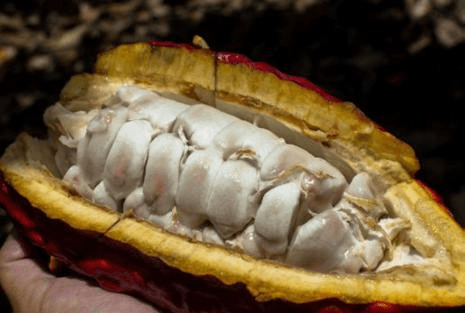
Bolivia is home to a rare wild Amazonian cocoa that grows naturally in the forests of the country’s northern regions. Its genetic diversity and distinctive flavor profile have earned international recognition, helping Bolivia establish a reputation in the niche market for fine-flavor cocoa.
“It’s a wild cocoa with truly remarkable sensory characteristics,” said Susana Guerra, founder of Chocolates Ruah. “It has woody and citrus notes, a rich fat content that gives chocolate exceptional creaminess, and a flavor profile that has won gold and silver awards internationally.”
The country’s strategy differs from that of major producers. Rather than competing on volume, Bolivia has carved out a position in the premium segment, where origin, traceability and flavor matter as much as scale.
But industry leaders argue that international recognition alone is not enough.
The most profitable stage of the cocoa business begins after harvest, when beans are transformed into cocoa butter, liquor, powder and finished chocolate products. Those processing activities can multiply the value of raw cocoa several times over, yet most of Bolivia’s production still leaves the country with limited processing.
As a result, much of the economic value generated by Bolivian cocoa continues to accrue abroad.
“There are vast reserves of wild cocoa in Bolivia, and only a small fraction is currently being utilized,” said Ricardo Sánchez de Lozada, manager of Industrias Forestales Paitití. “With incentives for producers and processors, the country could unlock significant economic potential.”
According to sector specialists, Bolivia’s greatest advantage may be one that competitors cannot easily replicate: extensive reserves of naturally occurring wild cocoa combined with growing global demand for differentiated premium products.
Development agencies working with the sector see a similar opportunity.
Jessica Agüero, portfolio manager for GIZ in Bolivia, Paraguay and Uruguay, said the country must shift from exporting raw materials toward finished products with greater added value.
“Bolivia needs to move from exporting raw commodities to exporting products that have already been designed and enhanced with value,” she said. “Technology and coordination across the entire supply chain remain critical challenges.”
Franz Miralles, deputy director of Swisscontact’s Inclusive Markets project, believes Bolivia should focus on becoming a premium chocolate producer rather than trying to compete with larger cocoa-growing nations.
“Our future is not in exporting raw cocoa,” Miralles said. “Production volumes are limited. What distinguishes us is our wild cocoa, while most of the world produces cultivated varieties. That is our competitive advantage.”
The experience of neighboring Peru offers a potential roadmap. Over the past two decades, Peru invested heavily in producer organizations, technical assistance, certification systems and processing capacity. The result has been a growing export portfolio that increasingly includes cocoa butter, liquor, powder and finished chocolate products rather than simply raw beans.
Bolivia now faces a similar crossroads.
Beyond industrialization, producers must also adapt to changing international regulations. Beginning in 2027, the European Union will implement stricter anti-deforestation requirements, obliging exporters to demonstrate that agricultural products do not originate from land deforested after 2021.
Those issues are expected to dominate discussions at the First National Bolivian Cocoa Conference, scheduled for Aug. 13–15 in the Beni region. Producers, government officials and international development organizations will gather to discuss policies aimed at strengthening the entire cocoa value chain, from cultivation to industrial processing.
“Bolivian cocoa has already earned international recognition for its quality,” said Deputy Minister of Gastronomy Sumaya Prado. “The next step is transforming it into a premium product that receives the value it truly deserves.”
For now, Bolivia remains a supplier of some of the world’s most distinctive cocoa beans. Whether it can transform that reputation into a globally recognized chocolate industry may determine how much of the sector’s future wealth stays at home.
Por El Deber:
Bolivia quiere que su cacao premium también conquiste el negocio mundial
El crecimiento de las exportaciones abre una oportunidad para industrializar uno de los mejores granos del mundo. Bolivia posee un fruto silvestre de muy alto valor
Bolivia nunca competirá con los gigantes mundiales del cacao por volumen. Su fortaleza es otra: la calidad. Mientras Costa de Marfil, Ghana, Ecuador o Perú producen millones de toneladas al año, el país ganó un lugar en el segmento de los cacaos finos y de aroma, reconocidos por sus perfiles sensoriales y su origen silvestre. Ese prestigio vuelve hoy a reflejarse en las exportaciones, pero también plantea un desafío mayor: convertir un producto excepcional en una industria capaz de generar más riqueza.
El Instituto Boliviano de Comercio Exterior (IBCE) informó que las exportaciones de cacao y sus derivados alcanzaron los $us 11 millones en 2025, con un crecimiento del 379% en valor respecto al año anterior. Alemania encabezó las compras, seguida por Bélgica, Italia, Francia y Suiza, mercados donde la calidad pesa tanto como el precio. La oferta boliviana incluye cacao en grano, manteca, polvo y otros derivados, una señal de que el país empieza a ampliar su participación en la cadena de transformación.
Las cifras muestran una recuperación comercial, pero no explican por qué un país de producción relativamente pequeña consigue abrirse espacio en mercados tan exigentes. La respuesta está en el propio grano y en una riqueza genética que pocos competidores pueden ofrecer.
“Es un cacao silvestre que tiene toques sensoriales realmente maravillosos. No por nada está premiado como oro y plata a nivel mundial. Tiene perfiles maderables, cítricos y un porcentaje de grasa que le da esa cremosidad al chocolate. Es realmente perfecto nuestro grano de cacao”, afirma Susana Guerra, creadora de Chocolates Ruah.
Una parte de esa reputación proviene del cacao silvestre amazónico, que crece de forma natural en los bosques del norte boliviano. Esa diversidad genética permitió que muestras nacionales fueran distinguidas en distintas ediciones de los International Cocoa Awards, consolidando la imagen del país como productor de cacao fino y de aroma. Más que competir por cantidad, Bolivia encontró un nicho donde el origen y la calidad marcan la diferencia.
Sin embargo, el reconocimiento internacional no garantiza, por sí solo, una industria sólida. El verdadero negocio del cacao comienza cuando el grano se transforma en manteca, licor, polvo, chocolate y otros productos capaces de multiplicar varias veces el valor de la materia prima. Ahí es donde Bolivia todavía tiene un largo camino por recorrer.
Aunque el país comenzó a exportar más derivados, la mayor parte del cacao sigue saliendo como materia prima o con un procesamiento limitado. El mayor margen económico permanece en los países donde se industrializa.
Para Ricardo Sánchez de Lozada, gerente de Industrias Forestales Paitití, el potencial nacional aún está lejos de aprovecharse. “Hay grandes reservas de cacao silvestre en el país. Apenas se usa un porcentaje pequeño de todas estas reservas. Con incentivos para productores y transformadores se puede rescatar ese potencial y generar un gran impacto”, sostiene.
El ejecutivo considera que Bolivia posee una ventaja difícil de replicar: extensas áreas de cacao silvestre y una creciente demanda internacional por productos diferenciados. Pero advierte que ese patrimonio solo se traducirá en desarrollo económico si el país fortalece toda la cadena, desde la producción hasta la transformación industrial y la comercialización.
Organismos de cooperación que trabajan con el sector coinciden en ese diagnóstico. Jessica Agüero, gerente de portafolio de GIZ para Bolivia, Paraguay y Uruguay, sostiene que el país debe pasar de exportar materia prima a vender productos terminados con mayor valor agregado.
“Bolivia debe pasar de ser exportador de materia prima a exportar el producto ya diseñado con valor agregado. Coordinarnos para poder mejorar ese eslabón de cada parte, desde la producción hasta la venta, nos falta tecnología, es un tema que nosotros queremos apoyar. El potencial de Bolivia es bastante grande”, subrayó.
En la misma línea, Franz Miralles, director adjunto del proyecto Mercados Inclusivos de Swisscontact, considera que Bolivia no debe competir por volumen, sino posicionarse como productor de chocolate premium elaborado con cacao silvestre.
“Lo que tenemos que hacer es exportar producto terminado, no materia prima, porque en volúmenes de producción no tenemos mucho. Tenemos un cacao que nos diferencia, un cacao silvestre, porque en el mundo producen cacao cultivado, esa es nuestra ventaja competitiva y comparativa”, destacó.
La experiencia peruana demuestra que el valor del cacao no depende únicamente de la cosecha, sino de la capacidad para organizar la producción. Durante más de dos décadas Perú impulsó programas de asistencia técnica, certificaciones, organización de productores e inversiones para transformar el grano. Hoy exporta cada vez más manteca, licor, polvo y chocolate y consolida su presencia en los mercados internacionales.
Miralles enfatiza que al desafío de industrialización se suma la adaptación a nuevas exigencias internacionales y señala que la Unión Europea comenzará a aplicar desde 2027 su reglamento de no deforestación, que exigirá demostrar que los productos agrícolas exportados no provienen de áreas deforestadas después de 2021.
El desafío de avanzar hacia la transformación será uno de los ejes del Primer Encuentro Nacional del Cacao Boliviano, que reunirá del 13 al 15 de agosto a centenares de productores, autoridades y organismos de cooperación internacional, en Beni. El objetivo es articular políticas que fortalezcan toda la cadena, desde la producción hasta la industrialización.
“Esperamos que este sea el inicio de un trabajo conjunto donde podamos llevar el cacao boliviano a su máxima expresión. Su calidad fue reconocida a nivel internacional, ahora falta que lo volvamos un producto de alto nivel y que le demos el valor que realmente merece”, expresó la viceministra de Gastronomía, Sumaya Prado.
Mientras Bolivia continúe vendiendo principalmente materia prima, buena parte de la riqueza seguirá generándose fuera de sus fronteras.
A considerar
– El 40% del cacao boliviano corresponde a variedades silvestres, un patrimonio genético que distingue al país en el mercado premium
– El 1% de las reservas de cacao silvestre del país se aprovecha actualmente, según los expertos del sector consultados
– Alemania lidera la demanda del cacao boliviano en los mercados más exigentes
https://eldeber.com.bo/dinero/bolivia-quiere-cacao-premium-conquiste-negocio-mundial_1785880456


Leave a Reply