By Erbol:
Researcher on Mercury Pollution: “We Have the Tools to Hold the State Accountable”
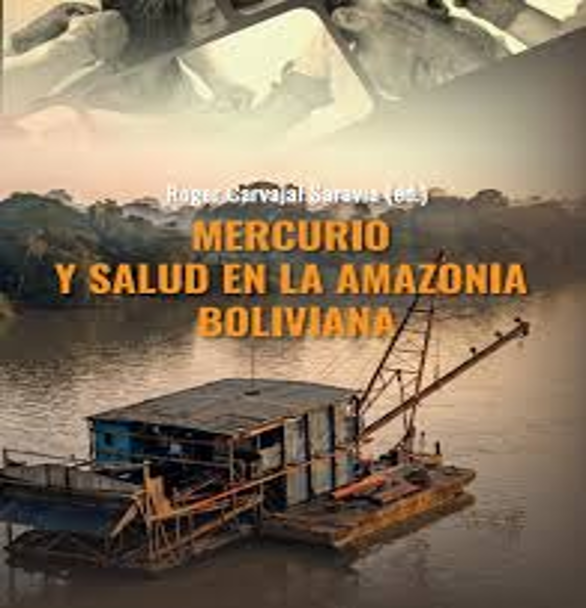
During the presentation of the book Mercury and Health in the Bolivian Amazon, its author, researcher Roger Carvajal, emphasized that the publication provides scientific tools to hold the State accountable for mercury contamination affecting the health of Indigenous communities and caused by gold-mining activities.
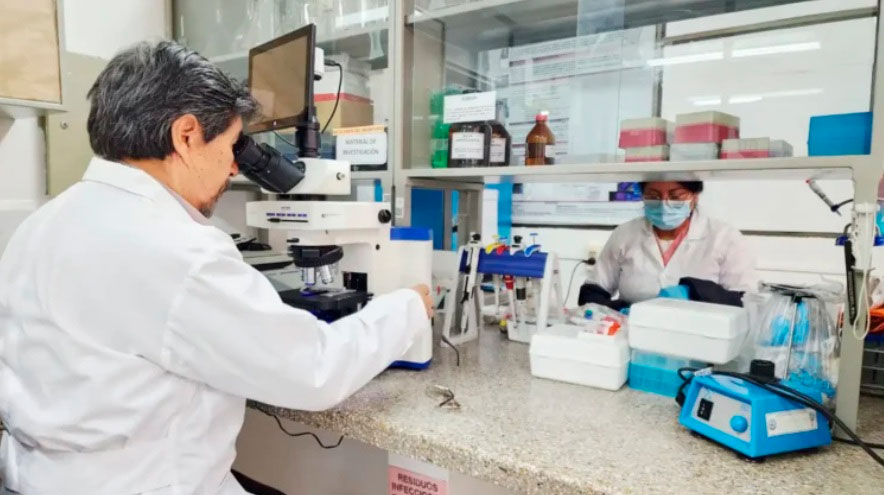
The scientist, head of Biomedicine and researcher at the Health Diagnosis and Research Laboratory Service (SELADIS) of the UMSA, explained the objective of the book presented during the second half of July, highlighting that it is supported by rigorous scientific research, data, and statistics.
“The objective is to provide scientifically grounded tools generated by academia to communities and organizations that defend the environment, so they can challenge the State on documented and critical grounds. Until now, these effects have often been denied, and with this work we are demonstrating that there is indeed harm and damage,” Carvajal stated.
Documented Impacts
Carvajal also stressed the effects of mercury exposure on populations living along the banks of the Beni and Madre de Dios rivers, downstream from mining operations where mercury is used. He underscored the importance of having well-supported research and using it to demand effective action from government authorities.
“It is now documented, and this is the moment when we have the tools to question and hold the State accountable so that it does what it must regarding those responsible for the contamination,” he said. (See: “After El Dorado”: Devastation and Crime Continue in the Amazon, 04/03/22 ANA).
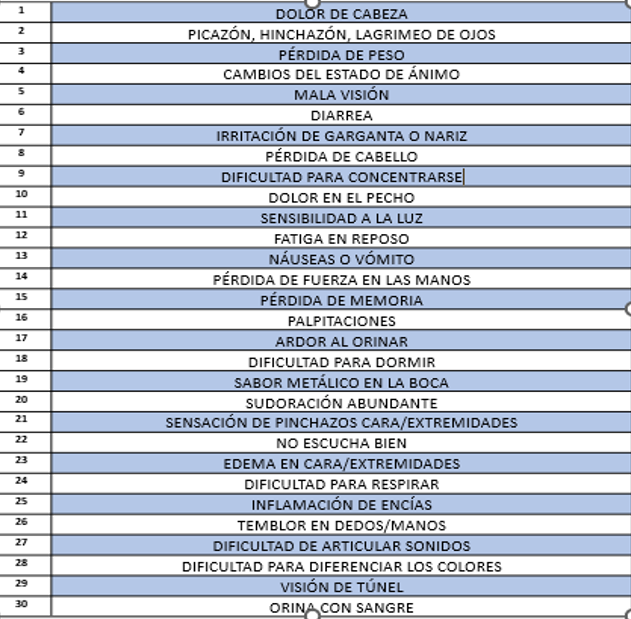
Headaches, skin irritations, nausea, vomiting, memory loss, inflammation, genetic damage (damage to DNA), as well as harm to the brain, stomach, and liver, cardiovascular risks, and neurological disorders, among other consequences, are linked to the consumption of food—particularly fish—contaminated with mercury.
For his part, Tito Estévez, Vice Rector of the Universidad Mayor de San Andrés (UMSA), who participated in the book presentation, emphasized the need to disseminate these studies and take a more active role in protecting vulnerable populations.
“As an academic institution, we cannot remain indifferent. It is urgent to disseminate these rigorous studies, promote debate, and assume an active role in protecting the health of our Amazonian populations and their ecosystems,” he stated.
Mercury and Health in the Bolivian Amazon is divided into two sections. The first provides context on the mercury problem in the Amazon, as well as the resources employed and the results obtained. The second section is more technical, while remaining accessible and rigorous, offering graphs, diagrams, and statistical tables.
Expectations Regarding UMSA Research
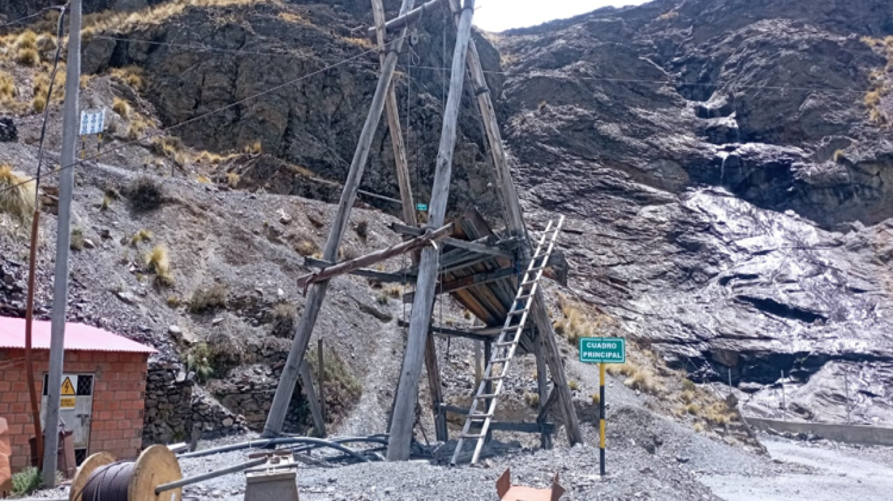
On the occasion, Carvajal acknowledged that mining facilities also exist near reservoirs such as Hampaturi and Incachaca, which supply water to the city of La Paz and neighboring municipalities. He emphasized the need for thoroughly documented analyses to be conducted soon.
“We know there are complaints, but they must be documented. Several institutions are already working on this, nearly all of them from UMSA—the Institute of Ecology and the Institute of Sanitary Engineering. We hope they can do so as quickly as possible,” he said.
Journalistic investigations based on multiple complaints confirmed the existence of mining installations (mine shafts and machinery) only a few meters from the Incachaca and Hampaturi reservoirs, potentially causing water contamination in the area. Authorities from different levels of government have visited the sites to assess the situation. (See: Mining Installations Just Meters from the Incachaca Reservoir That Supplies Water to La Paz, 27/09/25 ANA; Former “Solución” Mine in Hampaturi Continues to Generate Water Contamination, 11/02/26 ANA).
The fieldwork received support from the Toxicology Institute of the University of Cartagena, the Documentation and Information Center Bolivia (CEDIB), and the National Coordinator for the Defense of Indigenous, Native Peasant Territories and Protected Areas (CONTIOCAP).
In this regard, the research demonstrates that the effects of mercury exposure are alarming and have significant implications for public policy: “Nine out of ten women showed total mercury concentrations in hair above 1 part per million (ppm), and seven out of ten exhibited levels associated with cardiovascular risk.”
It was also observed that “cases with the highest mercury levels displayed a troubling laboratory profile, consistent with liver and kidney impairment, inflammation, oxidative stress, and hematological alterations, with particular emphasis on anemia.”
Por Erbol:
Investigador sobre contaminación por mercurio: “Tenemos los instrumentos para interpelar al Estado”
En ocasión de la presentación del libro “Mercurio y salud en la Amazonía boliviana”, su autor, el investigador Roger Carvajal destacó que el texto cuenta con los instrumentos (científicos) para interpelar al Estado frente a la contaminación por mercurio que afecta a la salud de las comunidades indígenas y que es provocada por la actividad de la minería del oro.
El científico, jefe de Biomedicina e investigador del Servicio de Laboratorio de Diagnóstico e Investigación en Salud (Seladis) de la UMSA definió el objetivo del libro presentado durante la segunda quincena del mes de julio a tiempo de señalar que ello conjuntamente a las investigaciones, datos y estadísticas rigurosamente científicos.
“El objetivo es darles instrumentos de orden científico generados por la academia a las comunidades, a las organizaciones que defienden al medio ambiente para que interpelen al Estado sobre bases documentadas, críticas, porque hasta ahora se ha ido negando esos efectos y con esto estamos demostrando que sí hay afectación y daño”, señaló Carvajal.
Afectaciones documentadas
Paralelamente, Carvajal hizo énfasis en la afectación provocada por el mercurio en la población que vive en las riberas de los ríos Beni y Madre de Dios, aguas debajo de las minas donde se utiliza mercurio destacando la importancia de contar con investigaciones ampliamente respaldadas y con ellas en mano exigir a las autoridades gubernamentales una actuación efectiva:
“Entonces está documentado, y bueno, ahora es cuando tenemos los instrumentos para poder cuestionar, interpelar al Estado y haga lo que tiene que hacer con estas causantes de la contaminación”. (v. “Tras el Dorado”: continúa devastación y delincuencia en la Amazonía, 04/03/22 ANA).
Dolor de cabeza, irritaciones, náuseas, vómitos, pérdida de memoria, inflamaciones, además de daños genéticos (daños en el DNA [ácido dixorribonucleico]), además de afectaciones al cerebro, al estómago, al hígado, riesgos cardiovasculares y problemas neurológicos, entre otros, son consecuencias del consumo de alimentos (pescado) contaminado con mercurio.
Por su parte Tito Estévez, vicerrector de la Universidad Mayor de San Andrés (UMSA), quien participó en la presentación del libro, remarcó la necesidad de difundir esos estudios y adoptar un papel efectivo en la protección de los pueblos:
“Como academia, no podemos ser indiferentes. Es urgente difundir estos estudios rigurosos, promover el debate y asumir un rol activo para proteger la salud de nuestras poblaciones amazónicas y sus ecosistemas”, afirmó.
“Mercurio y salud en la Amazonía boliviana” presenta dos partes, la primera es un contexto de la problemática del mercurio en la Amazonía, así como los recursos empleados y los resultados alcanzados y una segunda que es más técnica sin dejar de ser rigurosa ofreciendo gráficos, esquemas y cuadros estadísticos.
Expectativa sobre investigaciones de la UMSA
En la oportunidad, Carvajal reconoció que también existen instalaciones mineras en proximidades de las represas que como Hampaturi e Incachaca abastecen a la ciudad de La Paz y a los municipios vecinos, enfatizando en que pronto se hagan análisis suficientemente documentados:
“Sabemos que hay denuncias, pero habrá que documentarlas y hay instituciones que están ya trabajando, casi todas son de la UMSA, Instituto de Ecología, Instituto de Ingeniería Sanitaria, esperemos que lo hagan a la brevedad posible”, expresó.
Investigaciones periodísticas en base a múltiples denuncias comprobaron la existencia de instalaciones mineras (socavones y maquinaria) a pocos metros de las represas de Incachaca y Hanpaturi, lo que podría provocar contaminación de las aguas del sector. Al respecto autoridades de diferentes niveles de gobierno fueron al sector para evidenciar la situación (“Instalaciones mineras a metros de la represa de Incachaca que alimenta de agua a La Paz”, 27/09/25 ANA; “Ex mina “Solución” en Hampaturi continúa generando contaminación acuífera”, 11/02/26 ANA).
El trabajo de campo contó con el apoyo del Instituto de Toxicología de la Universidad de Cartagena, el Centro de Documentación e Información Bolivia (CEDIB) y la Coordinadora Nacional en Defensa de Territorios Indígena Originarios Campesinos y Áreas Protegidas (Contiocap).
En ese sentido, la investigación realizada demuestra que los resultados del mercurio son alarmantes e implican a la política pública: “nueve de cada diez mujeres presentaron concentraciones de mercurio total en cabello por encima de 1 parte por millón (ppm) y siete de cada diez presentaron rangos asociados con riesgo cardiovascular”.
Se observó que “los casos con niveles más elevados exhibieron un patrón de laboratorio preocupante, compatible con compromiso hepático y renal, inflamación, estrés oxidativo y alteraciones hematológicas, con énfasis en anemia”.


Leave a Reply