By Vision 360:
The Lord of Great Power: The Story of the Colonial Painting That Gave Rise to One of Bolivia’s Largest Festivities
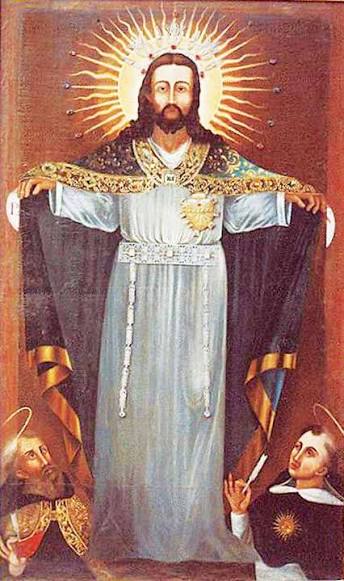
The image of the “Three-Faced Jesus,” an 18th-century sacred artwork, arrived in the Chijini neighborhood in the 1920s as part of a religious dowry. Devotion to the image led to the construction of the Lord of Great Power Sanctuary and shaped a history of faith, tradition, and neighborhood disputes.
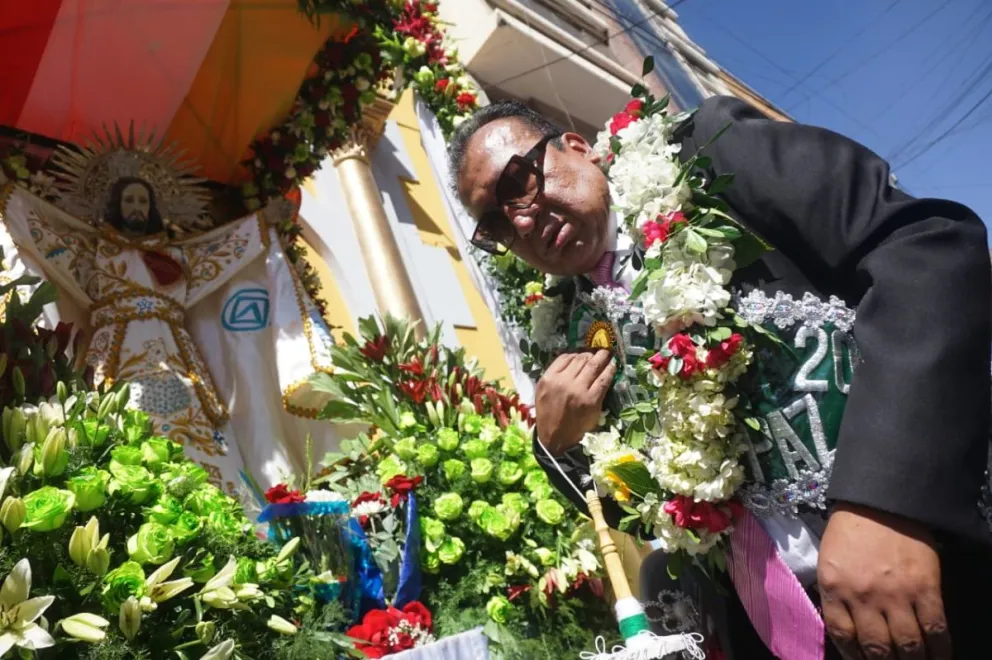
A member of a fraternity greets the Tata of Great Power during the Promesa ceremony held on July 26. Photo: APG
The history of the Lord of Great Power Sanctuary, located on Gallardo Street in La Paz, is closely linked to an 18th-century colonial painting that arrived in the Chijini neighborhood—today known as Gran Poder—in the 1920s and eventually became the centerpiece of one of Bolivia’s most important cultural and religious expressions.
The artwork, known as the “Three-Faced Jesus” or Jesus of the Holy Trinity, is considered part of Bolivia’s national heritage. Created by an anonymous artist and believed to belong to either the Cusco or Potosí school of art, it represents the mystery of the Holy Trinity: the Father, the Son, and the Holy Spirit embodied in a single figure. According to the tradition preserved by the sanctuary, the painting was produced in the 18th century and belonged to the Carrión family.
When the daughters of the Carrión family entered the Order of the Conceptionist Nuns, the painting was given as part of the dowry that families traditionally provided when a young woman entered religious life. However, when the convent relocated to Miraflores in the 1920s, the nuns disposed of several possessions, including the painting. It eventually came into the hands of one of the family’s servants and later reached the Chijini neighborhood.
Fray Marcelo Ramírez Simón of the Lord of Great Power Sanctuary explained in 2024 that, in its early years, devotion to the image was entirely a neighborhood initiative. Local residents organized the first celebrations, purchased the land where the sanctuary now stands, and built an initial structure to protect the image.
“It was an expression of faith born entirely from the neighbors,” Ramírez said, recalling that the Catholic Church became involved later as devotion grew and increasing numbers of worshippers began visiting the area.
In 1928, the Diocese of La Paz promoted the construction of a new church on Max Paredes Street, where the painting was transferred. The move sparked a dispute between residents of the Gran Poder and Max Paredes neighborhoods, who for years contested ownership of the image. Tensions eventually led to clashes between the two communities.
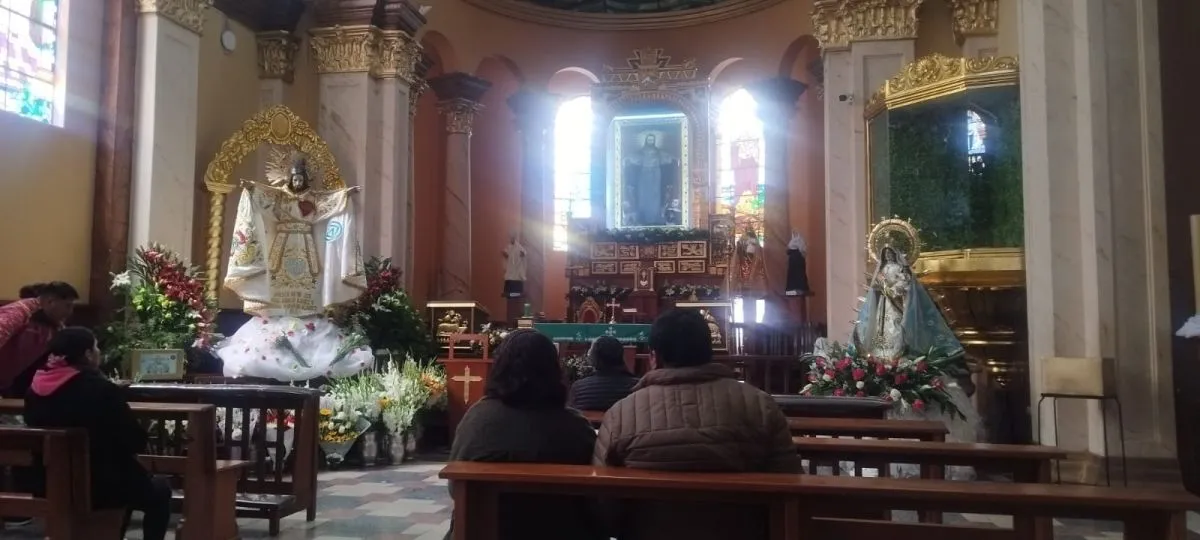
In response, residents of the Gran Poder neighborhood made personal contributions to build their own church and keep the image in the area where devotion had originated. Between 1943 and 1948, they constructed the church now known locally as the “old temple,” which in 1986 was officially designated the Lord of Great Power Sanctuary.
Another episode left a lasting mark on the history of the image. Due to popular interpretations of the three faces of Jesus, Church authorities identified practices they considered inconsistent with Catholic doctrine. According to Ramírez, some people associated the right face with personal requests, the central face with benevolent intentions, and the left face with petitions for revenge.
As a result, in 1930 the Church ordered the painting to be altered by covering the two side faces, transforming the original representation of the Holy Trinity into the image of the Lord of Great Power that worshippers venerate today.
Devotion continued to grow alongside the folkloric celebration. In 1974, the Association of Gran Poder Folkloric Groups was founded to organize the annual parade, which now brings together thousands of dancers and musicians each year.
In 1984, the temple’s history was marked by tragedy when parish priest Miguel Silva was murdered inside the church during a robbery. The crime led the Archdiocese of La Paz to temporarily close the temple and transfer religious activities to the church on Max Paredes Street.
Two years later, in 1986, the doors reopened under a new status: the church ceased functioning as a parish and was declared the Lord of Great Power Sanctuary. “A sanctuary is a church built around a patron, whether a saint, the Virgin Mary, or a particular devotion to Jesus,” Ramírez explained.
Today, the sanctuary’s activities revolve primarily around the Gran Poder celebration. It participates in the pilgrimages of the fraternities, the promises made by dancers, and the main festivities, where a replica of the painting accompanies the parade route because the original work is considered national heritage and requires special conservation measures.
The sanctuary is sustained through its own resources, including collections, religious services, and contributions from worshippers, fraternity members, and institutions. With outside support, restoration and maintenance work is carried out to preserve a space that brings together history, faith, the identity of La Paz, and one of Bolivia’s most renowned cultural expressions.
Por Visión 360:
El Señor del Gran Poder: la historia del lienzo colonial que dio origen a una de las fiestas más grandes de Bolivia
La imagen del “Jesús de tres rostros”, una obra de arte sacro del siglo XVIII, llegó a la zona de Chijini en la década de 1920 como parte de una dote religiosa. Su devoción impulsó la construcción del Santuario del Señor del Gran Poder y marcó una historia de fe, tradición y disputas vecinales.
Un fraterno saluda al Tata del Gran Poder en la Promesa, realizada el 26 de julio. Foto: APG
La historia del Santuario del Señor del Gran Poder, ubicado en la calle Gallardo de La Paz, está ligada a un lienzo colonial del siglo XVIII que llegó a la zona de Chijini —hoy conocida como Gran Poder— en la década de 1920 y que con el tiempo se convirtió en el centro de una de las manifestaciones culturales y religiosas más importantes de Bolivia.
La obra, conocida como el “Jesús de tres rostros” o Jesús de la Santísima Trinidad, es considerada patrimonio nacional. De autor anónimo y posiblemente perteneciente a la escuela cusqueña o potosina, representa el misterio de la Santísima Trinidad: el Padre, el Hijo y el Espíritu Santo en una sola figura. Según la tradición conservada por el santuario, la pintura fue elaborada en el siglo XVIII y perteneció a la familia Carrión.
Con el ingreso de las hijas de la familia Carrión a la Orden de las Concepcionistas, el lienzo fue entregado como parte de la dote que las familias otorgaban antiguamente cuando una joven ingresaba a la vida religiosa. Sin embargo, cuando el convento se trasladó a Miraflores en la década de 1920, las religiosas se desprendieron de varias pertenencias, entre ellas la pintura, que terminó en manos de una de las sirvientas de la familia y posteriormente llegó a la zona de Chijini.
El fray Marcelo Ramírez Simón, parte del Santuario del Señor del Gran Poder, explicó el 2024 que en sus primeros años la devoción fue una manifestación completamente vecinal. Fueron los habitantes de la zona quienes organizaron las primeras celebraciones, adquirieron el terreno donde actualmente se encuentra el santuario y construyeron una estructura inicial para proteger la imagen.
“Fue una manifestación de fe que nació enteramente de los vecinos”, señaló Ramírez, al recordar que la Iglesia Católica se involucró posteriormente debido al crecimiento de la devoción y la llegada masiva de feligreses a la zona.
En 1928, la diócesis paceña impulsó la construcción de un nuevo templo en la calle Max Paredes, donde fue trasladado el lienzo. Esta decisión generó un conflicto entre los vecinos de Gran Poder y Max Paredes, quienes durante años disputaron la pertenencia de la imagen. La tensión llegó a provocar enfrentamientos entre ambos sectores.
Como respuesta, los habitantes de la zona de Gran Poder realizaron aportes personales para construir su propio templo y mantener la imagen en el barrio donde había nacido la devoción. Entre 1943 y 1948 se levantó la iglesia que actualmente es conocida por los vecinos como el “viejo templo” y que desde 1986 tiene la categoría de Santuario del Señor del Gran Poder.
Otro episodio marcó la historia de la imagen. Debido a interpretaciones populares sobre los tres rostros de Jesús, la Iglesia identificó prácticas consideradas alejadas de la doctrina católica. Según Ramírez, algunas personas atribuían al rostro derecho peticiones personales, al central intenciones benéficas y al izquierdo solicitudes de venganza.
Por esta razón, en 1930 se ordenó modificar la pintura para cubrir los rostros laterales, transformando la representación original de la Santísima Trinidad en la imagen del Señor del Gran Poder que actualmente veneran los feligreses.
La devoción continuó creciendo junto con la festividad folklórica. En 1974 se fundó la Asociación de Conjuntos Folklóricos del Gran Poder, institución encargada de organizar la entrada que cada año reúne a miles de bailarines y músicos.
En 1984, la historia del templo estuvo marcada por un hecho trágico: el párroco Miguel Silva fue asesinado dentro de la iglesia durante un robo. El crimen provocó el cierre temporal del templo por disposición del Arzobispado de La Paz y el traslado de las actividades religiosas al templo de Max Paredes.
Dos años después, en 1986, las puertas volvieron a abrirse, pero con una nueva condición: dejó de funcionar como parroquia y fue declarado Santuario del Señor del Gran Poder. “Un santuario es una iglesia que se construye alrededor de un patrono, sea este un santo, una virgen o una advocación de Jesús”, explicó Ramírez.
Actualmente, el santuario mantiene sus actividades principalmente en torno a la festividad del Gran Poder. Participa en las romerías de las fraternidades, en las promesas de los bailarines y en la celebración central, donde una réplica del lienzo acompaña el recorrido de la entrada debido a que la obra original es considerada patrimonio y requiere medidas especiales de conservación.
El templo se sostiene con recursos propios obtenidos mediante colectas, servicios religiosos y aportes de feligreses, fraternos e instituciones. Con apoyo externo, se realizan trabajos de restauración y mantenimiento para preservar un espacio que reúne historia, fe, identidad paceña y una de las expresiones culturales más reconocidas de Bolivia.


Leave a Reply