By Unitel:
“It’s One Thing to Have a Flexible Exchange Rate and Another to Let the Dollar Climb the Stairs,” Economist Warns
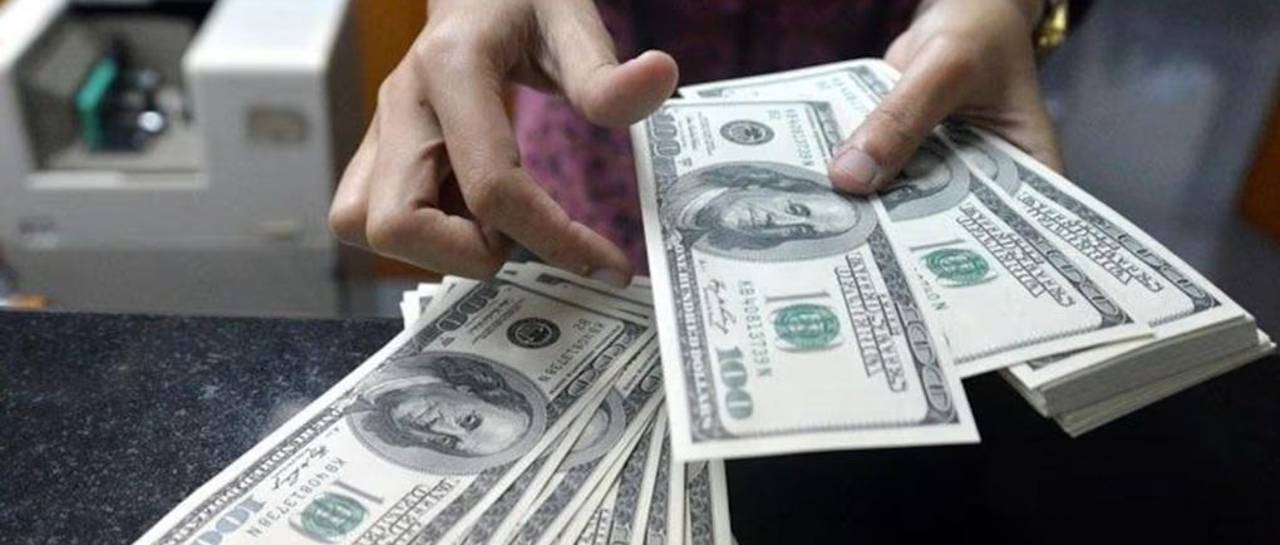
Reference photo
As Bolivia’s official exchange rate for the U.S. dollar continues to rise, economist Gonzalo Chávez said the challenge is not the abandonment of the country’s long-standing fixed exchange-rate system, but the way authorities are managing the transition toward a more flexible regime.
The Central Bank of Bolivia (BCB) set the official exchange rate at Bs 11.54 per dollar for Tuesday, July 28, up 17 centavos from the previous day and extending a steady upward trend since the introduction of the new mechanism.
“The problem is not having abandoned the fixed exchange rate, but how we are managing the transition,” Chávez said. “It is one thing to have a flexible exchange rate and another to let the dollar climb the stairs while the Central Bank watches from the ground floor.”
According to BCB data, the official exchange rate has increased from Bs 9.73 to Bs 11.54 since the flexible system was introduced, representing a cumulative rise of Bs 1.81.
Chávez argued that exchange-rate flexibility should not be interpreted as a one-way movement in which the dollar only appreciates. He noted that most countries operate under managed floating regimes rather than fully free-floating systems, allowing central banks to intervene in currency markets to smooth excessive fluctuations, maintain liquidity and contain inflationary pressures.
“The key difference with genuine flexibility is very simple: the dollar must be able to rise, but it must also be able to fall,” Chávez said. “If we describe a price as ‘flexible’ when it only moves in one direction, we are dealing with a rather unusual form of flexibility — like installing an elevator with only one button.”
The economist said a more structured approach would be to introduce an exchange-rate band, determined by macroeconomic fundamentals such as international reserves, inflation and balance-of-payments conditions.
Under such a framework, the exchange rate would be allowed to fluctuate within predefined limits, while the central bank would retain the ability to intervene during periods of market stress or abnormal volatility by buying or selling foreign currency.
According to Chávez, an exchange-rate band would provide clearer signals to market participants, help anchor expectations and preserve the central bank’s capacity to respond to disruptive movements in the currency market.
Bolivia’s exchange-rate policy has come under increasing scrutiny as the country grapples with declining foreign-currency availability and mounting pressure on its external accounts, prompting policymakers to seek alternatives to the fixed-rate framework that had been in place for more than a decade.
Por Unitel:
“Una cosa es tener un tipo de cambio flexible y otra dejar al dólar subir por las escaleras”, advierte economista
Ante el incremento en la cotización oficial del dólar, el economista Gonzalo Chávez observó que la una verdadera flexibilidad es muy sencilla: el dólar debe poder subir, pero también bajar
Foto referencial
En un contexto en el que la cotización oficial del dólar sigue en ascenso, el economista Gonzalo Chávez consideró que el problema no radica en haber dejado atrás el tipo de cambio fijo, sino en la forma en que se está administrando la transición hacia un régimen flexible.
Desde el Banco Central de Bolivia (BCB) reflejaron que para este martes 28 de julio la cotización de la divisa se fijó en Bs 11,54, es decir, 17 centavos más que la cotización vigente para el dìa anterior (lunes).
“El problema no es haber abandonado el tipo de cambio fijo, sino cómo estamos administrando la transición. Una cosa es tener un tipo de cambio flexible y otra dejar al dólar subir por las escaleras mientras el Banco Central lo mira desde la planta baja”, expresó Chávez.
Desde que comenzó a aplicarse el método flexible, el tipo de cambio pasó de Bs 9,73 a Bs 11,54, un incremento acumulado de Bs 1,81, de acuerdo con los dato del BCB.
Para Chávez, la flexibilidad cambiaria no significa que el dólar solo pueda subir, reflejando que en otros países no predomina una flotación completamente libre, sino una flotación administrada, donde los bancos centrales intervienen comprando o vendiendo divisas para moderar movimientos excesivos, aportar liquidez y evitar que episodios de volatilidad que incidan en la inflación.
”La diferencia fundamental con una verdadera flexibilidad es muy sencilla: el dólar debe poder subir, pero también bajar. Si todos los días llamamos ‘flexible’ a un precio que solamente conoce el camino hacia arriba, tenemos una flexibilidad bastante peculiar: es como instalar un ascensor con un solo botón”, señaló.
Como alternativa, planteó establecer inicialmente una banda cambiaria, la cual tendría que definirse técnicamente en función de las reservas internacionales, la inflación, la balanza de pagos y otros fundamentos macroeconómicos.
Según Chávez, dentro de esa banda el dólar podría fluctuar libremente y, cuando surgieran movimientos desordenados o presiones extraordinarias, el BCB intervendría comprando o vendiendo divisas, dando reglas claras al mercado y preservar la capacidad de actuación de la autoridad monetaria.
https://unitel.bo/noticias/economia/una-cosa-es-tener-un-tipo-de-cambio-flexible-y-otra-dejar-al-dolar-subir-por-las-escaleras-advierte-economista-AM22482615


Leave a Reply