By Arely Bautista, Unitel:
During the commemoration of the 217th anniversary of La Paz’s independence movement, gastronomy once again takes center stage with flavors that are part of the city’s identity and celebrations
Every July 16, La Paz commemorates its liberation movement, and food plays a special role in the festivities.
Among the most representative dishes and beverages are the following:
The traditional plato paceño, which includes corn on the cob, broad beans, fried cheese, and, depending on personal preference, fried meat.
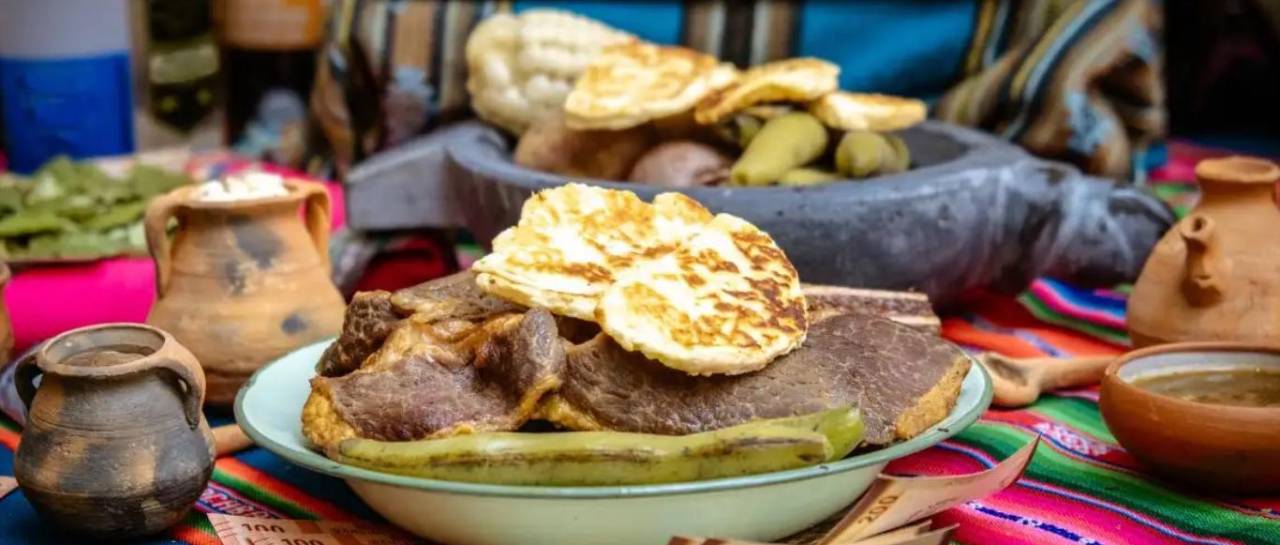
[Photo: Social Media] / The traditional plato paceño
Chairo, a soup made with dried meat, chuño (freeze-dried potatoes), hominy corn, and aromatic herbs such as huacataya, which give it a distinctive and comforting flavor.
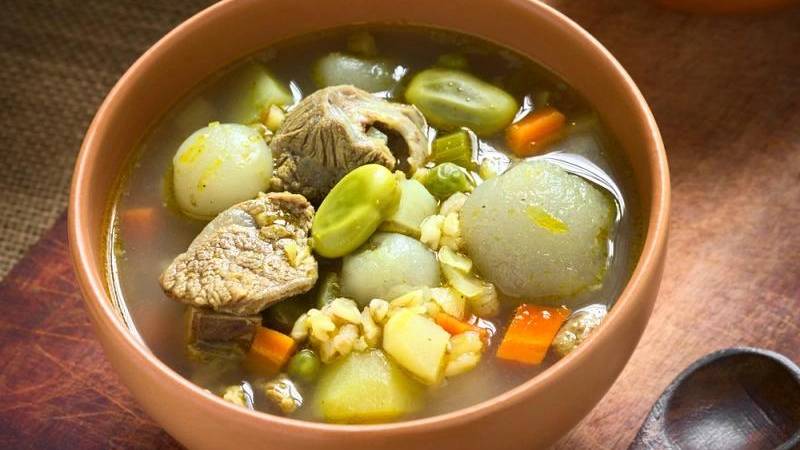
[Photo: Social Media] Chairo soup
Fricasé paceño prepared with pork ribs, hominy corn, and a spicy broth made with yellow chili peppers and spices, is one of the most popular dishes during the celebrations.
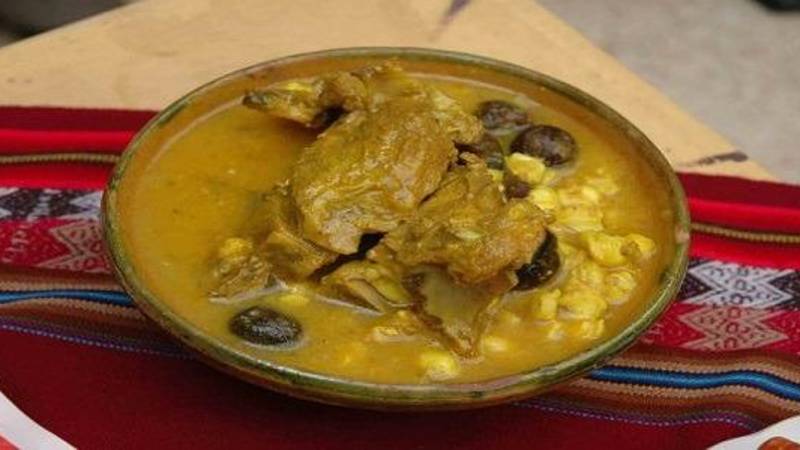
[Photo: Social Media] Fricasé paceño
To cope with July’s cold temperatures, many people choose the traditional sucumbé, a hot beverage originating from the Yungas region of La Paz that contains singani, milk, cinnamon, and egg.
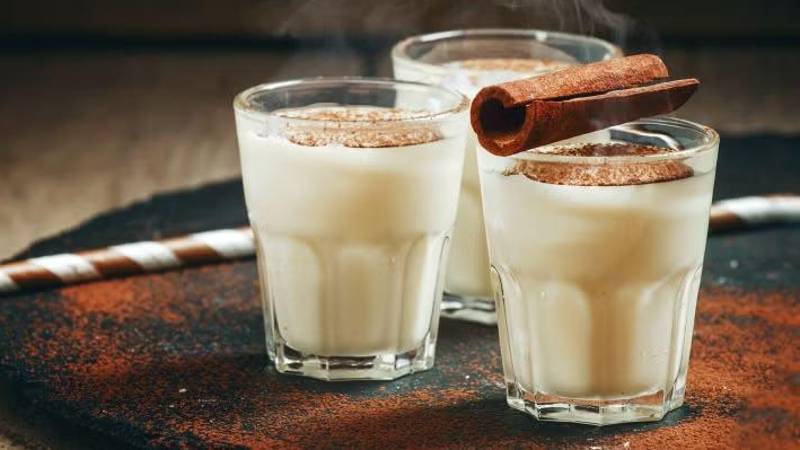
[Photo: Social Media] Sucumbé
Another favorite is the llaucha paceña, a pastry filled with cheese, yellow chili pepper, and plenty of savory juice, enjoyed at any time of the day.
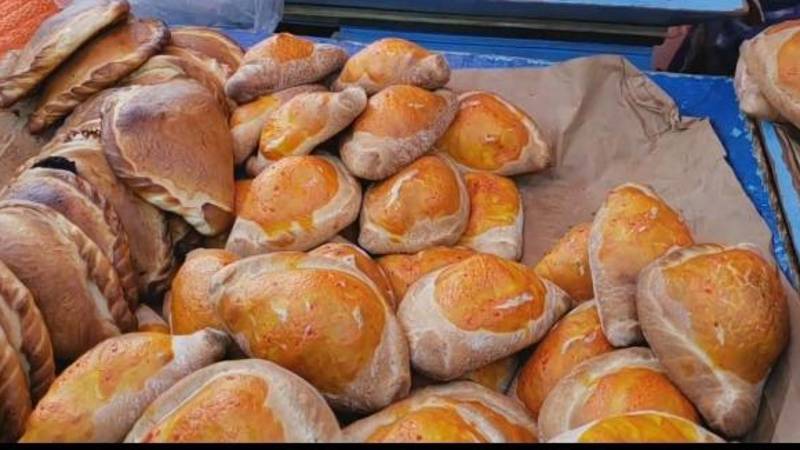
[Photo: Social Media] Llaucha paceña
Durante la conmemoración a los 217 años de la gesta libertaria de La Paz, la gastronomía vuelve a ser protagonista con sabores que forman parte de la identidad y la celebración de los paceños
Cada 16 de julio, La Paz conmemora su gesta libertaria donde la gastronomía ocupa un lugar especial.
Entre los platos y bebidas más representativos destacan las siguientes preparaciones:
El tradicional plato paceño, que tiene choclo, habas, queso frito y según el gusto de cada persona, carne frita.
[Foto: RRSS] / El tradicional plato paceño
Chairo, una sopa elaborada con carne seca, chuño, mote y hierbas aromáticas como la huacataya, que le otorgan un sabor característico y reconfortante.
[Foto: RRSS] Sopa de chairo
El fricasé paceño preparado con costilla de cerdo, mote y un caldo picante a base de ají amarillo y especias, es uno de los platos más consumidos durante las celebraciones.
[Foto: RRSS] Fricasé paceño
Para las bajas temperaturas de julio, muchos optan por el tradicional sucumbé, una bebida caliente originaria de los Yungas paceños que tiene singani, leche, canela y huevo.
[Foto: RRSS] Sucumbé
También está la llaucha paceña, una empanada rellena de queso, ají amarillo y abundante jugo, es una de las favoritas para disfrutar a cualquier hora del día.
[Foto: RRSS] Llaucha paceña


Leave a Reply