By Deisy Ortiz, El Deber:
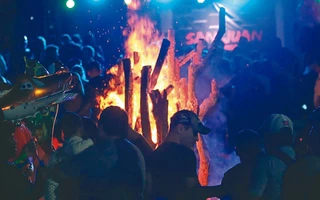
One of the most anticipated celebrations is the patron saint festival in Porongo, where baptisms and processions are part of the program. / Photo: EL DEBER
The festival revives traditions centered around fire, water, and spending time with loved ones. In rural areas, rituals such as bathing in rivers, cattle branding, and hair-cutting ceremonies continue. In Porongo, people also walk across hot embers.
For Hilda Suárez (58), talking about San Juan means returning to her childhood, when the cold June weather brought families together around bonfires and the coldest night of the year became a celebration filled with traditions.
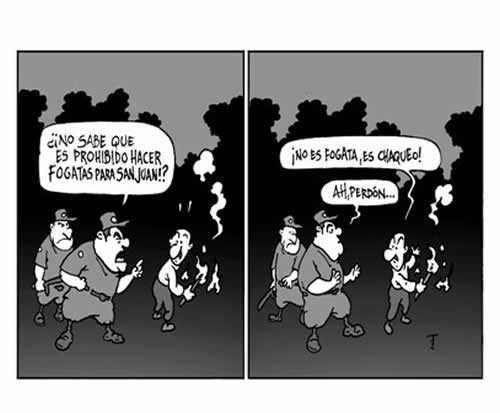
Although lighting bonfires is restricted in cities due to environmental concerns, rural communities still preserve customs involving fire and water to attract prosperity and good health.
Hilda points out that in many provinces, the eve of San Juan remains one of the most eagerly awaited celebrations of the year.
Days before the festival, families gather firewood for the bonfires, around which neighbors and relatives meet to share food and company. In some places, gatherings include hot sucumbé, chorizos, and other traditional foods that help people cope with the low temperatures.
The traditions continue at dawn on June 24. In many communities, one of the first activities of the day is bathing in the river. This custom is linked to the belief that the water is blessed because the celebration honors Saint John, who baptized Jesus.
Residents believe that the cold water does not make people sick and, on the contrary, helps strengthen their health.
In the Chaco region, the festival is also closely tied to cattle ranching. San Juan is celebrated through cattle-branding events, during which producers and their families gather at the corrals to identify and mark livestock.
The work lasts throughout the day. While handling the cattle, a cow is slaughtered to prepare a communal barbecue. Some families preserve ancient practices of giving thanks to the earth by burying the animal’s entrails or blood beneath a stone placed in the corral as an offering to request prosperity and a productive year.
Preparations begin a week in advance by gathering cattle from the fields and moving them to the pastures.
Children also take part in the celebrations. On the night of June 23, they build small corrals out of sand. The next day, they examine the footprints left behind. According to tradition, these tracks reveal which animals will thrive or which products will be abundant during the year.
Alcira López recalls that in Tarija, children eagerly awaited the celebration to laugh at the new haircuts of younger children and participate in playful pranks that were part of the festivities. Although many of these customs have disappeared, she says they are still preserved in some provinces.
“In the cities, bonfires are no longer allowed, although many families keep the spirit of the celebration alive with artificial bonfires,” she explains.
She notes that water also plays a special role in San Juan celebrations. Before sunrise, mothers and grandmothers would enter children’s bedrooms carrying a glass of water. While invoking Saint John’s name, they would splash water on the children’s faces, waking them with a start amid the laughter of the family. This tradition remains alive in rural areas, where many people also bathe in rivers, streams, or lagoons.
The custom is connected to an old popular belief: bathing or getting wet on San Juan helps strengthen health and ward off illness throughout the rest of the year.
Another eagerly awaited tradition was the tiliada, in which children received their first haircut.
For the occasion, their hair was braided, and a gathering of relatives, godparents, and friends was organized. Each person granted the privilege of cutting a lock of hair was expected to leave money or a gift. After the tiliada, the celebrations would begin. According to tradition, cutting and washing one’s hair during San Juan helps prevent hair loss and promotes growth.
On the eve of San Juan, many people strengthen friendships by jumping over the bonfire while holding hands. Others believe that if they make a wish, it will come true.
In Porongo, the celebration is especially significant because it is the town’s patron saint festival, featuring baptisms, processions, and the traditional walking on hot embers.
ORIGIN OF THE FESTIVAL
San Juan is celebrated every June 24 to commemorate the birth of Saint John the Baptist, a central figure in Christianity known for baptizing Jesus in the Jordan River. The date was established six months before Christmas because the Gospel states that John was born six months before Jesus.
Por Deisy Ortiz, El Deber:
Una de las celebraciones más esperadas es la fiesta patronal de Porongo, donde los bau-tizos y las procesiones son parte del programa./Foto: EL DEBER
La fiesta revive tradiciones alrededor del fuego, el agua y la convivencia con los seres queridos. En el área rural persisten rituales como bañarse en ríos, la marcada de ganado y el corte de cabello. En Porongo se realiza la pisada de brasas.
Hablar de San Juan para Hilda Suárez (58) es regresar a los años de su infancia, cuando el frío de junio reunía a las familias alrededor de las fogatas y la noche más fría del año se convertía en una fiesta llena de tradiciones.
Si bien en las ciudades el encendido de fogatas está restringido por temas medioambientales, en el área rural perduran costumbres alrededor del fuego y el agua para atraer prosperidad y buena salud.
Hilda destaca que en muchas provincias la víspera de San Juan sigue siendo una de las celebraciones más esperadas del año.
Días antes de la fiesta, las familias recolectan la leña para las fogatas, alrededor de las cuales se congregan vecinos y parientes para compartir. En algunos lugares, la reunión se acompaña con sucumbé caliente, chorizos y otras comidas típicas que ayudan a combatir las bajas temperaturas.
Las tradiciones continúan al amanecer del 24 de junio. En varias comunidades, una de las primeras actividades del día es bañarse en el río. La costumbre está ligada a la creencia de que el agua es bendita por la relación de la festividad con San Juan, quien bautizó a Jesús.
Los pobladores confían en que el agua fría no enferma y que, por el contrario, ayuda a fortalecer la salud.
En el Chaco, la festividad tiene además un fuerte vínculo con la actividad ganadera. San Juan se celebra en torno a la marcada de reses y es una jornada en la que productores y familias se reúnen en los corrales para señalar y marcar a los animales.
La faena se extiende durante todo el día. Mientras se realiza el trabajo con el ganado, se carnea una res para compartir un asado. Algunas familias conservan antiguas prácticas de agradecimiento a la tierra, enterrando las menudencias o la sangre del animal bajo una piedra colocada en el corral como una ofrenda destinada a pedir prosperidad y buena producción.
La actividad comienza con una semana de anticipación con el juntado del ganado de los campos para llevarlos a los potreros.
Los niños también celebran. La noche del 23 de junio arman corrales de arena y, al día siguiente, acuden a observar las huellas que quedaron marcadas en la tierra. Según la tradición, las pisadas permiten interpretar qué animales se criarán o qué productos abundarán durante el año.
Alcira López recuerda que en Tarija los más chicos también esperaban con entusiasmo la celebración para reírse de los cortes de cabello de los más pequeños y participar en las travesuras que formaban parte de la festividad. Aunque muchas de esas costumbres han desaparecido, Alcira asegura que todavía se conservan en algunas provincias.
“En las ciudades ya no se pueden hacer fogatas, aunque muchas familias mantienen el espíritu de la fiesta con fogatas artificiales”, comenta.
Señala que el agua también ocupa un lugar especial en las celebraciones de San Juan. Recuerda que antes del amanecer, las madres y abuelas entraban a los dormitorios de los niños con un vaso de agua en la mano. Mientras mencionaban el nombre de San Juan, les rociaban agua en el rostro, provocando que despierten a sobresaltos en medio de las carcajadas familiares. La tradición se mantiene en el área rural, donde muchos también van al río, arroyos o lagunas a bañarse.
La costumbre está relacionada con una antigua creencia popular: bañarse o mojarse en San Juan ayuda a fortalecer la salud y aleja las enfermedades durante el resto del año.
Otra de las prácticas más esperadas era ‘tiliada’, en la que los niños recibían su primer corte de cabello.
Para la ocasión, les hacían trenzas o simbas y se organizaba una reunión con familiares, padrinos y amigos. Cada persona que tenía el privilegio de cortar un mechón debía dejar una contribución económica o un regalo. Después de la ‘tiliada’ comenzaban los festejos. Según la tradición, cortarse y lavarse el cabello durante San Juan ayuda a evitar su caída y al crecimiento.
En la víspera de San Juan, más de uno ha fortalecido la amistad con alguna persona, toda vez que se acostumbra a saltar la fogata tomados de la mano. Otros creen que si piden un deseo, se le cumplirá.
En Porongo la celebración es especial, porque es la fiesta patronal, donde hay bautizos, procesiones y pisada de brasas.
ORIGEN DE LA FIESTA
San Juan se celebra cada 24 de junio, cuando se conmemora el nacimiento de San Juan Bautista, una figura central del cristianismo reconocida por haber bautizado a Jesús en el río Jordán. La fecha fue establecida seis meses antes de la celebración de la Navidad, ya que el Evangelio señala que Juan nació seis meses antes que Jesús.


Leave a Reply