
By Juan Marcelo Gonzáles, Red Uno:
Dunn: “Bolivia needs structural reforms, not just dialogue”
Analyst Jaime Dunn commented on President Rodrigo Paz’s message, stressing that dialogue must be a means for making decisions, not a mechanism for postponing the urgent reforms the country needs.
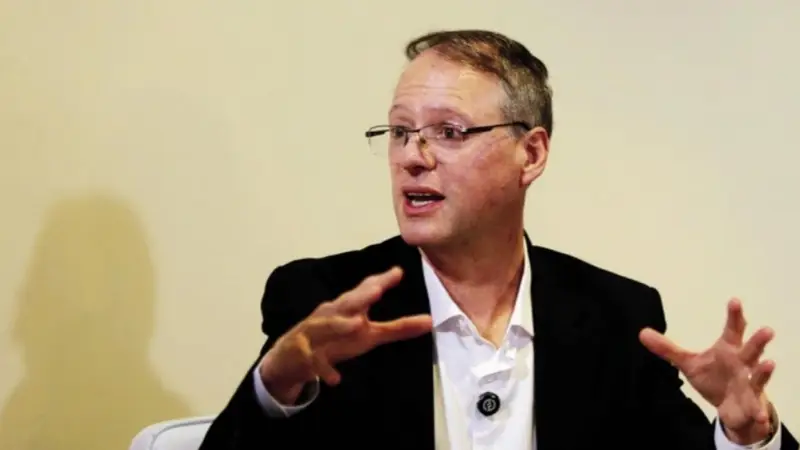
Photo: Jaime Dunn, analyst
Analyst Jaime Dunn carried out an analysis of President Rodrigo Paz’s message, delivered this Thursday, April 30, in the framework of May 1. In an interview conducted on Que No Me Pierda (QNMP), he emphasized the need to take advantage of dialogue as an instrument to address the structural reforms that Bolivia urgently needs.
In this sense, Dunn reflected on President Rodrigo Paz’s call for dialogue among the country’s sectors.
“Dialogue is fine if you call it, as I believe the president is doing, to first build, let us say, a kind of legitimacy for the difficult reforms that he has to make.” According to Dunn
Bolivia’s structural crisis
Dunn warned that Bolivia is facing not only an economic crisis, but also an institutional and moral one.
“The problem of Bolivia is structural, not circumstantial,” Dunn affirmed, referring to the problems of corruption, internal sabotage, and the lack of an effective judicial system that have characterized the management of recent years. According to the analyst, the crisis will not be resolved only with patches or temporary measures, but with deep reforms that address the roots of the problem.
Reflection on Bolivia’s future
The analyst concluded that, although dialogue is fundamental, the government must make quick and urgent decisions to resolve the crisis.
“The first decision that the government has to make is whether it is a government that administers crisis or wants to solve the crisis. And why is that so important, because by saying that it is going to solve the crisis, it already has to come to the dialogue with a plan and with a budget,” said the analyst.
In his reading, Dunn highlights the need for the government to make structural decisions and carry out the reforms the country requires. For this, dialogue must be an effective tool that allows tangible solutions to be achieved.
Por Juan Marcelo Gonzáles, Red Uno:
Dunn: “Bolivia necesita reformas estructurales, no solo diálogo”
El analista Jaime Dunn se refirió sobre el mensaje del presidente Rodrigo Paz, destacando que el diálogo debe ser un medio para tomar decisiones y no un mecanismo para postergar las reformas urgentes necesarias para el país.
Foto: Jaime Dunn, analista
El analista Jaime Dunn realizó un análisis al mensaje del presidente Rodrigo Paz, realizado este jueves 30 de abril en marco al 1 de Mayo. En una entrevista realizada en Que No Me Pierda (QNMP), enfatizó la necesidad de aprovechar el diálogo como un instrumento para abordar las reformas estructurales que Bolivia necesita con urgencia.
En este sentido, Dunn reflexionó sobre el llamado del presidente Rodrigo Paz al diálogo entre sectores del país.
“El diálogo está bien si lo llamas, como creo que está haciendo el presidente, para construir primero, digamos, una especie de legitimidad de reformas difíciles que tiene que hacer”. Según Dunn
La crisis estructural de Bolivia
Dunn advirtió que Bolivia no solo enfrenta una crisis económica, sino también una crisis institucional y moral.
“El problema de Bolivia es estructural, no coyuntural”, afirmó Dunn, refiriéndose a los problemas de corrupción, saboteo interno y falta de un sistema judicial efectivo que han caracterizado la gestión de los últimos años. Según el analista, la crisis no se resolverá solo con parches o medidas temporales, sino con reformas profundas que aborden las raíces del problema.
Reflexión sobre el futuro de Bolivia
El analista concluyó que, si bien el diálogo es fundamental, el gobierno debe tomar decisiones rápidas y urgentes para resolver la crisis.
“La primera decisión que tiene que tomar el gobierno es si es un gobierno que administra crisis o quiere solucionar la crisis. Y porque eso está tan importante, porque al decir el gobierno que va a solucionar la crisis, ya tiene que venir al diálogo con un plan y con un presupuesto”, dijo el analista.
En su lectura, Dunn destaca la necesidad de que el gobierno tome decisiones estructurales y realice las reformas que el país requiere. Para ello, el diálogo debe ser una herramienta efectiva que permita lograr soluciones tangibles.


Leave a Reply