By El Diario:4
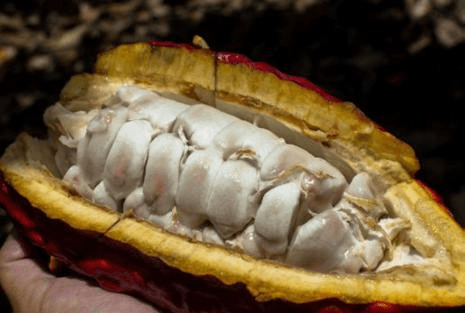
With the aim of strengthening the cacao production chain, the Government of Bolivia, international organizations, and Non-Governmental Organizations carried out a strategic institutional mapping to coordinate joint policies that project the competitiveness of Bolivian cacao both domestically and globally.
This progress took place at last Monday’s meeting at Palacio Chico, where the first preparatory session of the National Technical Roundtable for the Cacao sector was held.
The event was attended by the Minister of Sustainable Tourism, Cultures, Folklore and Gastronomy, Cinthya Yáñez Eid; the Vice Minister of Gastronomy, Sumaya Prado; the Vice Minister for the Promotion of Sustainable Tourism, Andrés Aramayo; and the Vice Minister of Agricultural Development, Karel Rivero. Also present was the Ambassador of the Federal Republic of Germany in Bolivia, Dr. José Schulz.
“This meeting marks the beginning of coordinated interministerial work. From our different areas of responsibility, we share a common objective: to strengthen the cacao production chain in Bolivia. This coordination will not only optimize efforts, but also generate more comprehensive policies that support the sector from production to its incorporation into the market, gastronomy, and its tourism projection,” expressed Minister Yáñez.
In his remarks, Ambassador Schulz highlighted the link between different international cooperation institutions and state entities to consolidate a common roadmap. “This effort will make it possible to identify contributions, recognize gaps and duplications, and lay stronger foundations for strategic coordination,” he stated.
The representation of the state apparatus included the participation of the Ministries of Foreign Affairs; Development Planning and Environment; Productive, Rural and Water Development; and Sustainable Tourism, Cultures, Folklore and Gastronomy. They were joined by strategic entities such as the Productive Development Bank Corporation; the National Forest Development Fund (Fonabosque); the National Productive and Social Investment Fund; the National Intellectual Property Service (Senapi); and the National Agricultural Health and Food Safety Service (Senasag).
Representatives from GIZ, Ayuda en Acción, Swisscontact, Ecotop, Wildlife Conservation Society, the Center for Research and Promotion of Peasantry (Cipca), the Food and Agriculture Organization of the United Nations (FAO), Helvetas, the Peasant Agricultural Promotion Center (Cepac), and the Sustainable Development Solutions Network (SDSN Bolivia) also participated.
The meeting was organized by the Ministry of Sustainable Tourism, Cultures, Folklore and Gastronomy through the Vice Ministry of Gastronomy, in coordination with the Ministry of Productive, Rural and Water Development through the Vice Ministry of Agricultural Development, together with the ProAmazonía project funded by the German Federal Ministry for Economic Cooperation and Development (BMZ) and implemented by German Cooperation through GIZ.
The meeting facilitated an exchange of technical experiences aimed at consolidating the national mapping of institutions working with cacao, joining efforts, and avoiding duplication on common issues. At its conclusion, participants signed an official record, validating the need to establish a National Technical Roundtable for Cacao and reaffirming their institutional willingness to participate in this strategic coordination space.
The next step will be the formation of the National Technical Roundtable for Cacao, which will include producers, collectors/buyers, and processors from different regions of the country, as well as academic and research institutions, to design a critical roadmap and a consensual work agenda aimed at strengthening the competitiveness and sustainability of the value chain of this remarkable product.
Por El Diario:
Con el propósito de fortalecer la cadena productiva del cacao, el Gobierno de Bolivia, organismos internacionales y Organizaciones No Gubernamentales hicieron un mapeo institucional estratégico para articular políticas conjuntas que proyecten la competitividad del grano boliviano en el país y el mundo.
Ese avance se dio en la reunión del pasado lunes en Palacio Chico, donde se realizó el primer encuentro preparatorio de la Mesa Técnica Nacional del sector del Cacao.
El acto contó con la presencia de la ministra de Turismo Sostenible, Culturas, Folklore y Gastronomía, Cinthya Yáñez Eid, la viceministra de Gastronomía, Sumaya Prado, el viceministro de Fomento al Turismo Sostenible, Andrés Aramayo y el viceministro de Desarrollo Agropecuario, Karel Rivero. Asimismo, participó el embajador de la República Federal de Alemania en Bolivia, Dr. José Schulz.
“Ese encuentro marca el inicio de un trabajo interministerial coordinado, desde nuestras diferentes competencias, compartimos un mismo objetivo: fortalecer la cadena productiva del cacao en Bolivia. Esta articulación permitirá no sólo optimizar esfuerzos, sino también generar políticas más integrales que acompañen al sector desde la producción hasta su incorporación en el mercado, en la gastronomía y su proyección turística”, expresó la ministra Yáñez.
En su intervención, el embajador Schulz destacó el vínculo entre las diferentes instituciones de cooperación internacional y las entidades estatales para consolidar una hoja de ruta común. “Este esfuerzo permitirá identificar aportes, reconocer vacíos y duplicidades y sentar bases más sólidas para una coordinación estratégica”, manifestó.
La representación del aparato estatal contó con la participación de los ministerios de Relaciones Exteriores; Planificación del Desarrollo y Medio Ambiente; Desarrollo Productivo, Rural y Agua; y Turismo Sostenible, Culturas, Folklore y Gastronomía. A ellos se sumaron entidades estratégicas como el Banco de Desarrollo Productivo Sociedad Anónima; el Fondo Nacional de Desarrollo Forestal (Fonabosque); el Fondo Nacional de Inversión Productiva y Social; el Servicio Nacional de Propiedad Intelectual (Senapi) y el Servicio Nacional de Sanidad Agropecuaria e Inocuidad Alimentaria (Senasag).
También participaron representantes de la GIZ, Ayuda en Acción, Swisscontact, Ecotop, Wildlife Conservation Society, el Centro de Investigación y Promoción del Campesinado (Cipca), la Organización de las Naciones Unidas para la Alimentación y la Agricultura (FAO), Helvetas, el Centro de Promoción Agropecuaria Campesina (Cepac) y la Red de Soluciones para el Desarrollo Sostenible (SDSN Bolivia).
El encuentro fue organizado por el Ministerio de Turismo Sostenible, Culturas, Folklore y Gastronomía a través del Viceministerio de Gastronomía, en coordinación con el Ministerio de Desarrollo Productivo, Rural y Agua a través del Viceministerio de Desarrollo Agropecuario, junto al proyecto ProAmazonía financiado por el Ministerio Federal de Cooperación Económica y Desarrollo de Alemania (BMZ) e implementado por la Cooperación Alemana a través de la GIZ.
La cita propició un intercambio de experiencias técnicas orientado a consolidar el mapeo nacional de las instituciones que trabajan con el cacao, unir esfuerzos y evitar duplicidades en temas comunes. Al concluir, los asistentes suscribieron un acta oficial, validando la necesidad de generar una Mesa Técnica Nacional del Cacao y reafirmaron su voluntad institucional de participar en este espacio de coordinación estratégica.
El siguiente paso será en la conformación de la Mesa Técnica Nacional del Cacao, que integrará a productores, acopiadores/compradores y transformadores de las distintas regiones del país, así como instituciones académicas y de investigación para diseñar una hoja de ruta crítica y una agenda de trabajo consensuada, orientadas a fortalecer la competitividad y sostenibilidad de la cadena de valor de este maravilloso producto.
https://www.eldiario.net/portal/2026/04/22/bolivia-avanza-en-cadena-de-valor-del-cacao/


Leave a Reply