
By El Diario:
The citizens are harmed.
- They question that union leadership chooses to mobilize before initiating dialogue with government authorities regarding their demands on various issues.
- Pressure measures cannot be carried out without a specific reason or support for a legitimate request.
- They state that under no circumstances is it possible to justify mobilizations focused on harming citizens as a form of pressure.
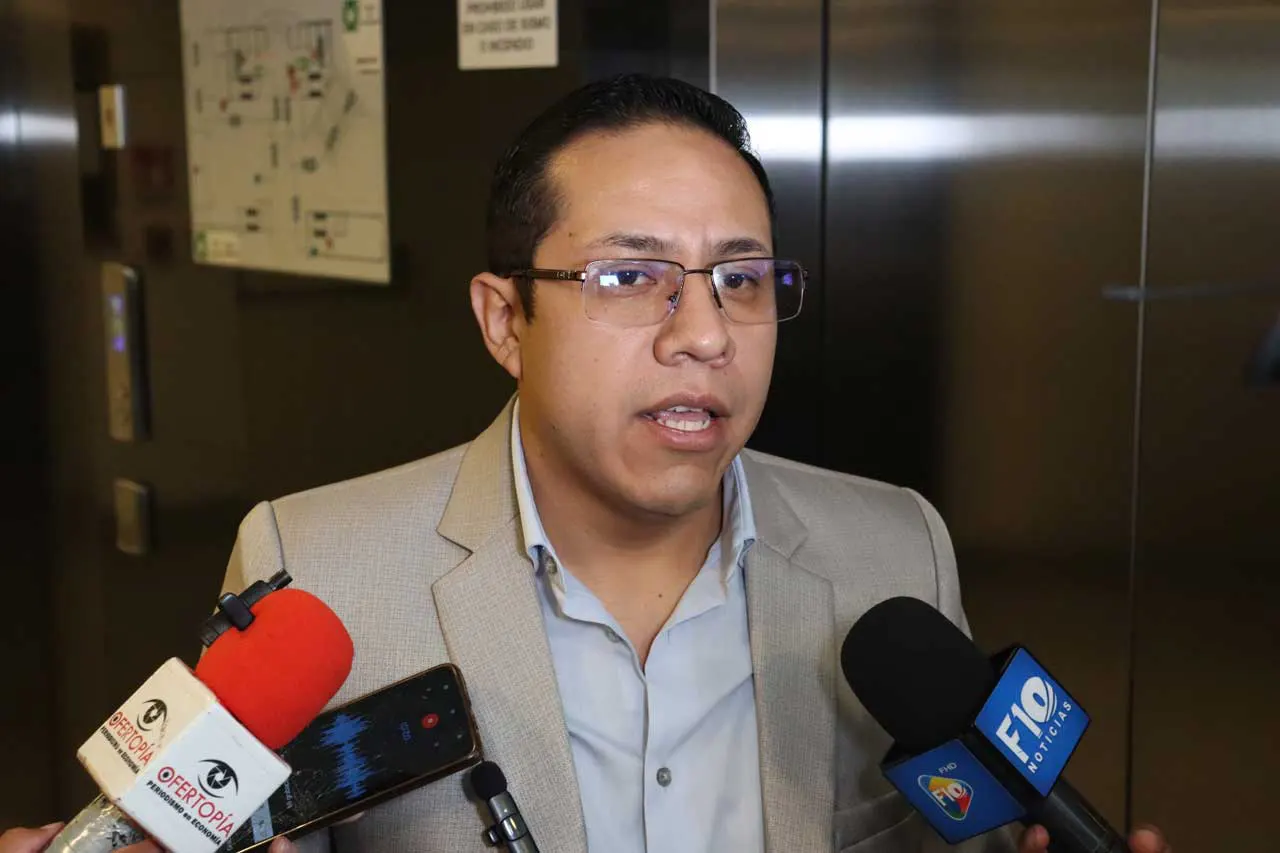
With the start of mobilizations by the Central Obrera Boliviana (COB) as a way to pressure the Government to address its 2026 list of demands, the deputy for Autonomía Para Bolivia (APB-Súmate), Diego Brañez Leaños, questioned that this sector mobilizes its bases at a time when the country and the population need to carry out their activities normally in order to overcome the crisis.
In the view of the assemblyman representing the department of Cochabamba, it is questionable that union leadership opts to mobilize before initiating dialogue with government authorities regarding its demands on different issues.
Likewise, he recalled that recent mobilizations such as that of the transport sector, demanding solutions to the issue of unstable gasoline and compensation for affected vehicles, although they had a certain degree of popular support, did not prevent harm to the economic activities of the population, demonstrating that pressure measures cannot be carried out without a specific reason or without exhausting dialogue.
“Demonstrating simply for the sake of mobilizing is to seek conflict at a time when the country wants to work and grow, not only economically but also socially and politically; we must have the maturity to understand this and be able to engage in dialogue,” he said.
Yesterday, a march by the Central Obrera Boliviana passed through the main arteries of the seat of government as a show of strength before authorities, and as a prelude to the delivery of a list of demands to the Executive, which addresses the 2026 wage increase, a position regarding the Labor Law, and other issues.
The document was delivered at the facilities of the Casa Grande del Pueblo, and the demonstrators gave a deadline of ten days to obtain a response from the administration of Rodrigo Paz.
“Responsibly, we are asking for a restoration of purchasing power (…). What is being requested is not far from reality and, once we are called, we will clarify more points that are being presented in the list of demands,” said Mario Argollo, COB executive, explaining that the document also refers to issues such as health, addressing the needs of the peasant sector, the repeal of laws that threaten land, and a specific point rejecting the approval of a law against blockades.
The mobilization by the union once again caused the closure of several roads in the city center, restrictions on access to Plaza Murillo, and annoyance among the population due to disrupted traffic, in addition to the harm caused to economic activities.
According to Brañez, under no circumstances is it possible to justify mobilizations aimed at harming citizens as a form of pressure for authorities to address demands, especially if avenues for dialogue have not been exhausted beforehand.
“In the current situation, what must prevail is tranquility and peace, not only for the government, but for those people who go out to work every day, for young people and children who need to attend their educational centers, and other sectors that cannot and should not be harmed unnecessarily,” he added.
On the matter, pro-government deputy Helen Patiño stated that, despite the radical positions that may be expressed in the coming days by COB leadership, it will always be important to prioritize dialogue over pressure measures.
“I believe that there must be coordination, sitting down with all social sectors to see whether a raise truly corresponds or not (…). It is important to remember that percentages cannot be requested lightly; what must be done is to conduct studies regarding the family basket and adjust the list of demands according to the needs of each household and what the State is able to fulfill,” she maintained.
Por El Diario:
Se perjudica a la ciudadanía
- Cuestionan que la dirigencia sindical opte por movilizarse antes de iniciar un diálogo con autoridades de gobierno respecto a sus demandas en distintos temas.
- Medidas de presión no pueden ejecutarse sin haber un motivo puntual o un respaldo a una petición legítima.
- Afirman que desde ningún punto de vista es posible justificar movilizaciones enfocadas en perjudicar a la ciudadanía como forma de presión.
Ante el inicio de movilizaciones por parte de la Central Obrera Boliviana (COB), como forma de presión al Gobierno para la atención de su pliego petitorio 2026, el diputado por Autonomía Para Bolivia (APB-Súmate), Diego Brañez Leaños, cuestionó que este sector movilice a sus bases en momentos en que el país y la población necesita desarrollar sus actividades con normalidad para salir de la crisis.
En criterio del asambleísta representante del departamento de Cochabamba, es cuestionable que la dirigencia sindical opte por movilizarse antes de iniciar un diálogo con autoridades de gobierno respecto a sus demandas en distintos temas.
Asimismo, recordó que recientes movilizaciones como la del sector transporte, en demanda de soluciones al tema de la gasolina desestabilizada y el resarcimiento para vehículos afectados, si bien contaron con cierto grado de apoyo popular, eso no impidió que se perjudiquen las actividades económicas de la población, demostrando que las medidas de presión no pueden ejecutarse sin haber un motivo puntual o un diálogo agotado.
“Manifestarse simplemente por movilizarse es buscar conflicto en un momento en que el país quiere trabajar y crecer, no solo económicamente sino social y políticamente, debemos tener madurez para entender esto y poder dialogar”, dijo.
Ayer, una marcha de la Central Obrera Boliviana recorrió las principales arterias de la Sede de Gobierno, como una señal de fuerza ante autoridades de gobierno, y como preámbulo para la entrega de un pliego petitorio al Ejecutivo, en el que se abordan el incremento salarial 2026, una posición respecto a la Ley del Trabajo y otros temas.
La entrega de documento se hizo efectiva en instalaciones de la Casa Grande del Pueblo y los movilizados dieron un plazo de diez días para obtener una respuesta de la administración de Rodrigo Paz.
“De manera responsable estamos pidiendo una reposición del valor adquisitivo (…). Lo que se pide no está alejado de la realidad y, una vez que nos convoquen, estaremos aclarando más puntos que se están presentando en el pliego petitorio”, dijo Mario Argollo, ejecutivo de la COB, explicando que en el pliego también se hace referencia a temas como salud, atención de necesidades para el sector campesino, la abrogación de leyes que atentan contra las tierras, y un punto específico de rechazo a la aprobación de una ley contra los bloqueos.
La movilización del ente sindical volvió a provocar el cierre de varias vías del centro, restricciones para ingresar a Plaza Murillo y molestia en la población por la alteración del tráfico vehicular, además del perjuicio generado a las actividades económicas.
Según Brañez, desde ningún punto de vista es posible tratar de justificar movilizaciones enfocadas en perjudicar a la ciudadanía como forma de presión para que una demanda sea atendida por las autoridades, sobre todo si no se han agotado previamente las vías del diálogo.
“En la actual coyuntura, lo que debe primar es la tranquilidad y la paz, no solamente para el gobierno, sino para aquellas personas que diariamente salen a trabajar, para los jóvenes y niños que requieren acudir a sus centros educativos y otros sectores a los que puede ni debe perjudicarse sin necesidad”, agregó.
Sobre el tema, la diputada oficialista Helen Patiño aseguró que, pese a las posiciones radicales que se puedan expresar en los siguientes días por parte de la dirigencia cobista, siempre será importante anteponer el diálogo por sobre las medidas de presión.
“Considero que hay que concertar, sentarse con todos los sectores sociales para ver si realmente corresponde, o no, un aumento (…). Es importante recordar que no se puede alegremente pedir porcentajes, lo que se debe hacer es hacer estudios respecto a la canasta familiar y ajustar el petitorio de acuerdo a la necesidad que tiene cada hogar y lo que corresponda cumplirse desde el Estado”, sostuvo.

 Bolivian Thoughts | Pensamientos Bolivianos (Bilingual/Bilingüe)