
By German Huanca, Urgente.bo:
In the conflict over the repeal of DS 5503, the government gradually ceded ground, to the point of giving prominence to those who had neither the moral standing nor the voice of the majorities. In this tug-of-war, it is clear that there were winners and losers, and it is necessary to identify them.
The winners were the corrupt leaders of the COB, who said nothing in the face of the countless errors of the governments of Evo Morales and Luis Arce; the armchair academics (“aqhademics”) who have no idea how to export even a single gram of anything; and the journalists and influencers who merely echoed stupidity.
The losers were the farmers and producers who were in the middle of harvesting their products and were forced to get rid of them at any price; the families who live day to day and who have surely sold part of their small assets (stoves, refrigerators, equipment…) just to be able to eat; and consumers in general, since with the repeal of DS 5503 we are back to square one, once again having to convince politicians of what is good and what is not good for the country.
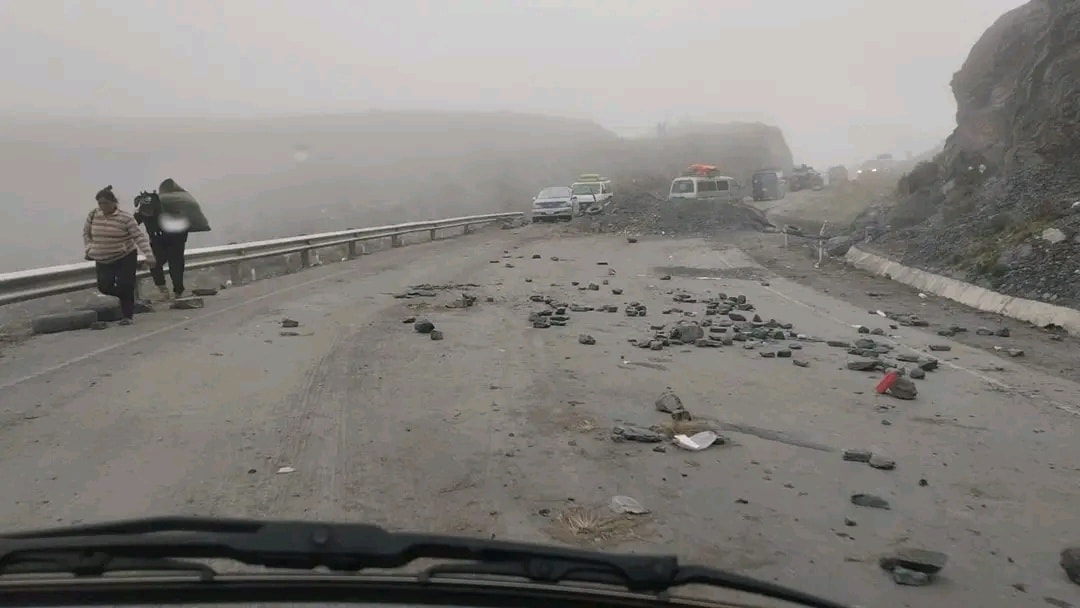
Understand this once and for all. With the repeal of DS 5503 and its replacement by another decree that will surely address only subsidies, wages, and bonuses, we return to the situation we were in during the electoral period. While the subsidy that generates the fiscal deficit—partially resolved by updating fuel prices—is a Pyrrhic victory, costs keep accumulating and the provisions aimed at attracting investment will be ignored. Now, in the new decree, this should be done by adjusting prices to their origin levels and allowing those adjustments to vary according to market movements, thus avoiding the need for yet another price-adjustment decree.
One essential element: those “erudites” who expressed concern about the fast-track mechanism for access to credit must understand that Bolivia, rounding figures, has had a negative trade balance of USD 1 billion since 2024. This gap was previously covered by international reserves. Let us not forget that since 2014, Evo Morales and Luis Arce dismantled this mechanism of international liquidity availability. When Evo Morales took office, Bolivia had a cushion equivalent to 30% of GDP; now it is less than 5%. The fast-track mechanism granted to the Central Bank of Bolivia (BCB) was appropriate to the current circumstances. What did they expect? That resources would be lent to us in exchange for nothing? No waway—internationally, that does not work.
That mechanism, which was in the hands of the BCB, now returns to politicians who have no idea where they are standing and prefer to make a TikTok rather than propose policies for the country. From the politician’s point of view, they will prioritize credit in exchange for political favors for their regions, when what the country needs is an economic perspective. But since they do not understand that the Balance of Payments is negative, and that those who will feel it—and are already suffering it—are importers, we will have to wait for politicians’ whims before international trade normalizes.
The aqhademics do not understand that fresh (liquid) dollars are needed in the international accounts of commercial banks—accounts in New York, London, etc.—to be able to carry out international operations and provide dollars to importers and to all Bolivians who travel abroad for any reason. Today this is slowed down, and at this moment the only way to obtain those dollars is through credit, immediately. The government must propose a structural mechanism to solve this issue, with support for the Balance of Payments, not through specific projects as is embedded in the minds of many mediocrities, which only end up fattening the debt.
In short, to conclude, in this tug-of-war the winners were the failures who never built a company and who see the state as the only mechanism to finance their salaries, and who—because it is easy to deceive leaders without training in finance—use the slogan of hurting a government to gain space in subnational elections, calling for strikes and blockades. Now it is the government’s turn to take a step back, so that a task that should have been carried out by the BCB, with specialized personnel, is now done by politicians. At this rate, we have no choice but to learn to live in permanent conflict. Let us hope the government is taking a step back in order to run later, and that we do not become Tomatitas’ favorite dish.
(*) Economist, former Vice Minister of Strategic Planning
Por Germán Huanca, Urgente.bo:
En el conflicto por la abrogación del DS 5503, el gobierno fue cediendo espacios, hasta darle protagonismo a quienes no tenían ni la moral ni la voz de las mayorías. En esta pulseta, esta claro que hubo ganadores y perdedores y es menester identificarlos.
Ganaron los dirigentes corruptos de la COB que no dijeron nada ante la infinidad de errores del gobierno de Evo Morales y Luis Arce, ganaron los académicos (aqhadémicos) de escritorio que no tienen idea de exportar un gramo de nada, ganaron los periodistas e influencers que hacían eco de la estupidez.
Perdieron los campesinos y productores que estaban en cosecha de sus productos y tuvieron que deshacerse a cualquier precio, perdieron las familias que viven de día a día, y que seguramente han vendido parte de sus pequeños activos (cocinas, refrigeradores, equipos…) para poder comer, perdieron los consumidores en general ya que con la abrogación del DS 5503 volvemos a fojas cero para volver convencer a los políticos lo que es bueno y lo que no es bueno para el país.
Entiendan de una vez. Con la abrogación del 5503 y su reemplazo con otro que seguramente abordará solo las subvenciones, salarios y bonos, se vuelve a un estado en el cual nos encontrábamos en la etapa electoral. Si bien, la subvención que genera el déficit fiscal, que medianamente se soluciona con la actualización de precios del combustible, es una victoria pírrica cuando los costos se van acumulando y se obviará de los artículos que promovían la atracción de inversiones. Ahora, en el nuevo decreto debería hacérselo ajustando los mismos a los precios de origen y que su ajuste sea de manera variable a los movimientos del mercado, así nos evitamos de hacer otro decreto de ajuste precios.
Un elemento escencial, aquellos “eruditos” que manifestaron su preocupación con el mecanismo fast track para el acceso a los créditos, deben entender que Bolivia, redondeando cifras, tiene una balanza comercial negativa de 1.000 millones de dólares desde el 2024, esta diferencia anteriormente se cubría con las reservas internacionales. No olvidemos que desde el 2014, Evo Morales y Luis Arce liquidaron este mecanismo de disponibilidad de liquidez internacional. Cuando asumió Evo Morales Bolivia tenía un colchón del 30% con relación al PIB, ahora es menos del 5%. El mecanismo fast track otorgado al BCB era un mecanismo acorde a la coyuntura. ¿Qué esperaban? Que nos presten recursos a cambio de nada. No waway, a nivel internacional eso no funciona.
Ese mecanismo que lo tenía el BCB, ahora vuelve a manos de los políticos que no tienen idea donde están parados y prefieren hacer un Tik Tok antes de proponerle propuestas al país. Desde el punto de vista del político, privilegiarán un crédito a cambio de prebendas políticas con sus regiones, cuando el país necesita una mirada económica, pero como no entienden que la Balanza de Pagos es negativa, y que los que van a sentirlo y lo están sufriendo ahora son los importadores, tendremos que esperar las ganas de los políticos para que el comercio internacional se normalice.
Los aqhademicos no entienden que se necesitan dólares frescos (líquidos) en las cuentas internacionales de los bancos comerciales, esto es en Nueva York, London, etc para poder hacer operaciones internacionales y proveer de dólares a los importadores y a todos los bolivianos que salen al exterior por cualquier motivo, hoy ralentizado y la única vía para tenerlo es a través del crédito en este momento, y de manera inmediata. El gobierno debe plantear un mecanismo estructural de solución a este tema, con un soporte a la Balanza de Pagos y no así como proyectos específicos como está incrustada en la mente de muchos mediocres, que lo único que hace es engordar la deuda.
En fin, para terminar, en esta pulseta, ganaron los fracasados que nunca hicieron una empresa y que ven al estado como el único mecanismo de financiamiento de sus salarios y como es fácil embaucar a dirigentes sin formación en finanzas, y con el slogan de afectar a un gobierno para ganar espacio en las elecciones subnacionales llaman a paros y bloqueos. Ahora le toca al gobierno dar un paso atrás, para que una tarea que lo debía realizar el BCB, con personal especializado ahora lo hagan los políticos. A este paso, no nos queda otra que aprender a vivir en conflicto permanente. Esperemos que el gobierno esté dando un paso atrás para luego correr, y no seamos el plato preferido de Tomatitas.
(*) Economista, Ex viceministro de Planificación Estratégica
https://www.urgente.bo/noticia/¿quién-ganó-en-la-pulseta-por-el-ds-5503

 Bolivian Thoughts | Pensamientos Bolivianos (Bilingual/Bilingüe)