
By Correo del Sur:
For the global body, the celebration goes beyond the strictly religious to become an identity-shaping phenomenon that mobilizes Bolivia’s capital every September
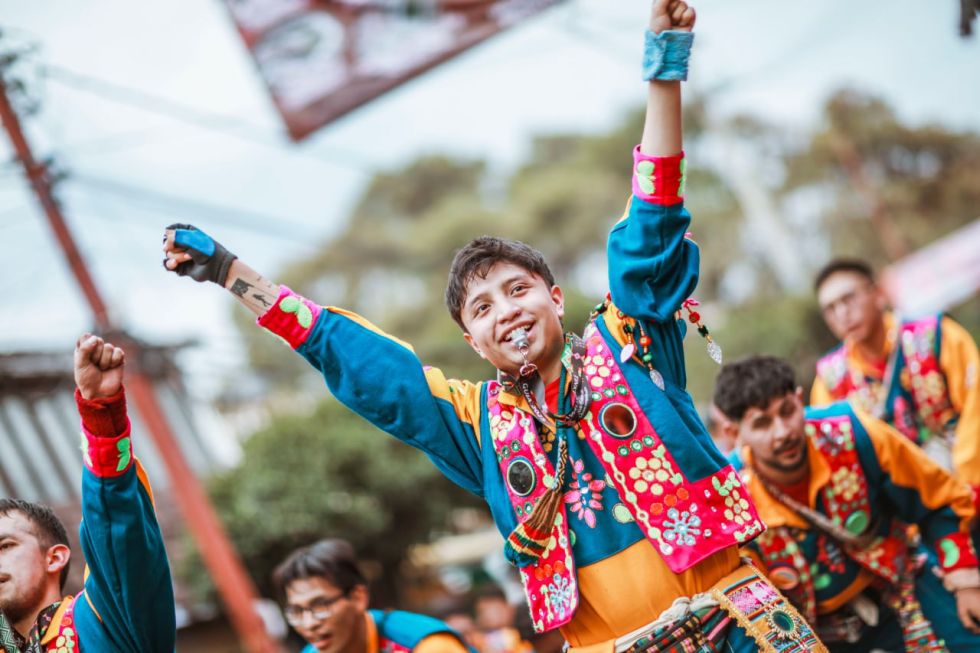
The Atipay fraternity during the Folkloric Parade of the Virgin of Guadalupe. Photo: Archive
The UNESCO Intergovernmental Committee for the Safeguarding of Intangible Cultural Heritage inscribed on Tuesday the Festivity of the Virgin of Guadalupe of Bolivia on its Representative List, granting universal status to Sucre’s most important celebration, an event that achieves a unique symbiosis between Catholic liturgy and the power of Andean folklore.
The decision, adopted during the twentieth session of the organization in New Delhi, recognizes the value of this practice as a driver of social cohesion. For UNESCO, the festival goes beyond the merely religious to become an identity phenomenon that mobilizes the entire constitutional capital of Bolivia every September.
This “will make it possible to gain international recognition for this living heritage, strengthen safeguarding measures, and project Bolivia as a nation that protects and values its heritage,” said Bolivia’s Tourism Minister, Cinthya Yáñez, in a video message broadcast during the plenary session.
The Festivity of the Virgin of Guadalupe stands out for the strength of its religious rituals, such as the novenas and wax offerings, the traditional procession, and the massive participation in the Folkloric Parade, the annual event that sets Sucre’s social and cultural rhythm.
This gathering mobilizes folkloric fraternities, music bands, families, and visitors, and has become one of the city’s main tourist attractions.
Thousands of devotees take part in the festivity, which brings together the faithful in the city of Sucre from late August through ten days in September to express their faith and devotion through dance and music.
The celebration has a historical origin dating back to 1601, when Fray Diego de Ocaña painted the image that gave rise to the devotion.
In just 38 years, this parade has experienced remarkable growth, with 105 fraternities now participating in the performance of various dances, expanding the capital’s cultural and tourist appeal.
With the inscription of the Festivity of the Virgin of Guadalupe, Bolivia now has 16 expressions included in UNESCO’s Lists of the Intangible Cultural Heritage of Humanity.
Por Correo del Sur:
Para el organismo mundial, la fiesta trasciende lo meramente religioso para convertirse en un fenómeno de identidad que moviliza a toda la capital de Bolivia cada mes de septiembre
La fraternidad Atipay en la Entrada Folclórica de la Virgen de Guadalupe. Foto: Archivo
El Comité del Patrimonio Cultural Inmaterial de la Unesco inscribió este martes la Festividad de la Virgen de Guadalupe de Bolivia en su Lista Representativa, otorgando estatus universal a la celebración mayor de la ciudad de Sucre, un evento que logra una simbiosis única entre la liturgia católica y la fuerza del folclore andino.
La decisión, adoptada durante la vigésima sesión del organismo en Nueva Delhi, reconoce el valor de esta práctica como motor de cohesión social. Para la Unesco, la fiesta trasciende lo meramente religioso para convertirse en un fenómeno de identidad que moviliza a toda la capital constitucional de Bolivia cada mes de septiembre.
Esto “permitirá reconocer internacionalmente este patrimonio vivo, consolidar medidas de salvaguardia y proyectar a Bolivia como una nación que protege y valora su patrimonio”, afirmó en un mensaje en video transmitido en la plenaria la ministra de Turismo boliviana, Cinthya Yáñez.
La Festividad de la Virgen de Guadalupe destaca por la fuerza de sus rituales religiosos, como las novenas y las ofrendas de cera, la tradicional procesión y la masiva participación en la Entrada Folclórica, el evento anual que marca el ritmo social y cultural de Sucre.
Este encuentro moviliza a fraternidades folclóricas, bandas de música, familias y visitantes, y se ha consolidado como uno de los principales atractivos turísticos de la ciudad.
Miles de devotos participan en esta festividad, que reúne a fieles en la ciudad de Sucre desde finales de agosto y durante diez días de septiembre, para expresar su fe y devoción a través de la danza y la música.
La celebración tiene un origen histórico que se remonta a 1601, cuando Fray Diego de Ocaña pintó la imagen que dio lugar a la devoción.
En apenas 38 años, esta entrada ha alcanzado un crecimiento notable, con 105 fraternidades que hoy participan en la ejecución de diversas danzas, ampliando el atractivo cultural y turístico de la capital.
Con la inscripción de la festividad de la Virgen de Guadalupe, Bolivia suma 16 manifestaciones en las listas de Patrimonio Cultural Inmaterial de la Humanidad de la Unesco.

 Bolivian Thoughts | Pensamientos Bolivianos (Bilingual/Bilingüe)