
By ANF, Eju.,tv:
Guilds warn candidates: “Don’t promise something you won’t fulfill, otherwise you will have problems.”
For both the guilds and Conamype, the exclusion of these sectors is troubling in a scenario where Bolivia’s economy faces strong external and internal pressures.
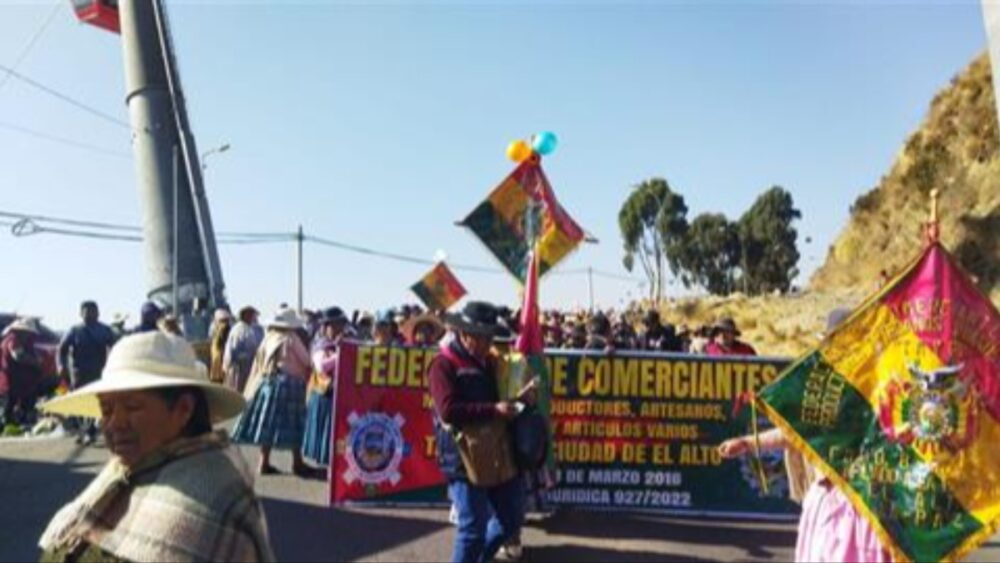
The final stretch of Bolivia’s general elections, which will have a runoff on October 19 between Rodrigo Paz Pereira and Jorge Quiroga Ramírez, is marked by tension and warnings from social and economic sectors. For guilds and micro and small businesses, the concern is clear: they believe electoral promises not only lack substance but could become a trigger for conflict if not fulfilled.
The guild sector of El Alto and the National Confederation of Micro and Small Enterprises (Conamype) agreed in pointing out that the candidates are launching offers that are more electoralist than technical, sidelining sectors that generate employment and sustain much of the country’s popular economy.
The first round, held on August 17, left a polarized scenario and forced voters to decide in a second round between two political projects that, according to these sectors, have failed to include guild families and microbusinesses in their government plans.
In this context, the executive secretary of the El Alto Sur guilds, Luis Paco, issued a direct warning: “Don’t promise something you won’t fulfill,” he told ANF, stressing that many of the proposals heard during the campaign are “demagogic promises” not found in the programs registered with the Electoral Body.
Paco insisted that guilds are being excluded from both candidates’ government plans and warned about the consequences of this omission. “If candidates keep promising only to capture votes, without real substance, they will have problems,” he declared. For him, the economic crisis Bolivia is going through does not allow for misleading the population with unfeasible measures.
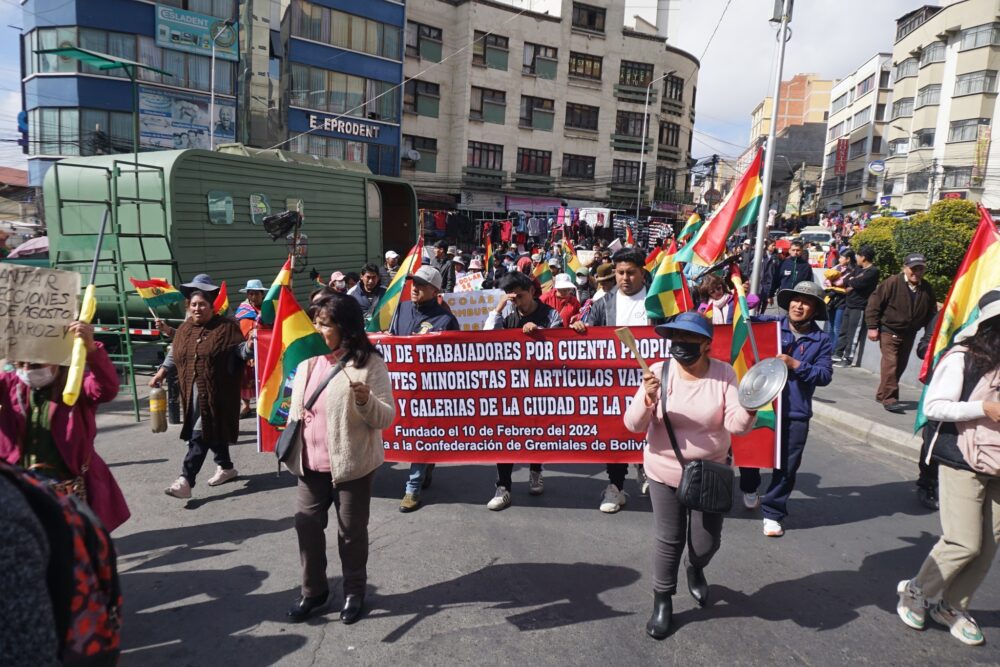
The leader warned that, if by January the difficulties with fuel supply, dollar instability, and high prices of basic goods persist, social patience could quickly run out.
“This is not Argentina, this is not another country, this is Bolivia,” he emphasized, assuring that the mobilizing force of El Alto will be decisive in the acceptance or rejection of the next government.
He also warned that the lack of real solutions could lead to increased crime. According to Paco, there are already organized groups that, driven by need and unemployment, have moved from street vending to violently disputing spaces.
“This is the first time in my life I see this level of organization,” he noted.
Helen Riveros, representative of Conamype, also questioned the way the candidates have presented their proposals, describing them as offers made “very lightly.” In her view, this attitude reflects the “desperation” of both presidential hopefuls, who have not demonstrated a deep knowledge of productive economics.
Riveros reminded that micro and small enterprises generate 75% of employment in Bolivia and move much of the economic flow, but lamented that neither Paz nor Quiroga have specific proposals for this sector. “We are really very disappointed, because they don’t include us in any of their programs,” she said in statements to ANF.
The leader also criticized some irresponsible promises, such as the elimination of Customs proposed by one of the candidates. “Closing customs is not the key; it could go against national production. They are making promises without considering the positive and negative impacts,” she commented.

For both guilds and Conamype, the exclusion of these sectors is concerning in a scenario where Bolivia’s economy faces strong external and internal pressures. The general sense is that, far from designing structural policies, the candidates focus on populist speeches to secure votes.
Paco’s warning about possible scenarios of political instability resonates with economic analyses, which point out that a potential loss of control over the exchange rate or fuel supply could become the new government’s main challenge.
“A transitional government is what’s coming if they don’t deliver,” warned the guild leader.
Paco’s message was clear: society is not willing to tolerate five years of unfulfilled promises. He said the next president must demonstrate, from the very first months, a real capacity to face the crisis. Otherwise, social conflict could escalate.
Meanwhile, Riveros stressed that their only hope left is to open channels of dialogue with the new government. “We want specific programs for micro and small enterprises,” she insisted, pointing out that economic stability must be the immediate priority.
For Conamype, the key lies in changing the consumption model to one of production and export. “We have asked for it loudly: we need to export so that dollars enter and the money stays in Bolivia,” said Riveros. Only then, she explained, can the country reduce its dependence on imports and stabilize the domestic market.
Nevertheless, the representative warned of a difficult future. “Ugly days are coming, very ugly times next year,” she said, noting that eliminating fuel subsidies could be a factor that further worsens the situation.
Despite the discouraging outlook, Riveros left open the possibility that, with political will, solutions could be pursued. “It’s really going to cost us to lift our country’s economy,” she concluded.
/FC/
Por ANF, Eju.,tv:
Gremios advierten a candidatos: “No prometan algo que no van a cumplir», de lo contrario «van a tener problemas»
Tanto para los gremiales como para Conamype, la exclusión de estos sectores resulta preocupante en un escenario donde la economía boliviana enfrenta fuertes presiones externas e internas.
La recta final de las elecciones generales en Bolivia, que tendrán una segunda vuelta el 19 de octubre entre Rodrigo Paz Pereira y Jorge Quiroga Ramírez, está marcada por la tensión y las advertencias de sectores sociales y económicos. Desde los gremios y las micro y pequeñas empresas, la preocupación es evidente: consideran que las promesas electorales no solo carecen de sustento, sino que podrían convertirse en un detonante de conflictos si no se cumplen.
El sector gremial de El Alto y la Confederación Nacional de la Micro y Pequeña Empresa (Conamype) coincidieron en señalar que los candidatos están lanzando ofertas con un carácter más electoralista que técnico, dejando de lado a sectores que generan empleo y sostienen gran parte de la economía popular del país.
La primera vuelta, realizada el 17 de agosto, dejó un escenario polarizado y forzó a los votantes a decidir en segunda vuelta entre dos proyectos políticos que, según estos sectores, no han logrado incluir a las familias gremiales ni a las microempresas en sus planes de gobierno.
En este contexto, el secretario ejecutivo de los gremiales de El Alto Sur, Luis Paco, lanzó una advertencia frontal: “No prometan algo que no van a cumplir”, dijo a ANF, subrayando que muchas de las propuestas escuchadas en campaña son “promesas demagógicas” que no se encuentran en los programas registrados ante el Órgano Electoral.
Paco insistió en que los gremiales están siendo excluidos de los planes de gobierno de ambos candidatos y advirtió sobre las consecuencias de esta omisión. “Si los candidatos siguen prometiendo solo para acaparar votos, sin tener sustento real, van a tener problemas”, declaró. Para él, la crisis económica que atraviesa Bolivia no permite ilusionar a la población con medidas inviables.
El dirigente alertó que, si desde enero persisten las dificultades con el abastecimiento de combustibles, la inestabilidad del dólar y los altos precios de los productos básicos, la paciencia social podría agotarse rápidamente.
“Esto no es Argentina, esto no es otro país, esto es Bolivia”, recalcó, asegurando que la fuerza de movilización de El Alto será determinante en la aceptación o rechazo del próximo gobierno.
Además, advirtió que la falta de soluciones reales puede derivar en un aumento de la criminalidad. Según Paco, ya se observan grupos organizados que, empujados por la necesidad y el desempleo, han pasado de la venta ambulante a disputar espacios de manera violenta.
“Es la primera vez en mi vida que veo este nivel de organización”, señaló.
Helen Riveros, representante de Conamype, también cuestionó la manera en que los candidatos han planteado sus propuestas, calificándolas como ofertas hechas “muy a la ligera”. En su criterio, esta actitud refleja la “desesperación” de ambos aspirantes a la presidencia, quienes no han demostrado un conocimiento profundo de la economía productiva.
Riveros recordó que la micro y pequeña empresa genera el 75% del empleo en Bolivia y mueve gran parte del circulante económico, pero lamentó que ni Paz ni Quiroga tengan propuestas específicas para este sector. “Estamos muy desilusionados realmente, porque no nos incluyen en ninguno de sus programas”, afirmó en declaraciones a ANF.
La dirigente también cuestionó algunas promesas irresponsables, como la eliminación de la Aduana planteada por uno de los candidatos. “Cerrar aduanas no es la clave, podría ir en contra de la producción nacional. Están haciendo promesas que no consideran los impactos positivos y negativos”, comentó.
Tanto para los gremiales como para Conamype, la exclusión de estos sectores resulta preocupante en un escenario donde la economía boliviana enfrenta fuertes presiones externas e internas. La sensación general es que, lejos de diseñar políticas estructurales, los candidatos se enfocan en discursos populistas para asegurar votos.
La advertencia de Paco sobre posibles escenarios de inestabilidad política encuentra eco en los análisis económicos, que señalan que un eventual descontrol en el tipo de cambio o en el suministro de combustibles podría convertirse en el principal desafío del nuevo gobierno.
“Un gobierno de transición es lo que se avecina si no cumplen”, advirtió el dirigente gremial.
El mensaje de Paco, fue claro: la sociedad no está dispuesta a tolerar cinco años de incumplimientos. Dijo que el próximo presidente deberá demostrar, desde los primeros meses, una capacidad real para enfrentar la crisis. De lo contrario, la conflictividad social podría escalar.
En tanto, Riveros subrayó que la única esperanza que les queda es abrir canales de diálogo con el nuevo gobierno. “Queremos programas específicos para las micro y pequeñas empresas”, insistió, señalando que la estabilidad económica debe ser la prioridad inmediata.
Para Conamype, la clave está en cambiar el modelo de consumo por uno de producción y exportación. “Lo hemos pedido a gritos: necesitamos exportar para que entren dólares y se quede la plata en Bolivia”, afirmó Riveros. Solo así, explicó, se podrá revertir la dependencia del país de las importaciones y estabilizar el mercado interno.
No obstante, la representante advirtió un futuro difícil. “Se vienen días muy feos, tiempos muy feos el próximo año”, dijo, apuntando que la eliminación de la subvención a los combustibles podría ser un factor que agrave aún más la situación.
Pese al panorama desalentador, Riveros dejó abierta la posibilidad de que, con voluntad política, se encaminen soluciones. “Nos va a costar realmente levantar la economía de nuestro país”, concluyó.
/FC/

 Bolivian Thoughts | Pensamientos Bolivianos (Bilingual/Bilingüe)