
By Marco Belmonte, Visión 360:
Find out what PDC and Libre propose to normalize the supply of dollars in the economy
Both forces propose freeing exports, and in the case of the PDC, the goal is to make the market work better by eliminating restrictions and regulations. Their plan also outlines a Foreign Exchange Stabilization Fund. Libre says it will aim to restore savers’ confidence, reinstate the Bolsín system, and secure loans from the IMF and other organizations.
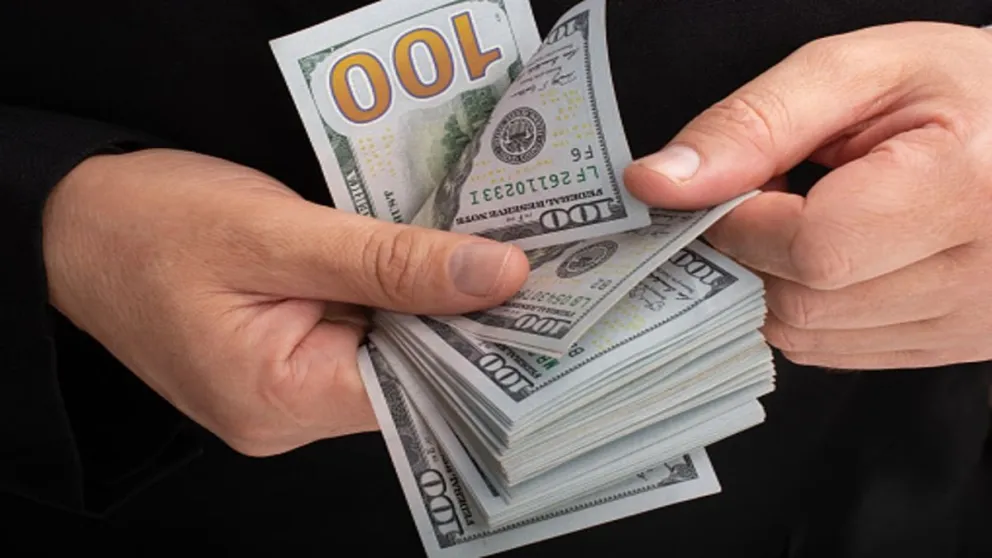
The shortage of dollars due to the drop in Net International Reserves (NIR) is one of the problems Bolivia faces. Photo: ABI
One of the most critical issues in the economy is the lack of dollars following the decline of Net International Reserves in recent years. To solve this, the Christian Democratic Party (PDC) and the Libre Alliance propose several measures, such as implementing a flexible exchange rate, removing restrictions and regulations, freeing exports, and restoring savers’ trust.
The PDC proposal
Gabriel Espinoza, head of the PDC’s economic team, said that to ensure the supply of dollars, the market must function more effectively by eliminating all restrictions and regulations that prevent the financial system from buying and selling dollars at market prices.
“The general framework is that the market has solved part of the dollar supply, but the problem is that there is still no clarity on the cost and availability of these currencies. We must let the market work better. Many regulations prevent the financial system from buying and selling dollars at market prices, so alternative mechanisms have been sought. These will be eliminated quickly so that the exchange rate can begin to stabilize,” he explained.
Once the different exchange rates converge, the Central Bank of Bolivia (BCB) will then make changes in exchange policy. Exports will also be liberalized, he added.
In the Government Plan presented before the elections, the party backing Rodrigo Paz and Edman Lara proposed creating the Foreign Exchange Stabilization Fund to unify the exchange rate. This would rely on freely available resources negotiated with multilateral banks, easing the outflow of foreign currency through renegotiation of external debt, and new resources from asset regularization programs for wealth inside or outside the country, such as cash, bank accounts, real estate, vehicles, crypto-assets, and loans, among others.
Libre Alliance
Ramiro Cavero, coordinator of Libre’s Government Program, stated that confidence will be restored to savers so that people holding dollars will inject them back into the financial system. They would adopt a flexible, single, and real exchange rate regime.
This, he added, would normalize foreign transfers so people could carry out operations such as foreign trade and paying for their children’s education.
He said that loans will be secured from international organizations such as the International Monetary Fund (IMF). They will seek to resolve the shortage of dollars, the lack of fuel, and inflation in the first months with the goal of returning to normality. Before Christmas, they propose amending agricultural, mining, and hydrocarbons laws to attract Foreign Direct Investment (FDI) and bring in foreign currency.
In Libre’s Government Plan, the establishment of a single, real, and flexible exchange rate was proposed.
The dollar
According to their assessment, during the crisis of the 1980s the so-called Bolsín system was implemented, allowing the exchange rate to fluctuate based on international inflation, domestic inflation, and supply and demand. This system worked very well for over 20 years, until the MAS decided to fix the exchange rate. Years later, this became unsustainable, leading to today’s parallel exchange rate.
The proposal centers on returning to the Bolsín with a real, single, and flexible exchange rate that would make Bolivia competitive with other countries. To achieve this, however, requires prior backing from an injection of dollars that only the IMF and other international organizations can provide.
Por Marco Antonio Belmonte, Visión 360:
Conozca qué proponen PDC y Libre para normalizar la provisión de dólares en la economía
Ambas fuerzas plantean liberar exportaciones y en el caso del PDC se buscará que el mercado funcione mejor, eliminando las restricciones y regulaciones y en su Plan se planteó un Fondo de Estabilización Cambiaria. Libre dice que se buscará devolver la confianza a los ahorristas , se retomará el Bolsín y se gestionará créditos con el FMI y otros organismos.
La falta de dólares por el descenso de las RIN, uno de los problemas que enfrenta Bolivia. Foto: ABI
Uno de los problemas críticos de la economía es la falta de dólares tras la caída de las Reservas Internacionales Netas (RIN), en los últimos años. Para resolver el problema, el Partido Demócrata Cristiano (PDC) y la Alianza Libre proponen varias tareas, como instaurar un tipo de cambio flexible, eliminar las restricciones y regulaciones, liberar las exportaciones y devolver la confianza a los ahorristas.
La propuesta de PDC
Gabriel Espinoza, jefe del equipo económico del PDC, indicó que para garantizar la provisión de dólares se buscará que el mercado funcione mejor, eliminando todas las restricciones y regulaciones que impiden al sistema financiero comprar y vender dólares a los precios de mercado.
“El marco general es que el mercado ha solucionado parte de la provisión de dólares, pero el problema es que aún no se tiene claridad en el costo y la disponibilidad de esas divisas. Hay que dejar que el mercado funcione mejor, hay muchas regulaciones que impiden al sistema financiero comprar y vender dólares a los precios de mercado, por eso se buscan mecanismos alternativos. Esto se va a eliminar rápidamente de tal manera que el tipo de cambio comience a estabilizarse”, puntualizó.
Una vez que los distintos tipos de cambio converjan, ahí el BCB llevará adelante modificaciones en la política cambiaria. También se liberarán las exportaciones, según explicó.
En el Plan de Gobierno presentado antes de las elecciones el partido que postula Rodrigo Paz y a Edman Lara plantea la creación del Fondo de Estabilización Cambiaria, para unificar el tipo de cambio, a partir de recursos de libre disponibilidad negociados con Bancos Multilaterales, el alivio de los flujos de salida de divisas por la renegociación de la deuda externa y nuevos recursos provenientes de programas de sinceramiento patrimonial de bienes en el país o en el exterior, tales como dinero en efectivo, cuentas bancarias, inmuebles, automóviles, criptoactivos y créditos, entre otros.
Alianza Libre
Ramiro Cavero, coordinador del Programa de Gobierno de la Alianza Libre, manifestó que se devolverá la confianza a los ahorristas, para que la gente que tiene dólares los vuelva a inyectar al sistema financiero y se tendrá un régimen de tipo de cambio flexible, único y real.
Esto, agregó, normalizará las transferencias al exterior para que la gente pueda realizar diferentes operaciones, como atender el comercio exterior y la educación de los hijos.
Dijo que gestionarán créditos con organismos internacionales como el Fondo Monetario Internacional (FMI). Buscarán resolver la falta de dólares, así como la falta de combustibles y la inflación en los primeros meses con el objetivo de volver a la normalidad. Antes de Navidad proponen impulsar cambios a las leyes de agricultura, minería e hidrocarburos para atraer Inversión Extranjera Directa (IED) y la llegada de divisas.
En el Plan de Gobierno de Libre se planteó el establecimiento de un tipo de cambio único, real y flexible.
El dólar
Según el diagnóstico, durante la crisis de los años 80 se implementó el sistema denominado Bolsín, que permitía que el tipo de cambio vaya fluctuando en función de la inflación internacional, de la inflación nacional y de la oferta y la demanda. Este sistema funcionó muy bien durante más de 20 años, hasta que el MAS decidió fijar el tipo de cambio y, años después, esto fue insostenible y hoy tenemos un tipo de cambio paralelo.
La propuesta gira en torno a volver al Bolsín con un tipo de cambio real, único y flexible y que permita que Bolivia sea competitiva con otros países. Para ello, como se ha señalado antes, previamente se requiere el respaldo de una inyección de dólares que sólo puede proveerla el FMI y los organismos internacionales.

 Bolivian Thoughts | Pensamientos Bolivianos (Bilingual/Bilingüe)