
By ANF, Eju.tv:
Warns economist Gonzalo Chávez
The analyst recalled that when the parallel exchange rate soared to 14 and 15 bolivianos, importers continued supplying the market, but at a higher cost, which was ultimately passed on to consumers. That process, known as exchange rate pass-through, does not necessarily work in reverse when the dollar falls.
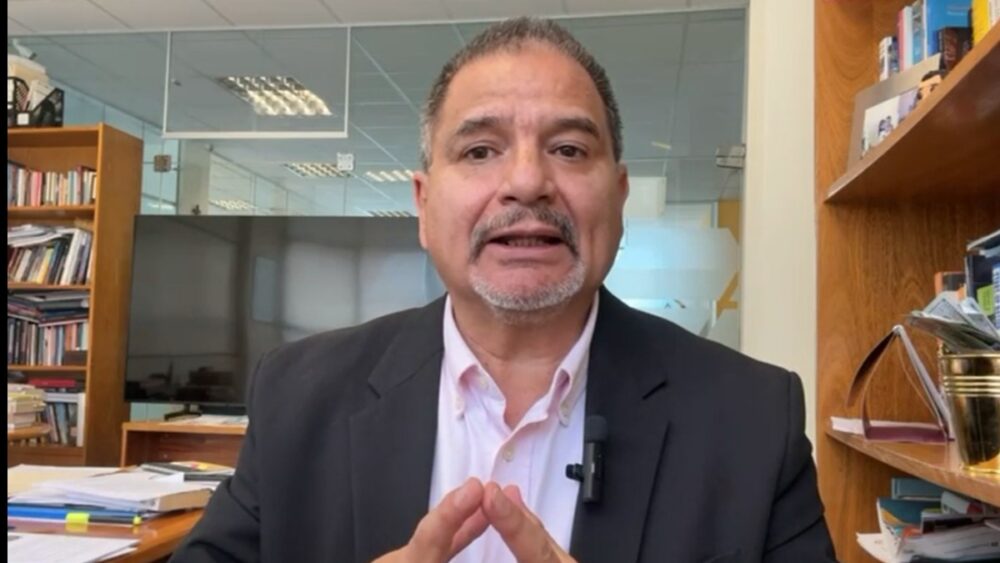
Gonzalo Chávez, an economic affairs analyst, warned that the recent drop in the parallel dollar in Bolivia will not automatically translate into lower market prices. Although the informal exchange rate is nearing 11 bolivianos, consumers should not expect immediate price cuts.
“The economy doesn’t work like a TV remote with two buttons. Dollar goes up, prices go up. Dollar goes down, prices go down,” Chávez said, explaining that price behavior responds to more complex factors.
The analyst noted that when the parallel exchange rate spiked to 14 and 15 bolivianos, importers kept the market supplied, but at higher costs that were eventually transferred to consumers. That process, called exchange rate pass-through, does not necessarily operate in reverse when the dollar falls.
“Expecting pass-through to work the other way (…) is to think that prices have an altruistic vocation. Besides, today’s prices are not children of the present but heirs of the past,” he explained.
Chávez warned that in addition to exchange rate pressure, other factors are fueling inflation, which currently exceeds 25% annually. Among them, he mentioned the Central Bank’s expansive monetary policy, business expectations, and so-called “inflationary inertia.”
“The Central Bank of Bolivia, in its role as a generous uncle, prints bolivianos to lend to the General Treasury of the State (…) so much money in circulation, without productive backing and without imports, fuels demand and ends up raising prices,” he stressed.
The economist added that expectations influence the behavior of economic agents: “Even if the dollar falls, entrepreneurs believe inflation will remain high. Just in case, they adjust prices upward.”
Finally, he argued that for the dollar’s decline to have a real impact on prices, adjustments in macroeconomic policy and clear signals of exchange rate stability are needed.
“Inflation is much more stubborn. It depends on monetary policies, expectations, the psychological side of the economy, and that well-established habit of raising prices quickly and never lowering them,” he concluded.
by Lidia Mamani
Por ANF, Eju.tv:
Advierte el economista Gonzalo Chávez
El analista recordó que cuando el tipo de cambio paralelo se disparó a 14 y 15 bolivianos, los importadores siguieron abasteciendo el mercado, pero a un costo más elevado, que finalmente fue transferido al consumidor. Ese proceso, conocido como pass-through cambiario, no necesariamente opera de forma inversa cuando el dólar baja.
Gonzalo Chávez, analista en asuntos económicos, advirtió que la reciente caída del dólar paralelo en Bolivia no se traducirá automáticamente en una disminución de precios en los mercados. Pese a que la cotización informal de la divisa se acerca a los 11 bolivianos, los consumidores no deberían esperar rebajas inmediatas en los productos.
“La economía no funciona como un control remoto de televisión que tiene dos botones. Sube dólar, suben precios. Baja dólar, bajan precios”, afirmó Chávez, al explicar que el comportamiento de los precios responde a factores más complejos.
El analista recordó que cuando el tipo de cambio paralelo se disparó a 14 y 15 bolivianos, los importadores siguieron abasteciendo el mercado, pero a un costo más elevado, que finalmente fue transferido al consumidor. Ese proceso, conocido como pass-through cambiario, no necesariamente opera de forma inversa cuando el dólar baja.
“Esperar que el pass-through funcione al revés (…) es pensar que los precios tienen vocación altruista. Además, los precios actuales no son hijos del presente, sino herederos del pasado”, explicó.
Chávez advirtió que, a la presión cambiaria, se suman otros elementos que consolidan la inflación, que actualmente supera el 25% anual. Entre ellos mencionó la política monetaria expansiva del Banco Central, las expectativas empresariales y la llamada “inercia inflacional”.
“El Banco Central de Bolivia, en su papel de tío generoso, imprime bolivianos para prestarle al Tesoro General del Estado (…) tanto billete en circulación, sin respaldo productivo y sin importaciones, empuja la demanda y termina subiendo los precios”, subrayó.
El economista añadió que las expectativas influyen en la conducta de los agentes económicos: “Aunque el dólar baje, los empresarios piensan que la inflación seguirá alta. Y por si acaso ajustan los precios hacia arriba”.
Finalmente, sostuvo que para que la baja del dólar tenga impacto real en los precios, se requieren ajustes en la política macroeconómica y señales claras de estabilidad cambiaria.
“La inflación es mucho más testaruda. Depende de políticas monetarias, de expectativas, de la parte psicológica en la economía, y de esa costumbre bien instalada de subir los precios rápido y bajarlos nunca”, concluyó.
por Lidia Mamani

 Bolivian Thoughts | Pensamientos Bolivianos (Bilingual/Bilingüe)