
By Erbol:
TO FACE THE CRISIS
Goni reappears and calls to learn from 21060: firm and conciliatory leadership, economic freedom, and protection for the most vulnerable
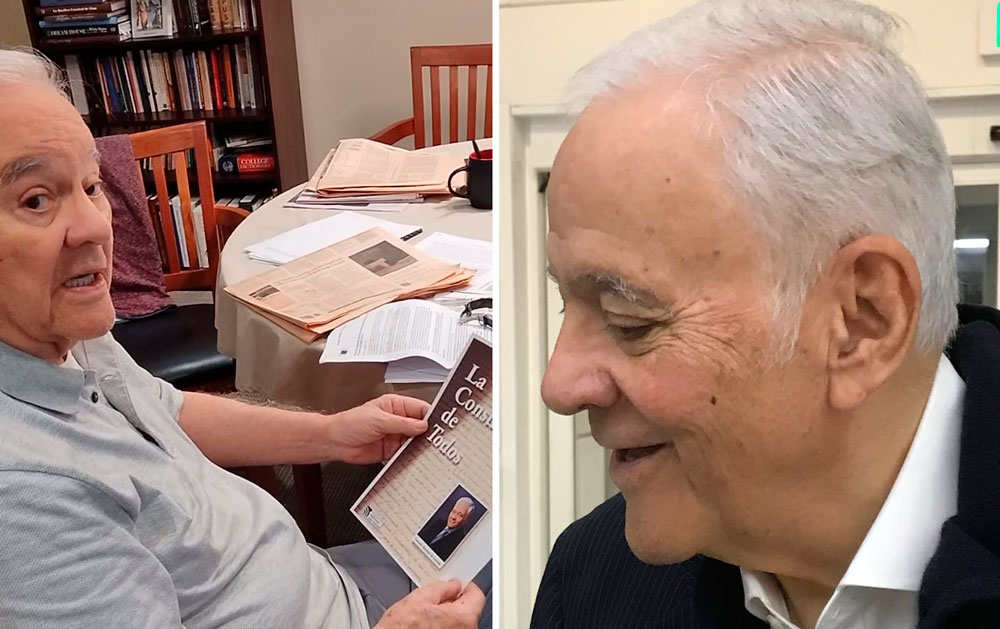
Sánchez de Lozada published an article about the country’s situation.
Gonzalo Sánchez de Lozada reemerged on a symbolic date, the 40th anniversary of Decree 21060, the liberal economic reform of the 1980s. In 2025, Goni evoked its achievements and suggested drawing lessons from that experience to confront the current national crisis, through a formula combining strong yet conciliatory leadership, greater economic freedom, protection of the vulnerable, and unity in the face of division.
In a text released this Friday, Goni recalled the famous phrase with which Víctor Paz Estenssoro described Bolivia’s condition in 1985: “Bolivia is dying on us.” According to Sánchez de Lozada, the same could be said today.
He explained that the premise of 21060 was to combine all measures in a single decree, since “bad news must be delivered all at once.” He praised Víctor Paz’s courage in assuming the political costs.
Goni highlighted the accomplishments of 21060: the creation of the “Bolsín” for daily dollar auctions at the Central Bank; cutting tax credits, reducing spending and the deficit; liberalizing price controls to eliminate shortages and long lines; removing barriers and taxes; raising fuel prices but with compensatory measures to counter inflation.
He stressed the difficulty of shutting down mining operations that cost more than they sold, as well as the need to “curb the excessive influence of unions, which were blocking investments that could create jobs in the public and private sectors.”
He emphasized compensation mechanisms for laid-off workers to find new opportunities and noted the Emergency Social Fund, which distributed income and created jobs.
He also recalled that its implementation required parliamentary agreements, especially with Hugo Banzer’s bloc, and that “despite differences, a strong and lasting agreement was reached.”
Sánchez de Lozada pointed out a difference between 1985 and today: the source of the income collapse. Forty years ago, tin prices plummeted due to external factors, but in 2025 hydrocarbon revenues fell because of what he called “one of the greatest economic crimes in the country’s history: they squandered gas revenues without making new investments.”
He underlined that Decree 21060 met its goals, but unresolved problems later “awakened the forces of mistrust, demagogy, and authoritarianism.” In his view, those authoritarian forces “have led the country to the grave crisis it faces now.”
As a conclusion, drawing from the 21060 experience, Sánchez de Lozada proposed guidelines for Bolivia’s current challenges: political leadership must be both firm and conciliatory, trust its team, and be ready to take necessary political risks.
He argued for granting “greater freedom to economic agents and protecting the most vulnerable, avoiding the demagogic temptations that harm us so much.”
Amid social, regional, and ethnic divisions, he deemed it “necessary to seek unity factors that allow rebuilding Bolivia without excluding or privileging anyone.”
At 95 years old, Goni signed the text on August 29, 2025, in Washington, DC, United States. He was president from 1993 to 1997 and again from 2002 to 2003, when he resigned amid social unrest and clashes that left several dead. Since then, he has not returned to Bolivia.

Por Erbol:
PARA ENFRENTAR LA CRISIS
Goni reaparece y pide aprender del 21060: liderazgo firme y concertador, libertad económica y protección a los más vulnerables
Sánchez de Lozada publicó un artículo sobre la situación del país.
Gonzalo Sánchez de Lozada hizo su reaparición y en una fecha particular, cuando se cumplen 40 años del Decreto 21060, que en los años ochenta reformó la economía con medidas de corte liberal. Ahora, en 2025, Goni evocó los logros de ese decreto y ha sugerido aprender de su experiencia para afrontar la crisis actual que atraviesa el país, mediante una fórmula que conjugue un liderazgo fuerte y concertador, mayor libertad económica, proteción a los más vulnerables y la unidad ante la división.
Mediante un texto publicado para este viernes, Goni recordó la famosa frase con que Víctor Paz Estenssoro describió la realidad que le tocó afrontar en 1985: “Bolivia se nos muere”. Para Sánchez de Lozada, ahora también se podría decir lo mismo.
Señaló que la premisa del 21060 era juntar todas las medidas en una sola norma, porque “las noticias duras deben darse de una sola vez”. Destacó el coraje de Víctor Paz por asumir los costos políticos de ese decreto.
Goni describió los logros del 21060: la creación del Bolsín para el remate diario de los dólares que entraban al Banco Central; cortar los créditos fiscales, reducir el gasto y el déficit; liberar los controles de precios para eliminar la escasez y colas; eliminar trabas e impuestos; aumentar los precios de los carburantes, pero con medidas compensatorias para contrarrestar la inflación.
Destacó lo difícil que fue cerrar operaciones mineras cuyos costos eran más altos que sus ventas, además de “poner freno a la excesiva influencia de los sindicatos, porque estaban impidiendo realizar las inversiones que podían crear nuevos empleos en los sectores público y privado”.
Goni destacó que se crearon mecanismos de compensación para que los trabajadores despedidos encuentren nuevas oportunidades. También resaltó el Fondo Social de Emergencia que distribuyó ingresos y creó empleos.
Mencionó también que para la implementación se buscaron acuerdos parlamentarios, sobre todo con la bancada de Hugo Bánzer, y “a pesar de las diferencias” se consiguió “establecer un acuerdo fuerte y duradero”.
Sánchez de Lozada marcó una diferencia de la situación de 1985 y la actual: la causa de la caída en la principal fuente de ingresos del país. Indicó que hace 40 años el precio del estaño se desplomó por factores externos, pero en 2025 la baja en los ingresos de los hidrocarburos se dio por lo que denominó “uno de los mayores crímenes económicos en la historia del país: Despilfarraron los ingresos del gas sin realizar nuevas inversiones”.
Enfatizó que el Decreto 21060 consiguió sus objetivos, pero no pudieron superarse algunos problemas que luego, en su opinión, “despertaron las fuerzas de la desconfianza, la demagogia y el autoritarismo”. Sostuvo que esas fuerzas del autoritarismo “han llevado al país a la situación de grave crisis que enfrenta ahora”.
Como corolario, en base a la experiencia del 21060, Sánchez de Lozada lanzó estos lineamientos para encarar la situación actual de Bolivia: manifestó que lo “más importante es que el liderazgo político debe ser al mismo tiempo firme y concertador, debe confiar en su equipo y también estar dispuesto a tomar los riesgos políticos necesarios”.
Señaló que se debe otorgar “mayor libertad a los agentes económicos y proteger a los más vulnerables, eludiendo las tentaciones demagógicas que tanto daño nos hacen”.
Asimismo, ante la división social, regional y étnica, consideró “necesario buscar también los factores de unidad que permitan reconstruir Bolivia sin excluir ni privilegiar a nadie”.
Goni, de 95 años de edad, firmó el texto con fecha 29 de agosto de 2025 en Washington DC, Estados Unidos. Fue presidente entre 1993 y 1997 y, después, entre 2002 y 2003, cuando renunció ante una movilización social y enfrentamientos que dejaron varios fallecidos. Desde entonces no regresó a Bolivia.

 Bolivian Thoughts | Pensamientos Bolivianos (Bilingual/Bilingüe)