
By Iván Ramos, Periodismo que Cuenta; Erbol:
TOURISM INITIATIVE
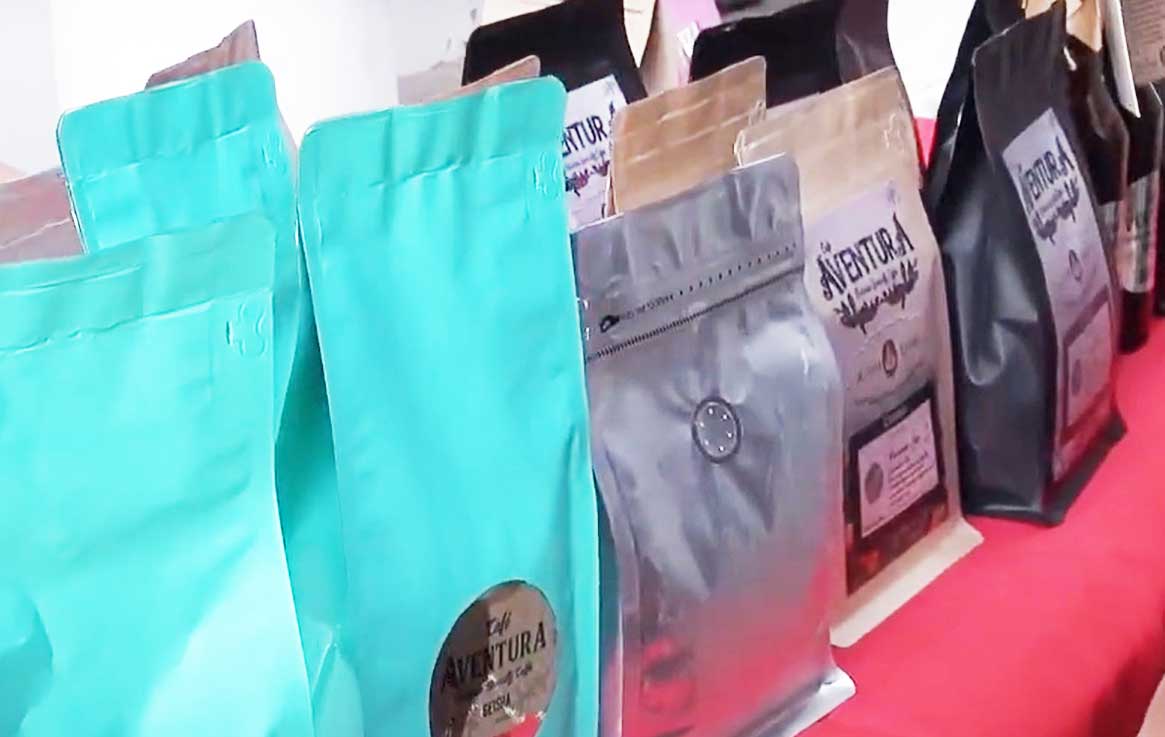
Sucre smells like coffee. This is no metaphor. From its colonial terraces to the open domes of restored churches, the White City has begun to fill with the aroma of its history—slow-roasted and served in a hot cup. And like every good story, this one also has a moment of revelation.
It was a casual yet deeply symbolic discovery. On January 30, 1855—just 30 years after independence—on the very Plaza 25 de Mayo, a pair of Frenchmen opened what is now recognized as Sucre’s first café.
This fact, forgotten by official history, emerged from the shadows of time thanks to brothers Álvaro and Gustavo López Donoso. Álvaro, a passionate researcher, unearthed documents in the Monseñor Miguel de los Santos Taborga Archive and Library; Gustavo, owner of the café Time & Coffee, shared the discovery with the Chuquisaca Governor’s Office.
The revelation coincided with a symbolic moment: the inauguration of Sucre’s Coffee Route, an invitation to explore 31 heritage spaces where history is savored sip by sip.
“A cup of coffee can hold centuries of conversation,” says Carmen Almendras, Departmental Director of the Bicentennial, while presenting the initiative. And she’s right. Because in Sucre, coffee isn’t just drunk—it’s discussed, reflected on, written about. The Coffee Dialogues are born here, gatherings where writers, journalists, historians, politicians, and citizens have met—and will continue to meet—to think about the country with the aroma of freshly brewed coffee.
This route is not just a sensory journey. It is also a strategic alliance. At its inauguration, producers, processors, marketers, exporters, and baristas came together for a common cause: to make coffee a driver of tourism and identity.
Abednego Alipaz Mamani, president of the National Coffee Council, stated it clearly at the “Marketing Roundtable”: “Bolivia used to produce 200,000 bags of coffee. Today we barely reach 37,000.” The reasons? Pests, lack of incentives, rural migration, abandonment of farmland. And yet, in a world driven by volume, Bolivia clings to quality: it ranks among the world’s top ten countries for the most exquisite coffee. Organic, mountain-grown coffee, crafted by expert hands and stubborn hearts.
That quality was recognized at the National Presidential Cup Tournament, which awards the best coffee in the country. The latest winner: Elías Quispe, producer of Geisha, Estambay, Castillo, and SL28 varieties. He has even brought seeds to the Iñao National Park reserve in Chuquisaca, convinced that coffee can be reborn there too, in lands that still remember the green and the taste of rural perseverance.
The Coffee Route is not just a tourist trail. It is a cultural manifesto, an economic strategy, a tribute to those who grow, serve, and converse. Sucre—city of freedom, thought, and encounter—reinvents itself from the cup.
And from now on, when sitting in one of its 31 heritage cafés, every visitor will also be sipping a part of our history.
Por Iván Ramos, Periodismo que Cuenta; Erbol:
INICIATIVA DE TURISMO
Sucre huele a café. No es una metáfora. Desde sus terrazas coloniales hasta las cúpulas abiertas de iglesias restauradas, la Ciudad Blanca ha empezado a perfumarse con el aroma de su historia, tostada a fuego lento y servida en taza caliente. Y como todo buen relato, este también tiene su acto de revelación.
Fue un hallazgo casual pero profundamente simbólico. El 30 de enero de 1855 —apenas 30 años después de la independencia—, en plena plaza 25 de Mayo, un par de franceses abrieron lo que hoy se reconoce como la primera cafetería de Sucre.
El dato, olvidado por la historia oficial, emergió de las sombras del tiempo gracias a los hermanos Álvaro y Gustavo López Donoso. Álvaro, apasionado investigador, rastreó documentos en el Archivo y Biblioteca Monseñor Miguel de los Santos Taborga; Gustavo, propietario de la cafetería Time & Coffee, compartió el hallazgo con la Gobernación de Chuquisaca.
La revelación coincidió con un momento simbólico: la inauguración de la Ruta del Café en Sucre, una invitación a recorrer 31 espacios patrimoniales donde la historia se saborea a sorbos.
“Una taza de café puede contener siglos de conversación”, dice Carmen Almendras, directora Departamental del Bicentenario, mientras presenta la iniciativa. Y tiene razón. Porque en Sucre el café no solo se bebe, se conversa, se piensa, se escribe. Nacen los Diálogos de Café, donde escritores, periodistas, historiadores, políticos y ciudadanos se han citado —y se citarán— para pensar el país con aroma a café recién hecho.
Esta ruta no solo es un viaje sensorial. Es también una alianza estratégica. En su inauguración se dieron cita productores, transformadores, comercializadores, exportadores y cafeteros. Todos reunidos por una causa común: hacer del café un motor del turismo y la identidad.
Abednego Alipaz Mamani, presidente del Consejo Nacional del Café, lo dijo con claridad en la “Mesa de Comercialización”: “Bolivia solía producir 200 mil bolsas de café. Hoy apenas llegamos a 37 mil”. ¿La razón? Plagas, falta de incentivos, migración rural, abandono de las tierras. Y sin embargo, en un mundo dominado por la cantidad, Bolivia se aferra a la calidad: está entre los 10 países del mundo con el café más exquisito. Café orgánico, de montaña, trabajado con manos expertas y corazones tercos.
Esa calidad fue reconocida en el Torneo Nacional de la Taza Presidencial, que premia el mejor café del país. El último ganador: Elías Quispe, productor de Geisha, Estambay, Castillo y SL28. Él mismo ha llevado semillas hasta la reserva del Parque Nacional Iñao, en Chuquisaca, convencido de que el café puede renacer también allí, en tierras que aún no olvidan el verde ni el sabor del esfuerzo campesino.
La Ruta del Café no es solo un recorrido turístico. Es un manifiesto cultural, una estrategia económica, un homenaje a quienes cultivan, a quienes sirven, a quienes conversan. Sucre —ciudad de la libertad, del pensamiento, del encuentro— se reinventa desde la taza.
Y desde ahora, al sentarse en uno de sus 31 cafés patrimoniales, cada visitante estará bebiendo también una parte de nuestra historia.
https://erbol.com.bo/gente/la-capital-del-sabor-sucre-inaugura-su-ruta-del-café

 Bolivian Thoughts | Pensamientos Bolivianos (Bilingual/Bilingüe)