
By Juan Carlos Salinas, El Deber; Eju.tv:
The exchange rate of the foreign currency nearly reached Bs 19, while miners marched in the seat of government due to the lack of diesel. In the markets, oil, eggs, and cheese continue to rise in price, while people’s purchasing power keeps declining
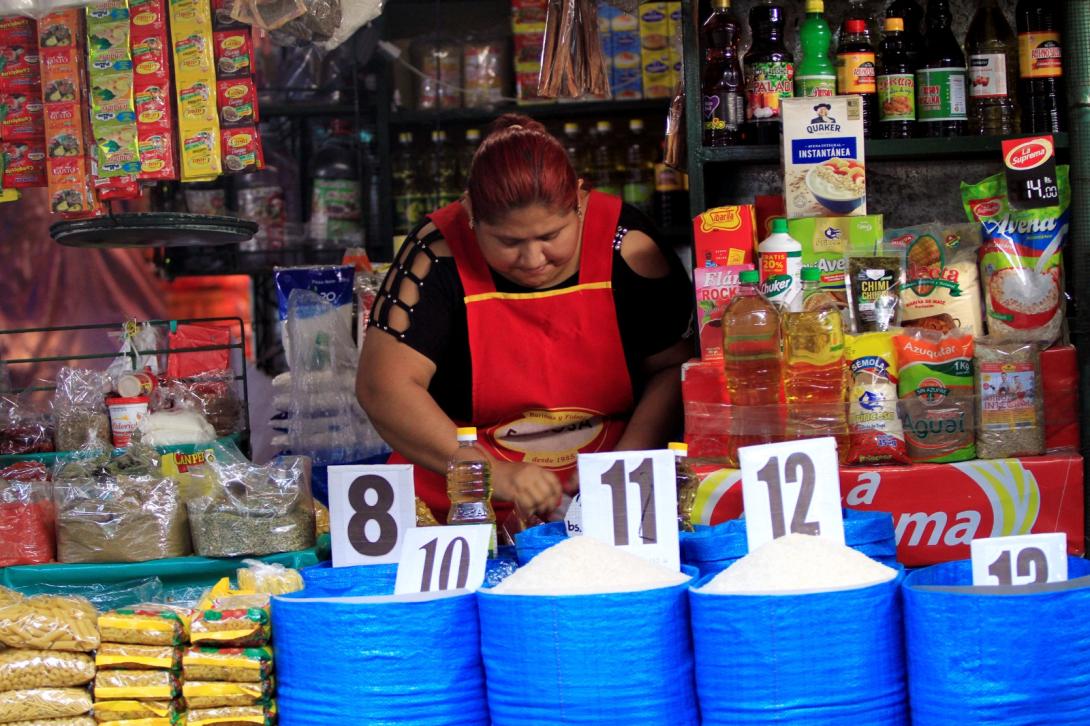
Source: El Deber
The country’s economic situation is at its limit, as the constant rise of the parallel dollar, the irregular supply of diesel, and increasing prices are causing unrest among the population, prompting various sectors to take to the streets demanding a solution from the Government, which they blame for creating an imbalance through its market interventions.
Regarding food prices, the Eastern Agricultural Chamber (CAO) clarified that the price of beef will not go down as long as the State continues its interference and fails to address the “structural crisis hitting the national economy,” which affects both producers and consumers.
From Santa Cruz, during the opening of the 2nd International Seminar on Sustainable Livestock, Klaus Frerking, president of the CAO, criticized the state’s intervention in pricing and production planning, denouncing that the Government acts “from a desk, without understanding the reality of the countryside.”
He stated that the rise in the dollar, fuel shortages, legal uncertainty, and smuggling are causing a generalized increase in costs, which ultimately impact the final consumer directly.
“We don’t set the price of meat — it’s set by the market, by dollarized inputs, by smuggling, by the diesel shortage that’s costing us up to Bs 10 on the black market,” said Frerking, adding that “meat prices won’t go down, because the market is being distorted by political decisions and external factors beyond the producer’s control.”
The soaring parallel dollar
The exchange rate of the parallel dollar and digital dollar (USDT) hovered around Bs 19 yesterday before dropping to Bs 17.82, reaching historic highs, according to Fernando Romero, president of the College of Economists of Tarija. He emphasized that this upward trend in the foreign currency will affect Bolivians’ cost of living, as the prices of food, services, and shipping will all increase.
“Food and other products like personal hygiene items have seen a major price hike. Beef, cheese, eggs, oil, coffee, and hygiene products are all expensive. Going to the market is scary now because your money doesn’t go far,” said Romero.
He noted that as the electoral process continues, the country’s economy will remain uncertain and begin to show its true face — “a harsh, but real one — and by November we’ll likely have more clarity on the exchange rate and inflation level,” Romero said.
On the matter, Gary Rodríguez, general manager of the Bolivian Institute of Foreign Trade (IBCE), said on EL DEBER Radio’s Dinero 360 program that to overcome the current situation, exports of products such as meat and soy need to be “unlocked,” as well as pending loans in the Plurinational Legislative Assembly (ALP). He explained that the parallel dollar’s upward trend is the result of several factors, including the fiscal deficit, the fall of net international reserves, the drop in exports, and the high dependence on imported fuels — all of which are paid for in dollars.
“The economy is not just about numbers; it’s also about psychology, and it needs positive signals for recovery.”
As for dollar demand, Rodríguez said there are two sectors that require the foreign currency: the Government — to import fuels needed by the productive sector and civil society — and businesspeople, who import inputs, capital goods, equipment, and recently, fuel.
Diesel shortage
Heavy transport already began pressure measures by blocking the La Paz-Oruro highway on Wednesday, demanding diesel. In addition, today they are holding a national assembly to determine what pressure tactics to begin starting Monday, May 19.
Miners’ cooperatives have joined in, staging a massive march in the seat of government yesterday to demand diesel and dollars.
The protest was organized by the Federation of Gold Mining Cooperatives of Northern La Paz (Fecoman) and was mandatory for members, under threat of economic sanctions exceeding Bs 130,000 for each cooperative that did not participate.
Amid traffic chaos, Fecoman leaders denounced a severe crisis caused by the diesel shortage and lack of dollars.
“Our rights cannot be violated. This march is mainly to demand diesel supply, provision of dollars, and attention to the basic family basket,” said one leader during the protest.
High prices
The effects of the parallel dollar are being felt in the markets, and as economist Germán Molina pointed out, they impact Bolivia’s 11 million citizens to varying degrees, with lower-income sectors suffering the most from rising food prices.
In many markets around the country, a liter of oil now exceeds Bs 25, despite the official price being Bs 14. While the Government insists there is sufficient production and blames speculators and hoarding by sellers, consumers face prices that are double the official rate.
Jorge Amantegui, president of the Bolivian Chamber of Oilseed Industries (Caniob), supported the Government’s view that industrial supply is guaranteed, but noted that intermediaries may be causing market distortions through speculation.
Por Juan Carlos Salinas, El Deber; Eju.tv:
La cotización de la divisa extranjera rozó los Bs 19, mientras que los mineros marcharon en la sede de Gobierno por la falta de diésel. En los mercados el aceite, huevo y queso tienden alza, mientras el poder adquisitivo de las personas es cada vez menor
Fuente: El Deber
El escenario económico del país está al límite, pues el alza constante del dólar paralelo, el abastecimiento irregular de diésel y el incremento de los precios genera malestar en la población y diferentes sectores salen a la calle exigiendo una solución al Gobierno, al que observan que su intervención en el mercado ha provocado un desequilibrio.
En cuanto al precio de los alimentos, desde la Cámara Agropecuaria del Oriente (CAO) precisaron que el valor la carne de res no bajará mientras el Estado mantenga su intervención y no se enfrente la “crisis estructural que golpea a la economía nacional”, afectando a productores y consumidores.
Desde Santa Cruz, durante la inauguración del II Seminario Internacional de Ganadería Sostenible, Klaus Frerking, presidente de la CAO, cuestionó la intervención estatal en los precios y la planificación productiva, denunciando que el Gobierno actúa “desde un escritorio, sin entender la realidad del campo”.
Afirmó que el incremento del dólar, la escasez de combustible, la inseguridad jurídica y el contrabando están provocando un alza generalizada de los costos, que termina impactando directamente en el consumidor final.
“Nosotros no fijamos el precio de la carne, lo fija el mercado, lo fijan los insumos dolarizados, lo fija el contrabando, lo fija la falta de diésel que estamos pagando hasta en Bs 10 en el mercado negro”, sostuvo Frerking, a tiempo de asegurar que el precio de la “carne no va a bajar de precio, porque el mercado está siendo distorsionado por decisiones políticas y factores externos que están fuera del control del productor”.
La disparada del dólar paralelo
La cotización del dólar paralelo y del dólar digital (USDT) durante la jornada de ayer estuvo cerca de los Bs 19, para luego bajar a los Bs 17,82, alcanzado valores históricos, como lo definió el presidente del Colegio de Economistas de Tarija, Fernando Romero, que puntualizó esta conducta alcista de la divisa extranjera tendrá un impacto en el costo de vida de los bolivianos, pues el precio de los alimentos, servicios y fletes si van a incrementar.
“Los alimentos y otros productos como los del aseo personal han registrado un alza importante. La carne de res, queso, huevo, aceite, el café y los productos de aseo personal tienen precios altos. Ya da miedo ir a los mercados, pues no te alcanza el dinero que llevas”, indicó Romero.
Que remarcó que mientras avance el proceso electoral, la economía del país será incierta y mostrará su verdadero rostro, “uno muy duro, pero real y que a partir de noviembre se tenderá la certeza a cuanto llegar el dólar y cuál es el valor de la inflación”, dijo Romero.
Sobre el tema, Gary Rodríguez, gerente general del Instituto Boliviano de Comercio Exterior (IBCE), en el programa Dinero 360, de EL DEBER Radio, sostuvo que para superar esta coyuntura se debe “destrabar” las exportaciones de productos como la carne y la soya, así como los créditos pendientes en la Asamblea Legislativa Plurinacional (ALP) y puntualizó que la tendencia alcista del dólar paralelo es el resultado de varios factores, entre ellos: el déficit fiscal, la caída de las reservas internacionales netas, la caída de las exportaciones, la alta dependencia de la importación de combustibles, que se paga en dólares.
“La economía no solamente es numerología, también es psicología, y precisa de buenas señales para su recuperación”.
En cuanto a la demanda de dólares, Rodríguez sostuvo que dos son los sectores que precisan de la divisa extranjera: el Gobierno, para importar combustibles, necesarios para el sector productivo y la sociedad civil; y los empresarios, que importan insumos, bienes de capital, equipos y, últimamente, combustibles.
Falta de diésel
Ya el transporte pesado inicio medidas de presión al bloquear, la jornada del miércoles, el tramo La Paz-Oruro, demanda de diésel, a lo que se debe sumar que la jornada de hoy mantendrán un ampliado nacional para analizar las medias de presión que pondrán en marcha desde el lunes, 19 de mayo.
Al transporte se sumaron los cooperativistas mineros, que ayer realizaron una marcha masiva en la sede de Gobierno en demanda de diésel y dólares.
La movilización fue organizada por la Federación de Cooperativas Mineras Auríferas del Norte de La Paz (Fecoman), fue de carácter obligatorio para sus afiliados, bajo amenaza de sanciones económicas que superan los Bs 130.000 por cooperativa ausente.
En medio del caos vehicular, los dirigentes de Fecoman denunciaron una crisis severa por la escasez de diésel y la falta de dólares.
“Nuestros derechos no pueden ser vulnerados. Esta marcha exige principalmente el abastecimiento de diésel, la provisión de dólares y atención a la canasta familiar”, señaló un dirigente durante la protesta.
Precios caros
El efecto del dólar paralelo se hace sentir en los mercados y como indicó, el economista, Germán Molina afecta, en distintos grados a los 11 millones de bolivianos y que los sectores con bajos ingresos son los que más sienten el incremento del precio de los alimentos.
En varios mercados del país el litro de aceite supera los Bs 25, pese a que el precio oficial es de Bs 14. Mientras el Gobierno asegura que hay suficiente producción y acusa a los comercializadores de ocultamiento y especulación, los consumidores enfrentan precios que duplican lo establecido.
Jorge Amantegui, presidente de la Cámara de Industrias Oleaginosas de Bolivia (Caniob), respaldó la lectura del Gobierno, de que el abastecimiento está garantizado desde la industria, pero hizo notar que el rol de los intermediarios puede estar generando distorsiones por la especulación.ndo distorsiones por la especulación.
https://eju.tv/2025/05/bolivia-en-vilo-el-dolar-se-dispara-falta-diesel-y-los-precios-no-dan-tregua/

 Bolivian Thoughts | Pensamientos Bolivianos (Bilingual/Bilingüe)