
By Fernando Chavez, Vision 360:
Diagnosis
“Parties are an extension of personal careers, they have no ideology,” says an analyst
“Operators have a low ideological profile, there are no guiding principles and programs are not discussed—only the attributes of the leaders,” criticizes Ricardo Fuentes.
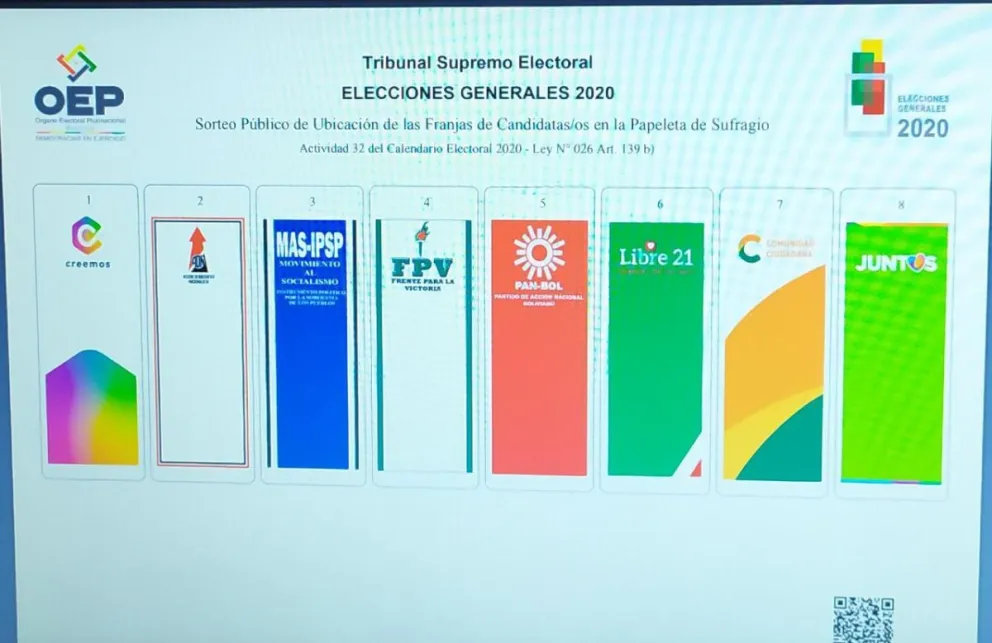
A ballot from the 2020 elections. Photo: Social Media
Political analyst Ricardo Fuentes stated this Sunday that political parties in the country are an “adversity” for the population, that they use power in a “self-serving” way, and that they are, moreover, an extension of personal careers. They have no ideology, do not discuss programs, and caudillismo persists within them.
Asked whether there is a crisis among parties, why so many alliances are emerging, and the reasons why these organizations “sell out,” Fuentes pointed out: “It’s concerning and deserves reflection—parties are the main channels of representation, and their crisis affects democracy and development, leaving them exposed to social neglect.”
This party crisis, he noted, represents an adversity for society. “They are immersed in a patrimonialist culture, in the self-serving use of power, as if power were an extension of private interests. They do not view themselves as a public space, but rather as an extension of that personal and patrimonial career,” the analyst said during an interview with Radio Panamericana.
He went on to say, “Their operators have a low ideological profile, there are no guiding principles, and programs are not discussed—only the attributes of the leaders.” “There is a caudillismo; we see it in Evo Morales, in Tuto, in Samuel, and a serious lack of internal democracy.”
He also stated that the pacts between parties, alliances, and groupings have triggered a “polarization that is harmful to the economy.” “They don’t even comply with the agenda of the third multiparty meeting.”
All of this, he indicated, shows a breakdown of the party system, which tends to worsen rather than be resolved.
“The trigger has been the fracture of the dominant party (MAS) in the Assembly. We need a stable party system; politics is not a space for the creation of goods and services, but rather an element of representation, of debate, and of channeling citizens’ demands,” he warned.
“The alliances have a very poor outlook because the history of coalitions in the past already foretells their fate, rooted in inefficiency, corruption, and quota-sharing. The crisis of democracy must be resolved with more democracy and participation,” he criticized.
He predicted that after the elections, political volatility will increase, and several groups will disappear and others will have to be hastily founded.
Por Fernando Chavez, Vision 360:
Diagnóstico
“Los partidos son una extensión de carreras personales, no tienen ideología”, dice un analista
“Los operadores tienen un bajo perfil ideológico, no hay idearios y no se discuten programas, sino los atributos de los líderes”, critica Ricardo Fuentes.
Una papeleta electoral de los comicios de 2020. Foto: RRSS
El analista político Ricardo Fuentes sostuvo este domingo que los partidos políticos en el país son una “adversidad” para la población, que utilizan de “manera mezquina” el poder y que son, además, una extensión de carreras personales, no tienen ideología, no discuten programas y que persiste en ellos el caudillismo.
Consultado sobre si existe una crisis en los partidos, el por qué el surgimiento de varias alianzas y las razones por las estas organizaciones “se venden”, Fuentes apuntó: “Es preocupante y merece una reflexión, los partidos son los principales canales de representación y su crisis afecta a la democracia y al desarrollo y están expuestos a una desatención social”.
Esta crisis de partidos, señaló, representa una adversidad para la sociedad. “Están sumidos en una cultura patrimonialista, de utilización mezquina del poder, como si este fuese una extensión de la proyección del interés privado. No se conciben como un espacio público, sino como una extensión de esa carrera personal y patrimonial”, expresó el analista durante una entrevista con radio Panamericana.
Además, continuó, “sus operadores tienen un bajo perfil ideológico, no hay idearios y no se discuten programas, sino los atributos de los líderes”. “Hay un caudillismo, lo vemos en Evo Morales, en Tuto, Samuel, y un fuerte déficit de democracia interna”.
Además, consideró que los pactos entre los partidos con alianzas y agrupaciones, han desatado una “polarización, perjudicial para la economía”. “Ni siquiera cumplen con la agenda del tercer encuentro multipartidario”.
Todo ello muestra, indicó, una descomposición del sistema de partidos, lo que tiende a agravarse en lugar de solucionarse.
“El detonante ha sido la fractura del partido dominante (MAS) en la Asamblea, necesitamos un sistema de partidos estable, la política no es un ambiente de creación de bienes y servicios sino un elemento de representación, de debate y de canalización de las demandas ciudadanas”, alertó.
“Las alianzas son de muy mal pronóstico porque la historia de las coaliciones en el pasado nos anuncia su suerte, fundadas en la ineficiencia, corrupción y cuoteo, la crisis de la democracia debe resolverse con más democracia y participación”, criticó.
Adelantó que luego de las elecciones se acrecentará la volatilidad política y varias tiendas desaparecerán y tendrán que fundarse otras, “a la ligera”.

 Bolivian Thoughts | Pensamientos Bolivianos (Bilingual/Bilingüe)