
By Iván Ramos, Erbol:
CHUQUISACA
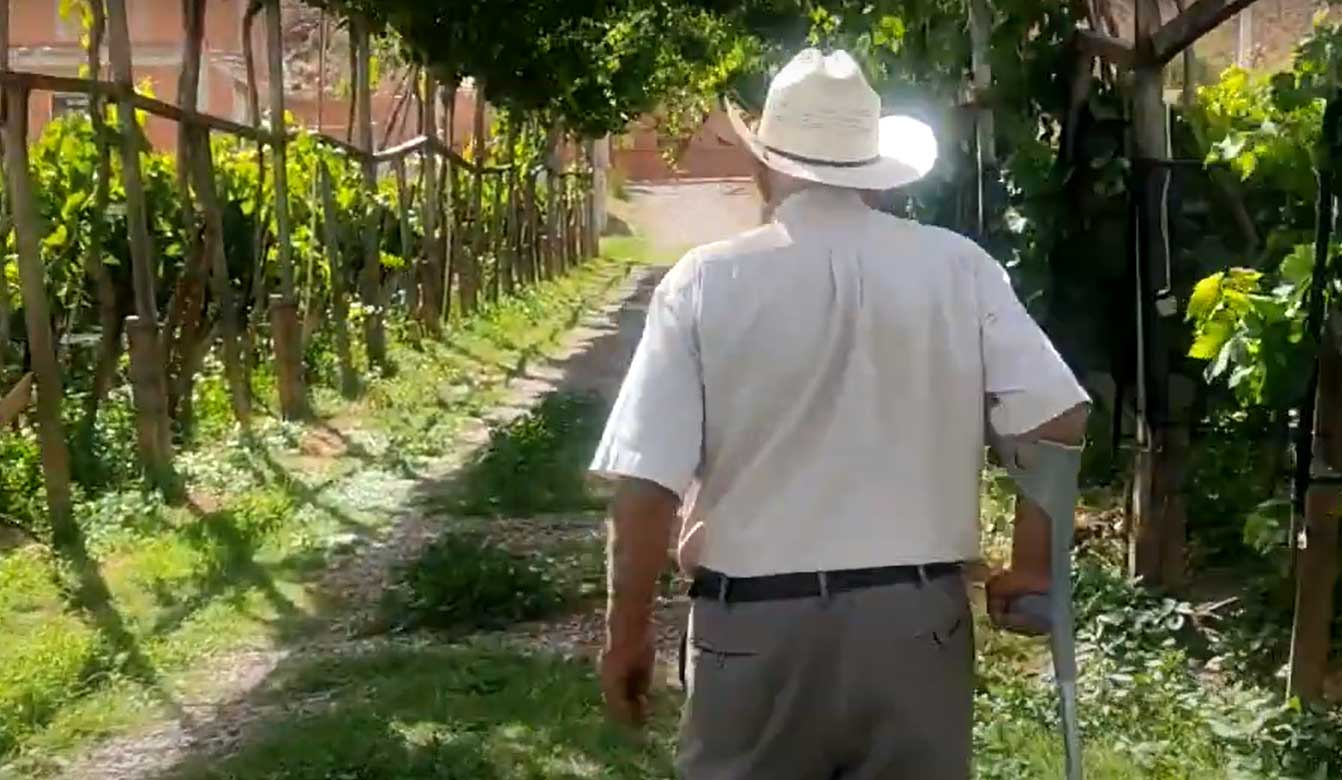
The warm breeze of the Camargo valley carries an unmistakable aroma: ripe grapes, ready to be transformed into the wine and singani that have given this land its everlasting fame. “The grapes perfume the entire valley of Camargo with their fragrance,” describes Marina Rivera Pereira, with the voice of someone who has grown up among vineyards and wine presses. It is no coincidence that this southern Bolivian region is known as the land “Of the Sun and Wine.”
During the recent presentation of the National Viticulture Fair (Fenavit) 2025, the mayor of Camargo, Dorfio Mancilla, could not hide his enthusiasm: “When you arrive anywhere in Bolivia or abroad, the first thing people ask about is the wine,” he proudly stated. And it’s no exaggeration. From March 6 to 9, Camargo will welcome 32 municipalities from six departments—La Paz, Santa Cruz, Cochabamba, Potosí, Tarija, and Chuquisaca. It will be a celebration of aromas and flavors, featuring academic sessions, exhibitions, a folkloric festival, tastings, and samplings. As every year, it will be the grand festival of wine and singani.
The red hills of the valley guard century-old vineyards that ferment wine or distill singani, the renowned Bolivian elixir. Camargo sits at the head of the Cintis Canyon, a region that extends to municipalities such as La Carreras, Villa Abecia, and San Lucas, all part of this winemaking tradition. Here, on 250 hectares, vines thrive, supplying 12 semi-industrial wineries and 24 traditional ones.
For those visiting Camargo, time seems to stand still. The mornings are warm, the peace of the surroundings absolute, and the estates overflow with seasonal fruit. In this region, history is uncorked in every glass. Wine production was born here to supply the mines of Potosí, but its legacy outlived the mining boom, becoming a symbol of identity and pride.
What is Camargo’s secret? The purity of its rivers, the meandering irrigation channels that nourish the vineyards, the dry air that preserves the distilled spirits, the altitude, the sun, the magic of the red canyon. Bolivian viticulture has over 400 years of history, dating back to when priests and missionaries introduced the grapevine and made it flourish in this generous soil.
Singani, that unmistakable spirit, originated in Chuquisaca, in the municipality of San Lucas, Uruchini district. Its name comes from the Aymara-Quechua word “siwingani,” meaning “abundant in siwinga,” a native plant of the region. Distillation first took place in the k’onchana, the ancient clay stove where aguardiente came to life. Today, Camargo’s singani boasts international awards and stands as Bolivia’s flagship spirit.
For Roxana Acosta, a tourism consultant, Fenavit is more than just a fair—it is a cultural and economic pillar of the region. “We proudly raise our glasses to toast centuries of preserving authenticity and its designation of origin,” she says with emotion.
The legacy of wine and singani lives on in new generations. Jaime Rivera Baldivieso, seated among his vines, confesses that producing these elixirs is his passion. His wife, Carmela, bakes a pork roast whose aroma mingles with the scent of grapes and wine. Jaime Andrés Rivera proudly states that he is the fifth generation to preserve the soul of the alembic. “Cepas de Oro” is the name of their estate, where tradition remains untouched.
Awards have recognized this effort. In 2023, Camargo producers won double gold medals in Chile with their Muscat of Alexandria and Negra Criolla varieties. “We were the first to win international awards with heritage grape varieties,” Rivera celebrates.
Herikha Martínez Rivera, president of the Camargo Hotel Chamber, mentions that around 400 beds are available in hotels, hostels, and estates, ready to welcome visitors drawn by Fenavit’s charm.
Marco Catari, an exceptional guide, puts it nostalgically: “Being in Camargo is like stepping back in time; every corner here has a story to tell.” His tours through estates and wineries over 400 years old take visitors on a journey to the very essence of Bolivian viticulture.
Finally, at the Fenavit presentation, Cinti beauty had a name of its own. Renata Mancilla Cortez, a representative of the estate La Quimera, just 16 years old and with a radiant smile, raised her glass and, with the elegance of someone who carries tradition in her blood, extended the most genuine invitation: “I’ll be waiting for you in the land of the Sun and Wine.”
March is near, and Camargo is already preparing to welcome lovers of fine wine and singani. Here, among its reddish hills and clear skies, history continues to ferment its purest essence.
Por Iván Ramos, Erbol:
CHUQUISACA
La brisa tibia del valle de Camargo arrastra un aroma inconfundible: la uva madura, lista para transformarse en el vino y singani que han dado a esta tierra su fama imperecedera. “La uva perfuma con su fragancia todo el valle de Camargo”, describe Marina Rivera Pereira, con la voz de quien ha crecido entre parras y lagares. No en vano, este rincón del sur de Bolivia es conocido como la tierra “Del Sol y del Vino”.
En la reciente presentación de la Feria Nacional Vitivinícola (Fenavit) 2025, el alcalde de Camargo, Dorfio Mancilla, no ocultó su entusiasmo: “Cuando uno llega a algún lugar de Bolivia o del exterior, lo primero que pregunta la gente es por el vino”, afirmó con orgullo. No es una exageración. Del 6 al 9 de marzo, Camargo abrirá sus puertas a 32 municipios de seis departamentos: La Paz, Santa Cruz, Cochabamba, Potosí, Tarija y Chuquisaca. Será una celebración de aromas y sabores, con jornadas académicas, exposiciones, un festival folklórico, catas y degustaciones. Será, como cada año, la gran fiesta del vino y del singani.
Los cerros colorados del valle resguardan en su entraña viñedos centenarios que fermentan el vino o destilan el singani, ese elixir boliviano de renombre mundial. Camargo es la cabecera del Cañón de los Cintis, una región que se extiende hacia municipios como La Carreras, Villa Abecia y San Lucas, todos parte de esta tradición vitivinícola. Aquí, en 250 hectáreas, crecen las vides que alimentan a 12 bodegas semiindustriales y 24 bodegas tradicionales.
Para quienes visitan Camargo, el tiempo parece detenerse. Las mañanas son tibias, la paz del entorno es absoluta y las haciendas rebosan con la fruta de la temporada. En esta región, la historia se destapa en cada copa. La producción de vino nació aquí para abastecer las minas de Potosí, pero su legado trascendió la explotación minera y se convirtió en símbolo de identidad y orgullo.
¿Dónde está el secreto de Camargo? En la pureza de sus ríos, en las acequias serpenteantes que riegan las viñas, en el aire seco que favorece la conservación de los destilados, en la altura y el sol, en la magia del cañón colorado. La vitivinicultura boliviana tiene más de 400 años de historia, desde que los sacerdotes y misioneros trajeron la vid y la hicieron prosperar en este suelo generoso.
El singani, ese destilado inconfundible, nació en Chuquisaca, en el municipio de San Lucas, cantón Uruchini. Su nombre proviene del aymara-quechua “siwingani”, que significa “abundante en siwinga”, una planta de la región. En estas tierras, la destilación tuvo su cuna en la k’onchana, el antiguo fogón de barro donde el aguardiente cobraba vida. Hoy, el singani de Camargo ostenta premios internacionales y se alza como el destilado insignia de Bolivia.
Para Roxana Acosta, consultora en turismo, la Fenavit no es solo una feria, sino un pilar cultural y económico para la región. “Con orgullo alzamos nuestra copa para brindar por los siglos de preservación de lo auténtico y su denominación de origen”, expresa con emoción.
El legado del vino y el singani sigue vivo en las nuevas generaciones. Jaime Rivera Baldivieso, sentado entre sus parrales, confiesa que la producción de estos elixires es su pasión. Su esposa, Carmela, hornea un cerdo cuyo aroma se entremezcla con el perfume de la uva y del vino. Jaime Andrés Rivera, con orgullo, cuenta que es la quinta generación en conservar el alma del alambique. “Cepas de Oro” es el nombre de su hacienda, donde la tradición se mantiene intacta.
Los premios han sido testigos de este esfuerzo. En 2023, los productores de Camargo obtuvieron doble medalla de oro en Chile con la Moscatel de Alejandría y la Negra Criolla. “Fuimos los primeros en ganar premios internacionales con variedades patrimoniales”, celebra Rivera.
Herikha Martínez Rivera, presidenta de la Cámara Hotelera de Camargo, menciona que hay cerca de 400 camas disponibles, entre hoteles, hostales y haciendas, listas para recibir a los visitantes que llegan atraídos por el encanto de la Fenavit.
Marco Catari, un guía excepcional, lo dice con nostalgia: “Estar en Camargo es retroceder en el tiempo, aquí cada rincón tiene una historia que contar”. Sus recorridos por haciendas y bodegas de más de 400 años son un viaje a la esencia misma de la vitivinicultura boliviana.
Finalmente, en la presentación de la Fenavit, la belleza cinteña tuvo nombre propio. Renata Mancilla Cortez, representante de la hacienda “La Quimera”, con apenas 16 años y una sonrisa radiante, alzó su copa y, con la elegancia de quien lleva la tradición en la sangre, lanzó la invitación más genuina: “Los espero en la tierra del Sol y del Vino”.
Marzo está cerca, y Camargo ya se prepara para recibir a los amantes del buen vino y el singani. Aquí, entre sus colinas rojizas y su cielo despejado, la historia sigue fermentando su esencia más pura.
https://erbol.com.bo/gente/fenavit-2025-el-corazón-del-singani-y-el-vino-late-en-camargo

 Bolivian Thoughts | Pensamientos Bolivianos (Bilingual/Bilingüe)