
By Marisol Alvarado, Vision 360:
Biocide
A team of prosecutors investigates illegal jaguar hunting in San Matías; two foreign nationals identified
Alberto Zeballos, departmental prosecutor of Santa Cruz, stated that the investigation was launched for the crimes of biocide and destruction of state property, especially considering that the jaguar is an endangered species not only in Bolivia but worldwide.
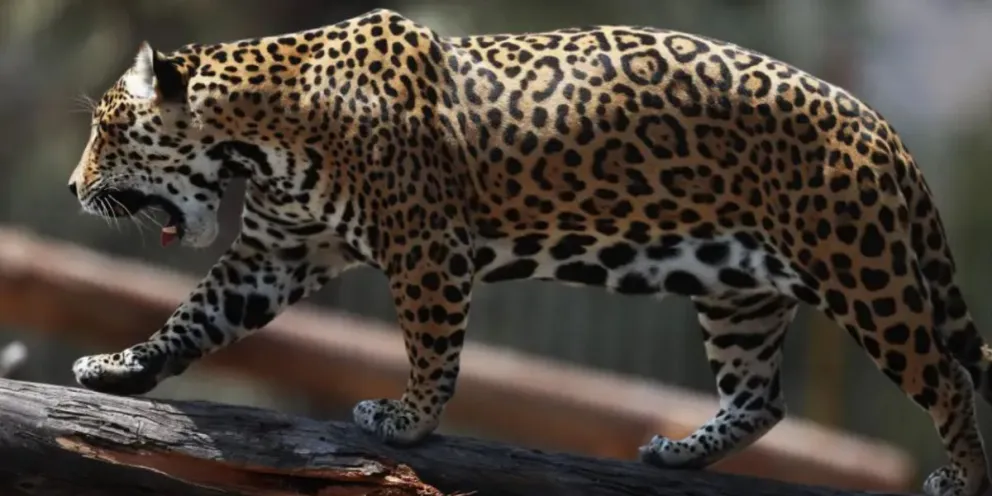
A referential photograph from September 26, 2024, of a jaguar at the Vesty Pakos Biopark in La Paz. Photo: EFE
A team of prosecutors has launched an investigation into the illegal hunting of jaguars in the municipality of San Matías, in the department of Santa Cruz. So far, two foreign nationals have been identified—one Argentine and one Spanish—who are involved in this crime.
Alberto Zeballos, departmental prosecutor of Santa Cruz, stated that the investigation was initiated for the crimes of biocide and destruction of state property, especially considering that the jaguar is an endangered species not only in Bolivia but worldwide.
As part of the data collection process and efforts to gather evidence for the investigation, Zeballos mentioned that authorities have contacted the National Institute of Agrarian Reform (INRA) to determine whether the land where the crime occurred is private property or a national reserve.
A report by Revista Nómadas exposed the illegal hunting of jaguars promoted by the Argentine company Caza & Safaris Argentina, which offered international hunters packages of up to $50,000 to kill jaguars in protected areas of eastern Bolivia.
The organization, led by Jorge Néstor Noya, has reportedly conducted at least 30 illegal expeditions since the 1980s, focusing on jaguar hunting in protected areas.
According to Zeballos, the two identified foreigners—from Spain and Argentina—are already linked to the case. It is suspected that one captured the animals while the other committed the biocide.
He added that international legal cooperation would be sought to investigate the backgrounds of the two identified individuals and determine whether they have criminal records or are under investigation in their home countries for biocide or the illegal trafficking of wildlife.
“The fauna and ecosystem contribute to ensuring the country’s ecological balance,” concluded the chief prosecutor of Santa Cruz.
Por Marisol Alvarado, Vision 360:
Biocidio
Comisión de fiscales investiga caza ilegal de jaguares en San Matías, hay dos extranjeros identificados
Alberto Zeballos, fiscal departamental de Santa Cruz, dijo que la indagación se activó por los delitos de biocidio y destrucción de bienes del Estado, más aún cuando el jaguar es un animal en peligro de extinción no solo en Bolivia, sino en el mundo.
Una fotografía referencial del 26 de septiembre de 2024 de un jaguar en el bioparque Vesty Pakos, en La Paz. Foto: EFE
Una comisión de fiscales inició la investigación de la caza ilegal de jaguares que se realiza en el municipio de San Matías, en el departamento de Santa Cruz. Al momento se tienen dos extranjeros identificados, uno argentino y otro español, que están involucrados en este ilícito.
Alberto Zeballos, fiscal departamental de Santa Cruz, expresó que la indagación se activó por los delitos de biocidio y destrucción de bienes del Estado, más aún cuando el jaguar es un animal en peligro de extinción no solo en Bolivia, sino en el mundo.
En el marco de la recolección de datos y elementos que coadyuven a la investigación, Zeballos indicó que se recurrió, por ejemplo, al Instituto Nacional de Reforma Agraria (INRA) para determinar si el predio donde ocurrió el delito es un inmueble particular o es una reserva nacional.
Un reportaje de la Revista Nómadas denunció la caza ilegal de jaguares promovida por la empresa argentina Caza & Safaris Argentina que ofrecía paquetes de hasta $us 50.000 a cazadores internacionales para matar jaguares en áreas protegidas del oriente boliviano.
La organización, liderada por Jorge Néstor Noya, organizó al menos 30 expediciones ilegales desde la década de 1980, enfocadas en la caza de jaguares en áreas protegidas.
Según Zeballos, ya se tienen identificados a dos extranjeros, de España y Argentina. Ambos ya están involucrados en el hecho que se investiga, y se presume que uno captaba a los animales y el otro cometía el biocidio.
Agregó que se apelará a la cooperación jurídica internacional, para conocer los antecedentes de los dos ciudadanos identificados, si estos tienen procesos penales en sus países o investigaciones por biocidio o trata y tráfico ilegal de vida silvestre.
La fauna y el ecosistema contribuyen a garantizar el sistema ecológico en el país, finalizó la principal autoridad del Ministerio Público de Santa Cruz.

 Bolivian Thoughts | Pensamientos Bolivianos (Bilingual/Bilingüe)