
By Juan Jose Toro Montoya, Vision 360:
If Evo and his followers didn’t have their evident tendency toward violence, they would have let a period pass so that their leader could run again, but as it seems, they don’t want to relinquish power even for an instant.
Juan Evo Morales Ayma could have gone down in history as Bolivia’s Mandela, but he lost that opportunity forever.

He came to power by winning elections with an absolute majority and managed to convene a Constituent Assembly, which brought a new Political Constitution of the State into effect. He could have been a conciliator, like Mandela, but he chose the path of confrontation, and that’s his style—a tendency that has only worsened over the years.

Mandela was a communist, and the main objective of his struggle was to eliminate apartheid, which divided South Africa by supposed races. His activism earned him a life sentence, but international pressure secured his release after 27 years. He participated in elections and also won with an absolute majority, allowing him to change his country’s constitution. The big difference with Morales is that the South African leader was so conciliatory that he even included his predecessor in his government.
Due to the enormous support he had, Mandela could have been re-elected, but he chose to govern for just one term, from 1994 to 1999. After completing his term, he retired to private life, though he returned to politics—not to govern again, but through a foundation that outlives him.
Evo Morales didn’t just govern for one term but several, consecutively, and when he wanted to amend the constitution to run again, the Bolivian majority told him “no.” Instead of respecting the popular will, he overrode it, which cost him a popular uprising that eventually forced him out of power.

If Evo and his followers didn’t have their evident tendency toward violence, they would have let a period pass so that their leader could run again. But as it turns out, they don’t want to relinquish power even for an instant. That is no longer politics, but something deeper that deserves to be analyzed—perhaps even psychiatrically.
From its name, MAS calls itself socialist, but its methods, characterized by clear authoritarianism, are something else and more closely resemble the fascism of Benito Mussolini. As my colleague and fellow countryman Andrés Gómez recalled in his latest article, Mussolini organized the March on Rome in 1922, aimed at forcing the resignation of Italy’s then-Prime Minister, Luigi Facta. The march succeeded in its goal, and Mussolini rose to power, which he held onto until he, too, was forcibly removed.
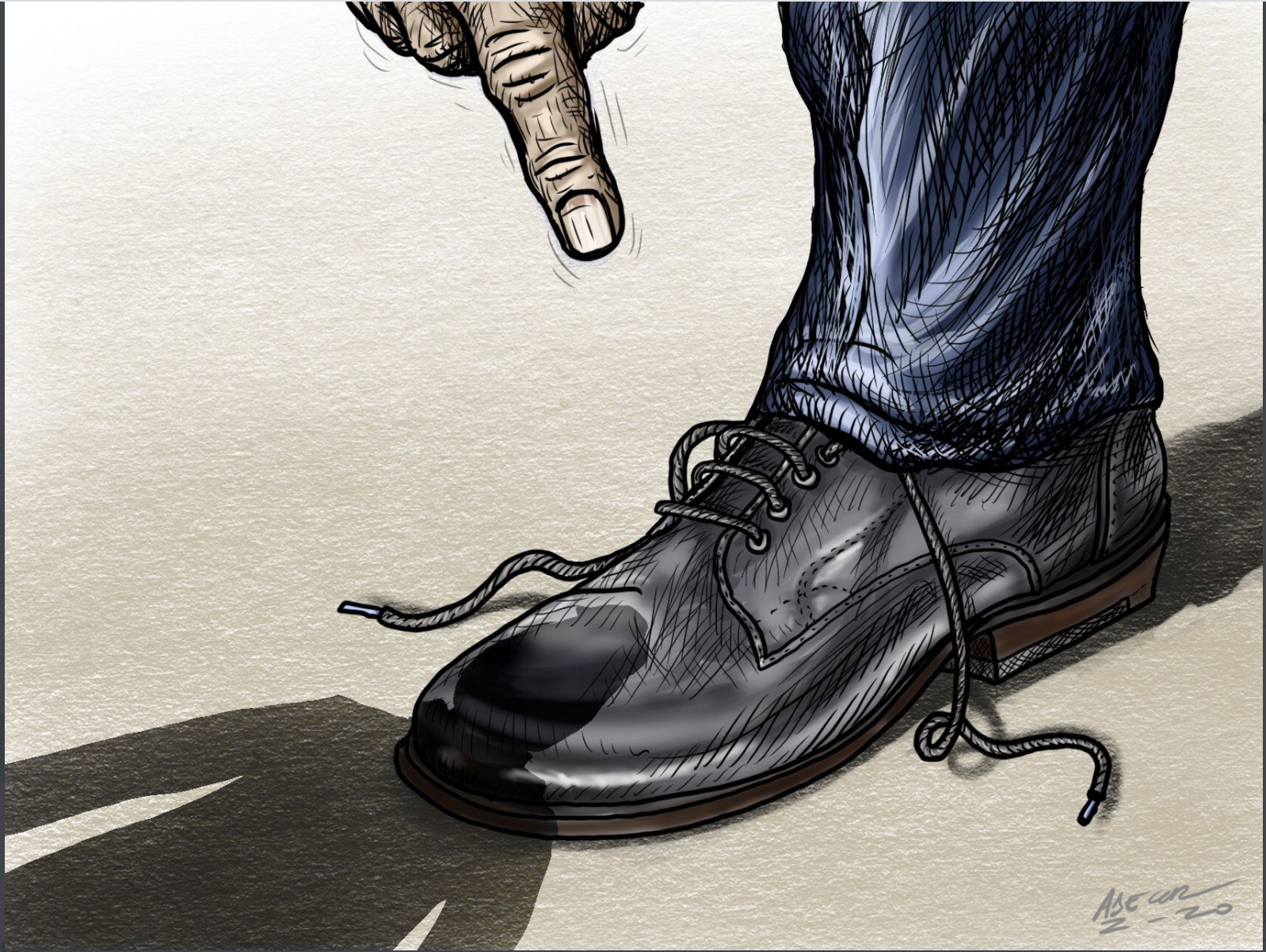
The march to La Paz that ended on Monday was quite similar to the Italian fascist march of 1922. Beyond the disputes between the “Evistas” and the “Arcistas,” the main victims were journalists who suffered the wrath of the marchers. Their hatred and cowardice reached such extremes that they even brutally assaulted a woman.
Fascism promotes nationalism and the mobilization of the masses—methods the MAS employs, using indigenism as its ideological base. With that background, it’s clear that this political organization, regardless of its internal “factions,” is not socialist but fascist.
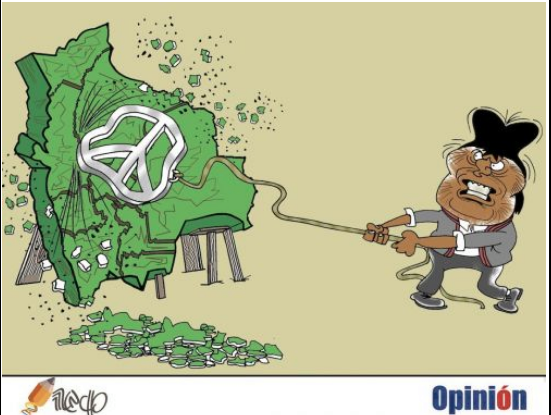
Now, the fascist MAS is divided. One of its leaders, Evo Morales, seeks to topple the other, Luis Arce, in his desperation to return to power. The pathetically ironic thing is that the fascist march to La Paz was labeled “to save Bolivia” when the facts show that, in reality, that party is sinking the country.
Por Juan Jose Toro Montoya, Vision 360:
Si Evo y sus seguidores no tuvieran su evidente tendencia a la violencia, hubieran dejado pasar un periodo para que su líder se postule nuevamente, pero, por lo visto, no quieren dejar el poder ni siquiera por instantes.
Juan Evo Morales Ayma pudo pasar a la historia como el Mandela boliviano, pero perdió esa oportunidad para siempre.
Llegó al poder ganando elecciones por mayoría absoluta y logró convocar a una Asamblea Constituyente con la que se puso en vigencia una nueva Constitución Política del Estado. Pudo ser conciliador, como Mandela, pero eligió el camino de la confrontación y ese es su estilo, una tendencia que no ha hecho más que empeorar con el paso de los años.
Mandela era comunista y el objetivo principal de su lucha fue eliminar el “apartheid”, que dividía a Sudáfrica por supuestas razas. Su activismo le valió cadena perpetua, pero la presión internacional logró liberarlo después de 27 años. Participó en las elecciones y también ganó por una mayoría absoluta que le permitió cambiar la Constitución de su país. La gran diferencia con Morales es que el sudafricano fue tan conciliador que incluso admitió a su antecesor en su gobierno.
Por el enorme respaldo que tenía, Mandela pudo hacerse reelegir, pero optó por gobernar solo un período, de 1994 a 1999. Cumplido su mandato, se retiró a la vida privada, aunque volvió a la política, no para gobernar de nuevo, sino mediante una fundación que le sobrevive.
Evo Morales no solo gobernó por un período sino varios, de manera continua, y, cuando quiso modificar la Constitución para volver a postular, la mayoría boliviana le dijo “no”. En lugar de respetar la voluntad popular, pasó por encima y eso le costó una insurrección popular que consiguió sacarlo del poder.
Si Evo y sus seguidores no tuvieron su evidente tendencia a la violencia, hubieran dejado pasar un período para que su líder se postule nuevamente, pero, por lo visto, no quieren dejar el poder ni siquiera por instantes. Eso ya no es política sino algo más que merece analizarse hasta psiquiátricamente.
Desde su nombre, el MAS se autodenomina socialista, pero sus métodos, caracterizados por un evidentemente autoritarismo, son otros y se aproximan más al fascismo de Benito Mussolini. Como recordó mi colega y paisano Andrés Gómez en su último artículo, Mussolini organizó la marcha sobre Roma en 1922 que tenía el objetivo de conseguir la renuncia del entonces primer ministro de Italia, Luigi Facta. La marcha logró su propósito y Mussolini ascendió al poder que no soltaría hasta que también lo sacaron por la fuerza.
La marcha a La Paz que terminó el lunes fue muy parecida a la marcha fascista italiana de 1922. Más allá de los líos entre “evistas” y “arcistas”, los principales damnificados fueron periodistas que sufrieron la furia de los marchistas. Su odio y cobardía llegó a tal extremo que incluso golpeó salvajemente a una mujer.
El fascismo promueve el nacionalismo y la movilización de las masas, que son los métodos del MAS, que usa el indianismo como base ideológica. Con ese antecedente, es obvio que esa organización política, sin distinción de “alas” no es socialista, sino fascista.
Ahora, el fascista MAS está dividido. Uno de sus líderes, Evo Morales, busca tumbar al otro, Luis Arce, porque está desesperado de volver al poder. Lo patéticamente irónico es que la marcha fascista a La Paz fue denominada “para salvar a Bolivia” cuando los hechos demuestran que, en realidad, ese partido la está hundiendo.
https://www.vision360.bo/noticias/2024/09/25/12474-masistas-fascistas

 Bolivian Thoughts | Pensamientos Bolivianos (Bilingual/Bilingüe)