
By Red Uno; Alejandra Hinojosa, Eju.tv:
Traditional Utensils and Ornaments of Santa Cruz: What They Are and Their Uses
Discover the 17 artifacts that, despite the passage of time, still remain relevant in honoring Cruceño culture.
In September, civic pride fills the hearts of all Cruceños, who seek to exalt the culture of Santa Cruz. Schools and their folkloric dance groups prepare their finest attire to celebrate the 214th anniversary of the libertarian cry.
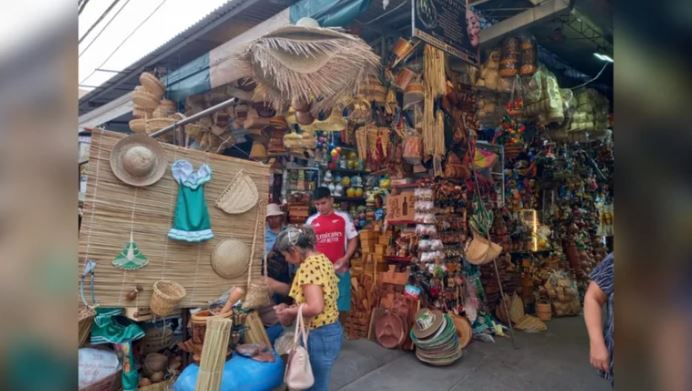
The most representative traditional items and decorations from Santa Cruz hold great significance for the celebrations on September 24. This is why craft shops are preparing to offer the best of Cruceño identity, with prices ranging from Bs 5 to Bs 100, depending on the item.
In the craft shop located in the La Ramada market, between Isabel La Católica and Sutó streets, these are the best-selling items:
1. The Jasayé: it was used by the camba to carry his snack to the fields.
.webp?cw=1200&ch=1187&extw=jpeg)
2. The Tinaja: made of palm, it was used to store vegetables, while the clay version was used to store chicha.
3. The Baquitú: or blower used to stoke the fire and also served as a fan.
.webp?cw=1200&ch=934&extw=jpeg)
4. The Tutuma: served as a cup for drinking chicha and somó, and is still used in some provinces.
5. The Panacú: a type of backpack used to carry yuca or firewood.
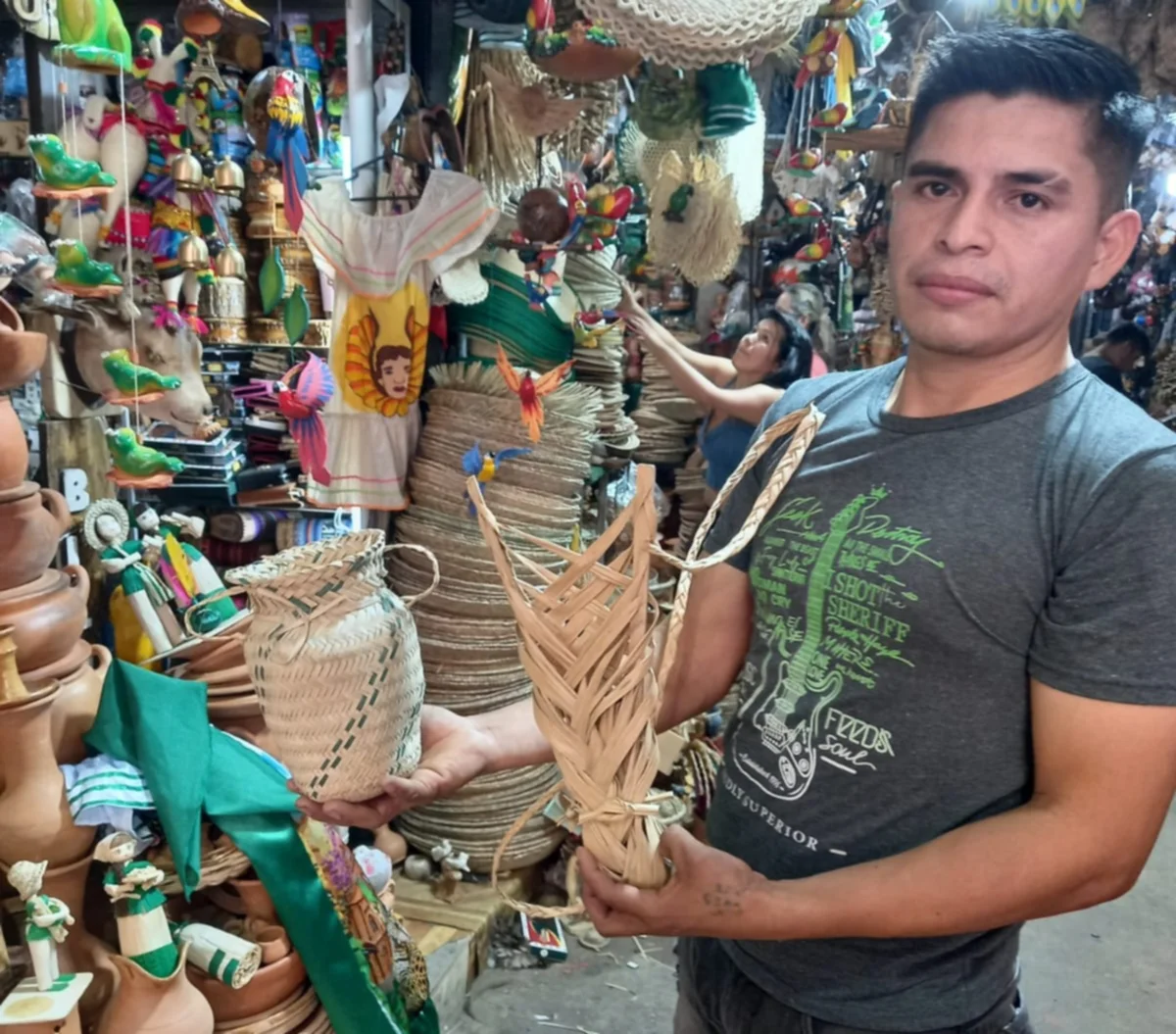
6. The Quiboro: a container used to store grains like corn or beans.
7. The Estera: used as a bed, people would spread it on the ground, and it is still used during hot weather.
.webp?cw=1125&ch=1500&extw=jpeg)
8. The Carretón: used to transport firewood and food.
.webp?cw=1200&ch=1354&extw=jpeg)
9. The Urupé: a type of strainer, used to sift flour and also to place rice bread and traditional baked goods.
10. Saó Hat: handmade from palm leaves, used by men to protect themselves from the sun, especially when going to work in the chaco.
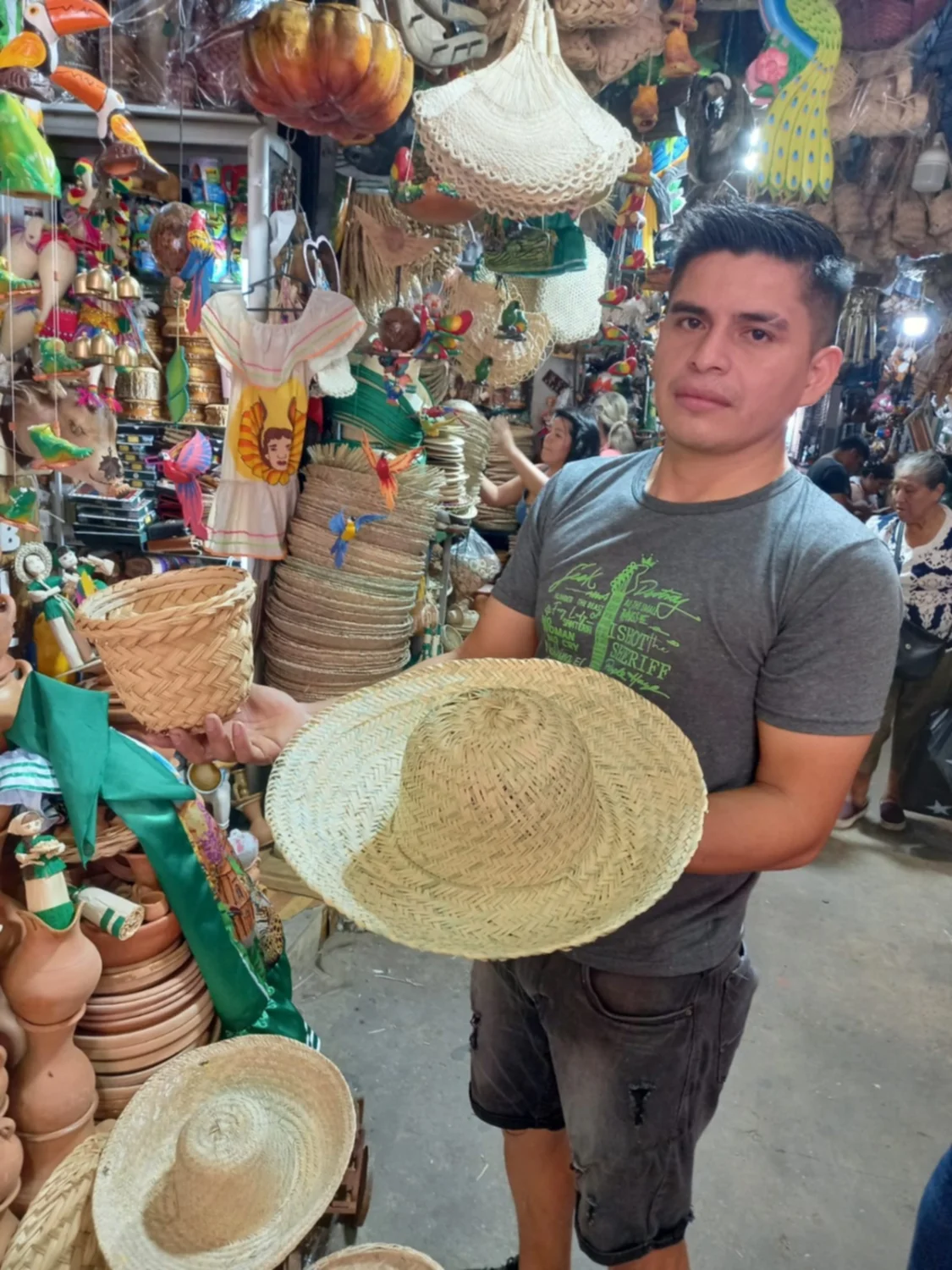
11. The Green Scarf: an accessory of the camba attire, tied around the neck.
12. The Enchoque: one of the traditional games of Santa Cruz, made of wood.
13. The Slingshot: made of wood and elastic, used as a weapon that the camba took to the chaco to scare away parrots that ate the corn.
14. The Spinning Top: made of wood with a metal tip, spun and thrown. The camba demonstrated his skill, and the winner was the one who could keep the top spinning the longest.
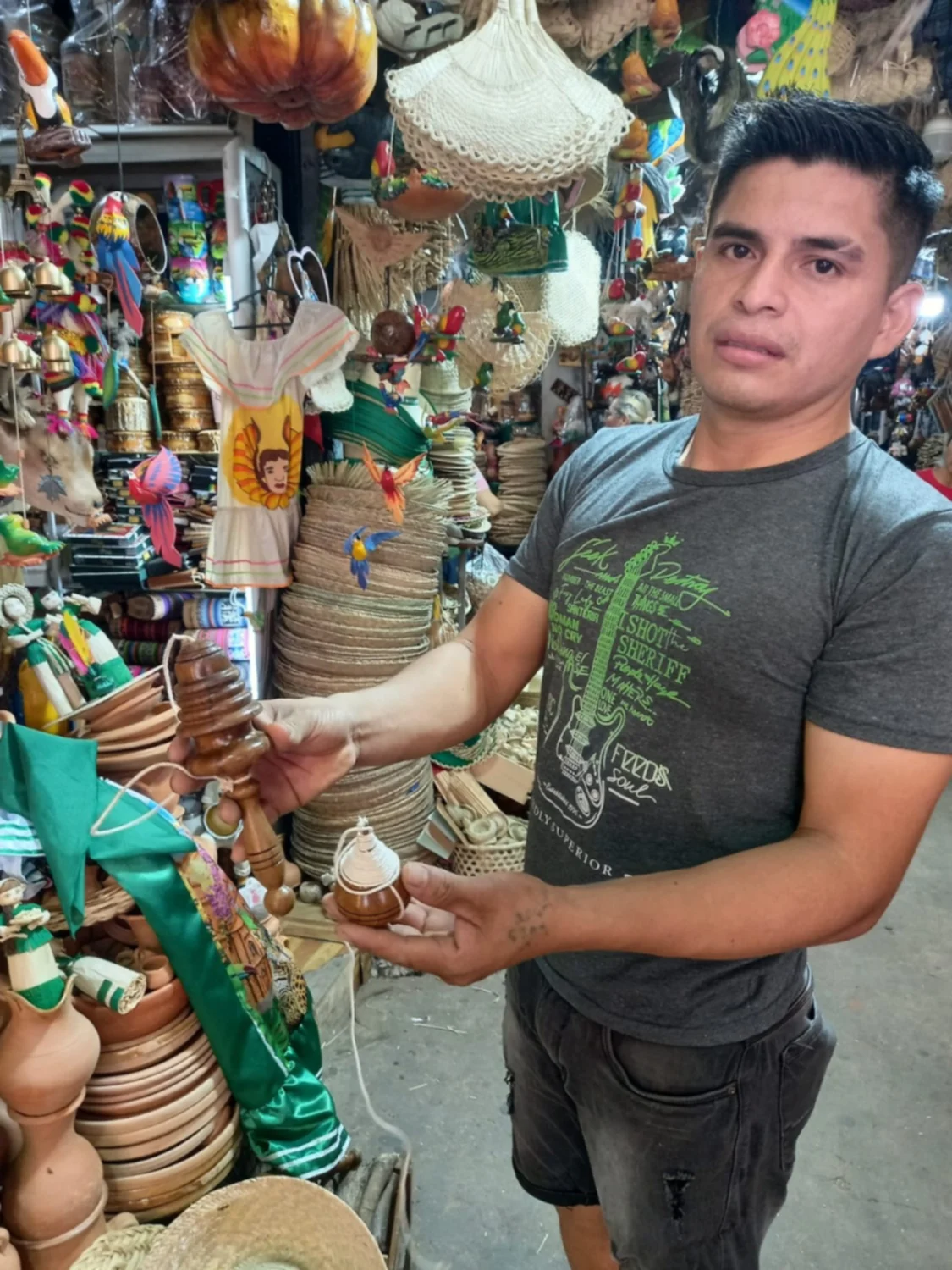
15. The Mole: made from scraps of fabric and colorful feathers. The game consisted of throwing the mole so that it landed upright to win.
16. The Tipoy: worn by cambitas as a dress for dancing the chobena and taquirari.
17. The Corn Husk Dolls: now used only as decorations, the traditional dolls made from corn husks were toys for children.
Por Red Unio; Alejandra Hinojosa, Eju.tv:
Utensilios y adornos tradicionales de Santa Cruz: Cuáles son y para qué eran usados
Conozca los 17 artefactos que, a pesar del pasar del tiempo, aún permanecen vigentes para enaltecer a la cultura cruceña.
En el mes de septiembre, el fervor cívico, llena todos los corazones cruceños, que buscan enaltecer la cultura de Santa Cruz. Colegios y sus ballets folclóricos alistan sus mejores galas para celebrar el 214 aniversario del grito libertario.
Los artículos y adornos tradicionales más representativos de Santa Cruz, cobran gran significado para las fiestas de este 24 de septiembre, es por ellos que las tiendas de artesanías se alistan para ofrecer lo mejor de la identidad cruceña con precios que van desde Bs 5 hasta los Bs 100, dependiendo del objeto.
En la tienda de artesanías ubicada en el mercado La Ramada, entre las calles Isabel La Católica y esquina Sutó, estos son los artículos más vendidos son:
1. El Jasayé: era usado por el camba para llevar su merienda al campo.
2. La Tinaja: de palma era usado para guardar verduras, mientras que la de barro, se usaba para guardar la chicha.
3. El Baquitú: o soplador para avivar el fuego y también lo usaban como abanico.
4. La Tutuma: servía como vaso para tomar chicha y somó, y que aún se ocupa en algunas provincias.
5. El Panacú: una especie de mochila para llevar yuca o leña.
6. El Quiboro: un recipiente que se usaba para guardar granos como maíz o frejol.
7. La Estera: se usaba como cama, las personas la extendían en el suelo, aún se sigue usando en tiempo de calor.
8. El Carretón: lo utilizaban para transportar leña y alimentos.
9. El Urupé: una especie de colador, era usado para cernir la harina y también para poner el pan de arroz y los horneados tradicionales.
10. Sombrero de Saó: hecho a mano con hojas de palmera, era utilizado por los hombres para protegerse del sol, especialmente cuando iban a trabajar al chaco.
11. La Pañoleta Verde: es un accesorio de la vestimenta del camba, que se lo ataba en el cuello.
12. El Enchoque: uno de los juegos tradicionales de Santa Cruz, elaborado de madera.
13. La Honda: hecha de madera y elástico, era utilizada como un arma que el camba llevaba al chaco para espantar a los loros que se comían el maíz.
14. El Trompo: elaborado de madera con una punta de metal, que se hila y se lanza. El camba demostraba su habilidad y el ganador era el que haga girar el trompo por más tiempo.
15. El Topo: Hecho de retazos de tela y plumas de colores. El juego consistía en lanzar el topo y tenía que caer parado, para ser el ganador.
16. Los muñecos de chala: hoy utilizados solo como adornos, los muñecos tradicionales hechos de la chala del choclo, eran juguetes para los niños.
17. El Tipoy: utilizado por las cambitas como vestido para bailar la chobena y el taquirari.

 Bolivian Thoughts | Pensamientos Bolivianos (Bilingual/Bilingüe)