
Vision 360:
An expert claims that “all peanuts, from all over the world,” come from a cross “between two wild species of Bolivian peanuts”.
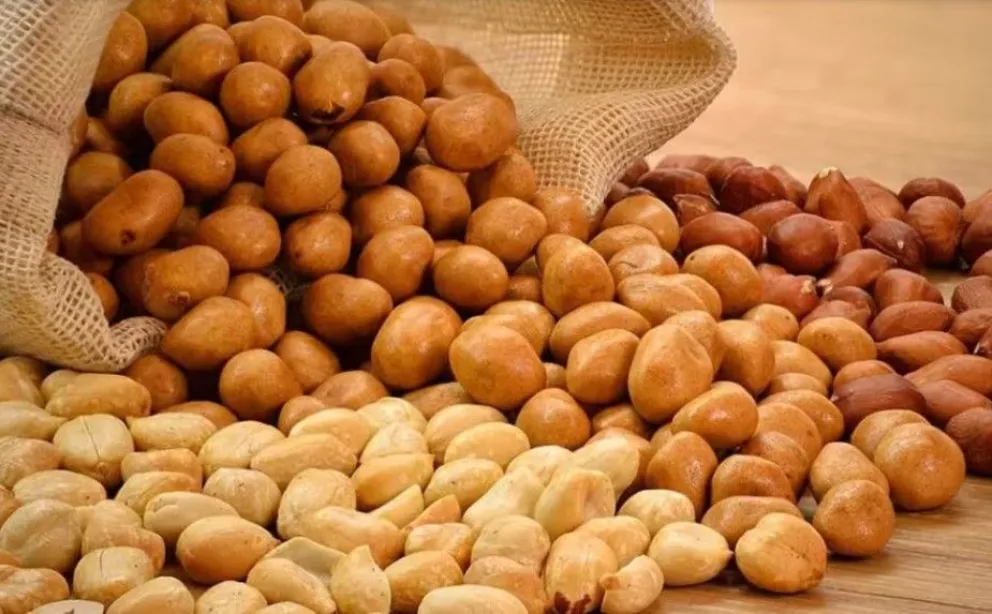
A referential image. Photo: Infobae / Cocina fácil
An investigator from the Institut de Recherche pour le Développement (IRD), Sergio Svistoonoff, stated in a conference that peanuts “from all over the world” come from a possibly natural cross, over ten thousand years ago, between two wild species of Bolivian peanuts.
“All peanuts, from all over the world, actually come from a possibly natural cross over ten thousand years ago between two wild species of Bolivian peanuts,” said Svistoonoff during the conference titled: “Use of Wild Bolivian Peanuts to Improve Cultivation in Other Regions.”
The event took place at the IRD facilities in the city of La Paz on August 15. Researchers and students from the Agronomy Program at the Universidad Mayor de San Andrés attended the event.
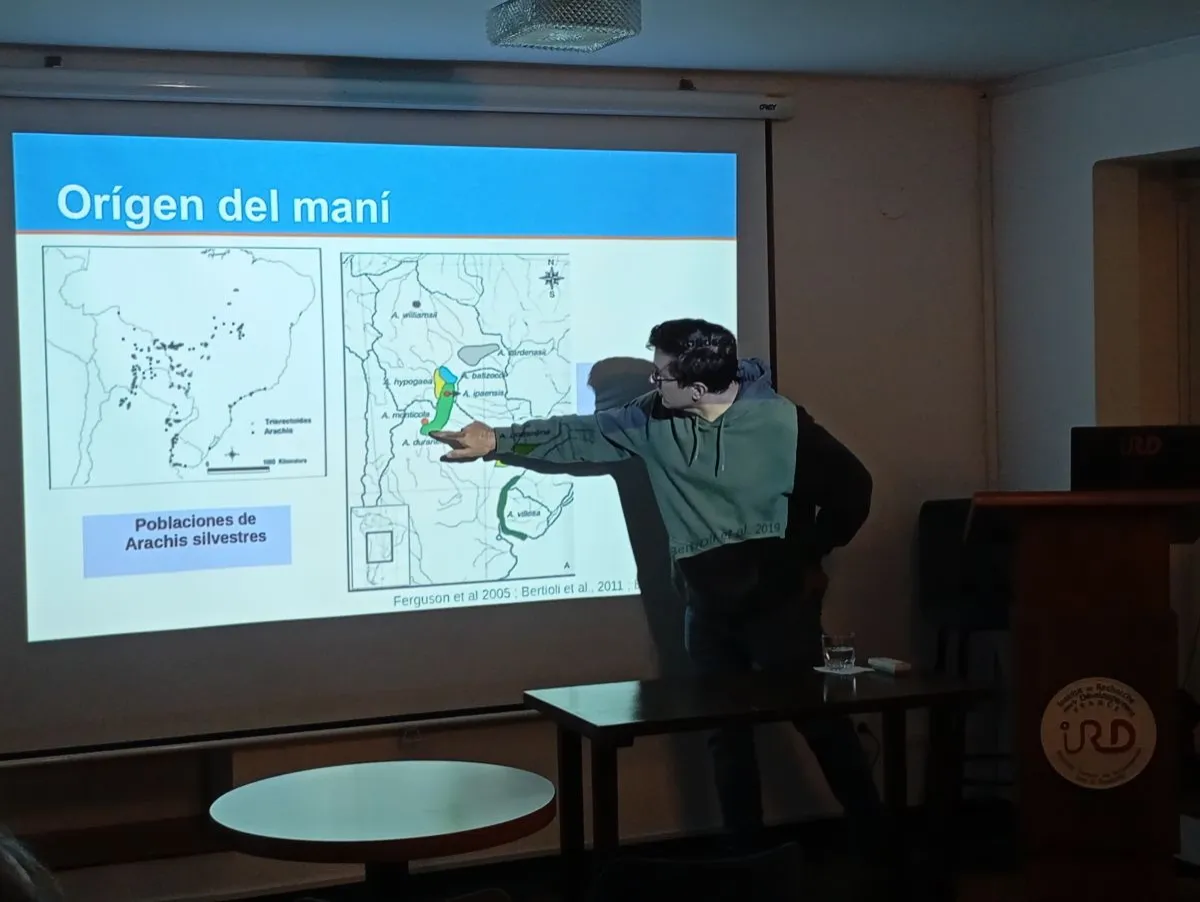
In a presentation lasting approximately an hour and a half, the specialist discussed the nutritional significance of peanuts. Additionally, the expert emphasized its history and improvement, based on the wild species Arachis cardenassi, native to Bolivia, which is resistant to fungi and pests.
“In the Chiquitania and the Chaco, there must be new species yet to be discovered and not yet known, and of course, they haven’t been used yet, but they could be very important for solving future problems,” he said.
He also highlighted that in that area, “there are many fires and deforestation, among other things, and possibly other wild species of peanuts with potential future uses are disappearing before they are even described.”
According to an official bulletin, Bolivia has a treasure in terms of biodiversity that can be used to improve global peanut production, and this treasure is being ignored and needs to be protected.
Vision 360:
Un experto asegura que “todo el maní, de todo el mundo” viene de un cruce “entre dos especies silvestres de maní boliviano”.
Una imagen referencial. Foto: Infobae / Cocina fácil
Un investigador del Institut de Recherche pour le Développement (IRD), Sergio Svistoonoff, sostuvo en una conferencia que el maní de “todo el mundo” viene del cruce posiblemente natural, hace más de diez mil años, de dos especies silvestres de maní boliviano.
“Todo el maní, de todo el mundo viene en realidad de un cruce posiblemente natural hace más de diez mil años entre dos especies silvestres de maní boliviano”, aseguró Svistoonoff en la conferencia titulada: “Uso del maní silvestre boliviano para mejorar su cultivo en otras regiones”.
La actividad fue llevada a cabo en instalaciones del IRD, en la ciudad de La Paz, el 15 de agosto. A la cita asistieron investigadores y estudiantes de la Carrera de Agronomía de la Universidad Mayor de San Andrés.
En una presentación de aproximadamente una hora y media, el especialista se refirió a la relevancia nutricional del maní. Además, el experto puso énfasis en su historia y su mejoramiento, basado en la especie silvestre Arachis Cardenassi, originaria de Bolivia, que resiste a hongos y plagas.
“En la Chiquitania y el Chaco, debe haber nuevas especies que se está por descubrir y todavía no se conocen y por su puesto todavía no se han utilizado y son muy importantes posiblemente para resolver problemas en el futuro”, expresó.
También subrayó que en esa zona “hay un montón de incendios y deforestación, entre otros y posiblemente están desapareciendo otras especies silvestres de maní con potenciales usos en el futuro que ni siquiera se han descrito”.
Bolivia, según un boletín oficial, tiene un tesoro a nivel de biodiversidad que puede ser usado para mejorar la producción mundial de maní y ese tesoro esta ignorado, y hay que protegerlo.
https://www.vision360.bo/noticias/2024/08/19/10362-el-mani-tiene-origen-boliviano

 Bolivian Thoughts | Pensamientos Bolivianos (Bilingual/Bilingüe)