
El Diario:
- The jurist proposes a penalty of 10 to 15 years in prison for anyone who installs a total or partial roadblock.
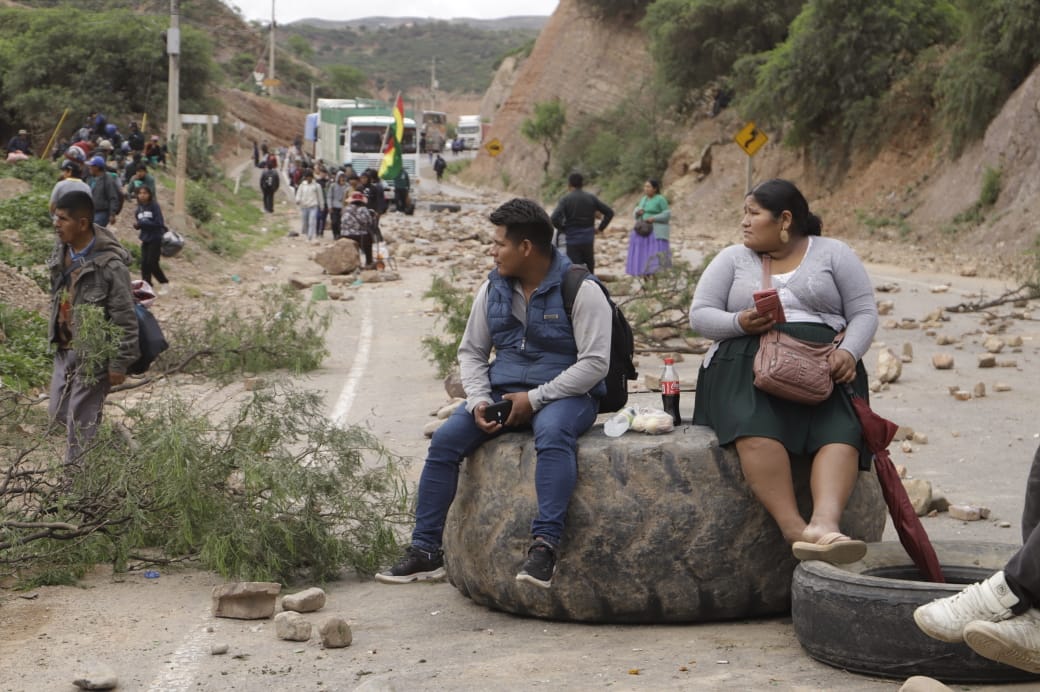
Although the right to protest is contemplated in the Political Constitution of the State (CPE), this provision is misinterpreted in the country, to block roads, which is not allowed in the Magna Carta, said constitutional lawyer, Williams Bascopé Laruta.
“The Constitution guarantees the right to protest; but there is no right to block. I am one of the drafters of this Constitution and that was not put anywhere,” he said in an interview with EL DIARIO.
“The protest can be a strike, hunger strike, sit-down strike, sit-in; but not the blocking of roads, violating the right to work, to commerce, the right to health of another person until leading to death,” he expressed.
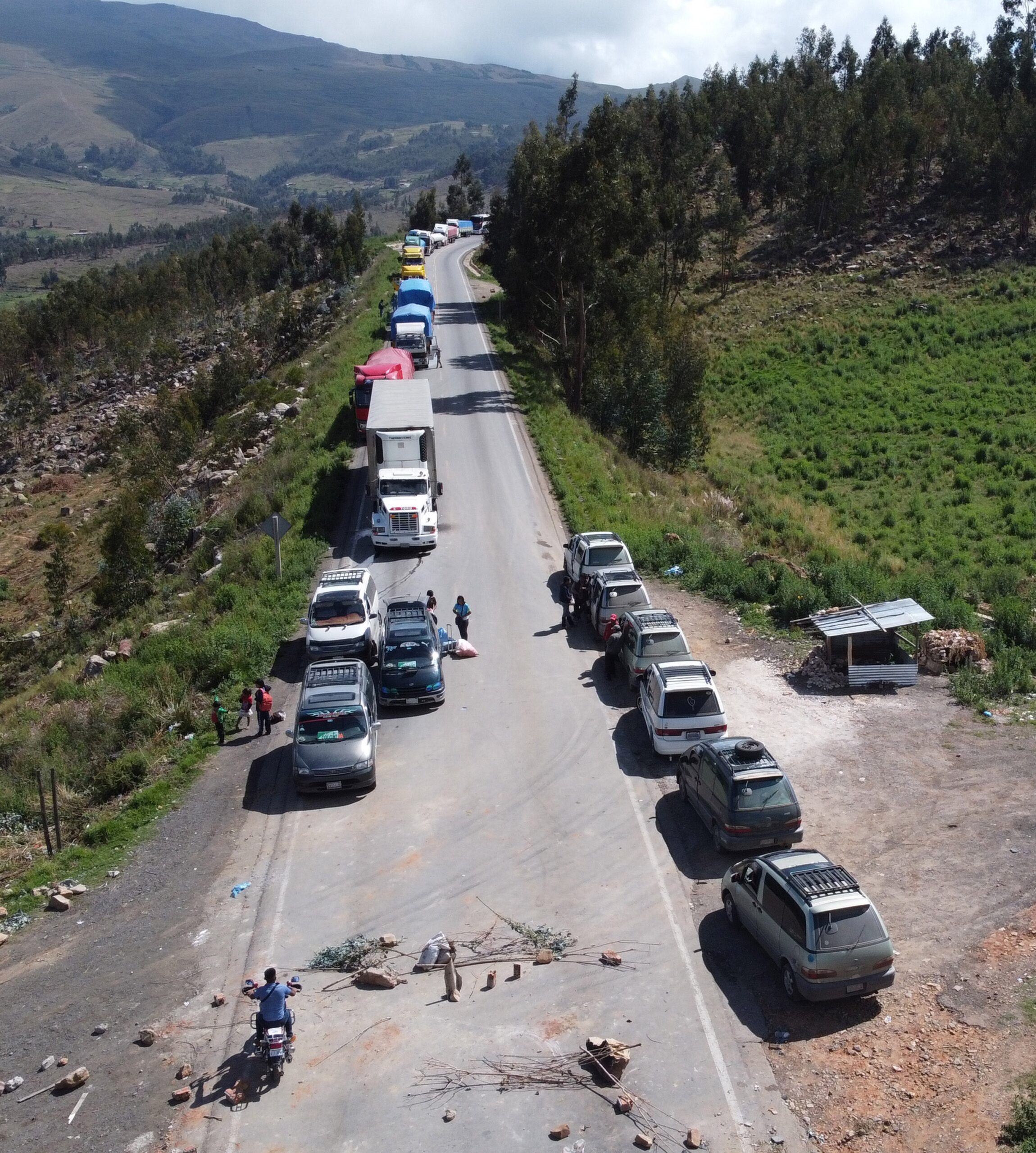
In this regard, Bascopé Laruta proposed to the Legislative Assembly a draft bill to penalize road blockades with up to 15 years in prison, arguing that it violates the rights to free movement, health and commerce of ordinary citizens.
Bascopé presented a legislative initiative to Parliament, formally addressed to the Vice President of the State, David Choquehuanca, on Thursday, January 25.
SIXTH DAY OF BLOCKADES
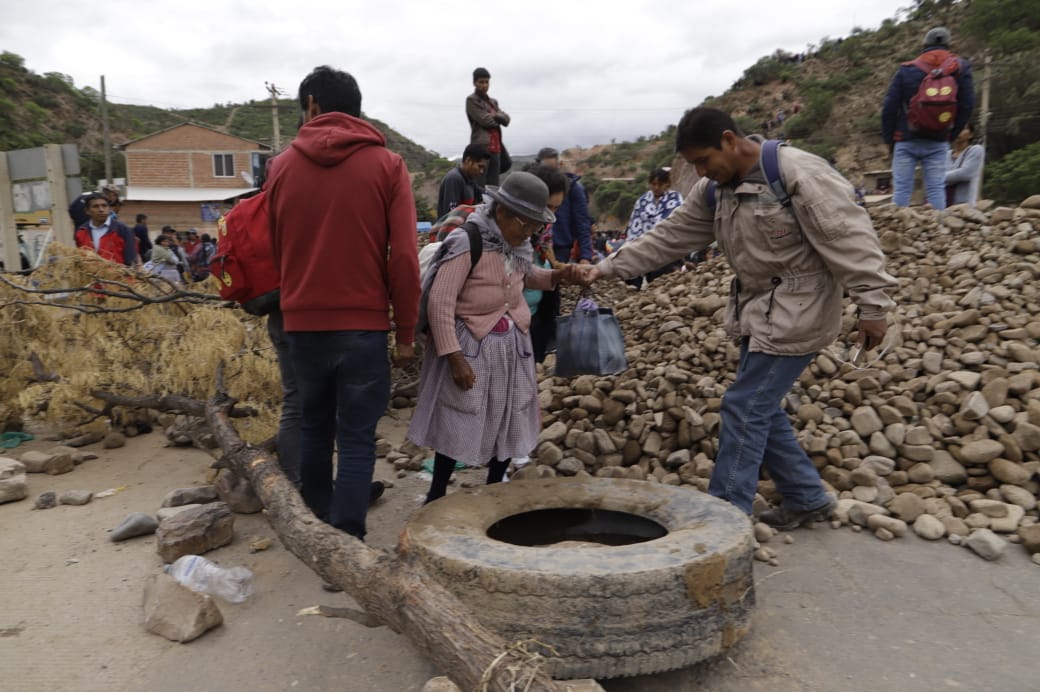
As yesterday marked the sixth day of blockades in the country, the Vice Minister of Citizen Security, Roberto Ríos, reported that a 16-year-old minor had been sexually abused by a bus driver’s assistant in the town of Parotani.
El Diario:
- El jurista propone una sanción de 10 a 15 años de cárcel para cualquier persona que instale un bloqueo total o parcial de caminos.
Si bien el derecho a la protesta está contemplado en la Constitución Política del Estado (CPE), en el país se malinterpreta esta disposición, para bloquear caminos, lo cual no está permitido en la Carta Magna, dijo el abogado constitucionalista, Williams Bascopé Laruta.
“La Constitución garantiza el derecho a la protesta; pero no existe el derecho al bloqueo. Yo soy uno de los redactores de esta Constitución y no se puso eso en ningún lado”, señaló en entrevista con EL DIARIO.
“La protesta puede ser una huelga, huelga de hambre, huelga de brazos caídos, plantón; pero no el bloqueo de carreteras, violando el derecho al trabajo, al comercio, el derecho a la salud de otra persona hasta llevarla a la muerte”, expresó.
Al respecto, Bascopé Laruta, propuso a la Asamblea Legislativa un anteproyecto de ley para penalizar los bloqueos de caminos con hasta 15 años de cárcel, fundamentando en que se atenta a los derechos a la libre circulación, la salud y el comercio del ciudadano de a pie.
Bascopé presentó una iniciativa legislativa al Parlamento, formalmente dirigida al vicepresidente del Estado, David Choquehuanca, el jueves 25 de enero.
SEXTO DÍA DE BLOQUEOS
Al cumplirse ayer el sexto día de bloqueos en el país, el viceministro de Seguridad Ciudadana, Roberto Ríos, informó que una menor de 16 años habría sido abusada sexualmente por un ayudante de chofer de un bus en la localidad de Parotani.


 Bolivian Thoughts | Pensamientos Bolivianos (Bilingual/Bilingüe)