
El Potosi:
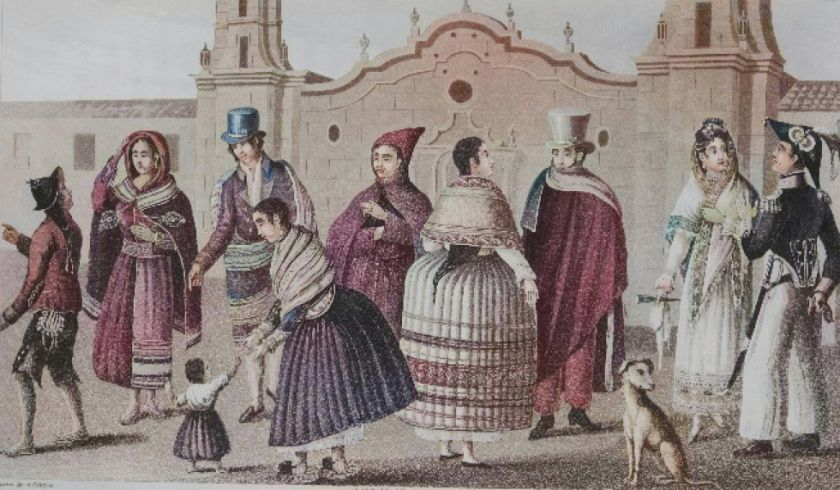
Some curious facts in this new anniversary of the Department of Potosí.
As we commemorate this November 10th a new departmental civic anniversary of Potosí, we share with you some unknown, or little-known, data about the history of this legendary city, written by our content director, Juan José Toro:
1.- His name is that of his Cerro Rico. The original name of the mountain was p’utuxi or p’otojsi, where Potosí comes from. The “potoj nin” version is an invention of the Spanish.
2.- Potosí was not born as a city, but as a mining town. In 1561, through a capitulation, it acquired the rank of town and the right to elect its mayors.
3.- According to that capitulation, its official name is Villa Imperial de Potosí.
4.- The legend that says that the Inca Wayna Kapaj sent people to exploit the hill and he bellowed (“potoj nin”) saying that his silver was for better owners appeared for the first time in the handwritten report of Luis Capoche, in 1585. Joseph de Acosta plagiarized the version and made it famous by publishing it in his “Historia Natural y Moral de las Indias.”
5.- The version that says that with the silver from Cerro Rico a silver bridge could be built from Potosí to Spain appeared for the first time in 1656, in the work “Paradise in the New World” by Antonio de León Pinelo.
6.- The censuses of 1573 and 1611, which established a population of 120,000 and 114,000 inhabitants, respectively, collected data that did not reflect reality, since the Spaniards who had slaves or mitayos in their care gave lower figures, to evade or reduce the payment of taxes. In 1600, the Hieronymite priest Diego de Ocaña reviewed the parish data and found that there were at least 200,000 Indians, not counting Africans and Spaniards.
7.- Its flag, quartered in red and white and with the symbols of Castilla y León and Cerro Rico in an oval in the middle, was only instituted on October 24, 1940 by the mayor at the time, Walter Dalence.
8.- Until 1825, the Potosí Municipality covered an extensive territory that also included Atacama, Tarija and part of Oruro.
9.- Also until the Republic, the governors of Potosí were the most powerful in Charcas because they managed the exploitation of silver from Cerro Rico and the minting of coins because they also had the position of superintendent of the Mint.
10.- The silver from Potosí practically subsidized the armies that participated in the War of Independence since those who entered the city generally looted the Mint, whether they were royalists or patriots.
Algunos datos curiosos en esta nueva efeméride del Departamento potosino.
Al conmemorar este 10 de Noviembre una nueva efeméride cívica departamental de Potosí, le pasamos algunos datos desconocidos, o poco conocidos, sobre la historia de esta ciudad legendaria, redactados por nuestro director de contenidos, Juan José Toro:
1.- Su nombre es el de su Cerro Rico. El nombre original de la montaña era p’utuxi o p’otojsi, de donde viene Potosí. La versión del “potoj nin” es un invento de los españoles.
2.- Potosí no nació como ciudad, sino como asiento minero. En 1561, a través de una capitulación, adquirió el rango de villa y el derecho a elegir a sus alcaldes.
3.- Según establece esa capitulación, su nombre oficial es Villa Imperial de Potosí.
4.- La leyenda que dice que el inca Wayna Kapaj envió gente a explotar el cerro y este bramó (“potoj nin”) diciendo que su plata era para dueños mejores apareció por primera vez en la relación manuscrita de Luis Capoche, en 1585. Joseph de Acosta plagió la versión y la hizo famosa al publicarla en su “Historia Natural y Moral de las Indias”.
5.- La versión que dice que con la plata del Cerro Rico se podía construir un puente de plata desde Potosí hasta España apareció por primera vez en 1656, en la obra “El paraíso en el Nuevo Mundo” de Antonio de León Pinelo.
6.- Los censos de 1573 y 1611, que establecieron una población de 120.000 y 114.000 habitantes, respectivamente, levantaron datos que no reflejaban la realidad, ya que los españoles que tenían esclavos o mitayos a su cargo daban cifras menores, para evadir o aminorar el pago de tributos. En 1600, el sacerdote jerónimo Diego de Ocaña revisó los datos de las parroquias y encontró que había por los menos 200.000 indios, sin contar africanos y españoles.
7.- Su bandera, cuartelada en rojo y blanco y con los símbolos de Castilla y León y el Cerro Rico en un óvalo al medio fue instituida recién el 24 de octubre de 1940 por el alcalde de entonces, Walter Dalence.
8.- Hasta 1825, la Intendencia de Potosí abarcaba un extenso territorio que comprendía, también, a Atacama, Tarija y parte de Oruro.
9.- También hasta la República, los gobernadores de Potosí eran los más poderosos de Charcas porque manejaban la explotación de plata del Cerro Rico y la acuñación de monedas debido a que también tenían el cargo de superintendente de la Casa de Moneda.
10.- La plata de Potosí prácticamente subvencionó a los ejércitos que participaron en la Guerra de la Independencia ya que los que ingresaban a la ciudad generalmente saqueaban la Casa de Moneda, ya sean realistas o patriotas.
https://elpotosi.net/cultura/20231110_10-cosas-que-no-sabias-sobre-potosi.html

 Bolivian Thoughts | Pensamientos Bolivianos (Bilingual/Bilingüe)