
Reuters, Syndicated Content, WSAU :
LA PAZ (Reuters) – Bolivia’s largest agricultural region, Santa Cruz, is bracing this week against a surprise wave of snow and ice, causing lasting damage to crops and killing cattle in other parts of the country.
Vast parts of the region, known for producing sorghum, soybeans and wheat, among other foods, have been covered in sheets of snow.
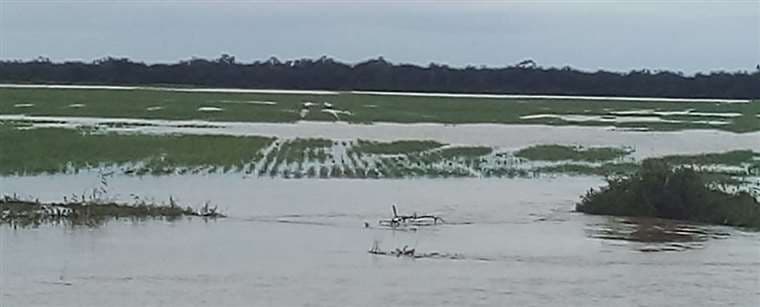
Torrential rains have also caused flooding in the valleys of Santa Cruz, prompting road closure, air evacuations and one confirmed death, according to authorities.
“The most important thing in this sector is going to be the replacement of seeds and fertilizers … because now much of this production is already insurmountable,” said the vice minister of civil defense, Juan Carlos Calvimontes.
In the neighboring tropical department of Beni, the frost reportedly killed at least 50 head of cattle. Families have made bonfires near the animals to protect them from hypothermia.
Further north of the country, the cold broke historical records at minus 9 degrees Celsius, while temperatures also plummeted in the southern wine-producing department of Tarija.
(Reporting by Monica Machicao; Writing by Isabel Woodford; Editing by Leslie Adler)
https://wsau.com/2023/06/15/bolivia-cold-snap-brings-rare-snow-to-tropical-farm-region/
LA PAZ (Reuters) – La región agrícola más grande de Bolivia, Santa Cruz, se prepara esta semana para una sorpresiva ola de nieve y hielo, que causará daños duraderos a los cultivos y matará al ganado en otras partes del país.
Vastas partes de la región, conocida por producir sorgo, soja y trigo, entre otros alimentos, han quedado cubiertas por capas de nieve.
Las lluvias torrenciales también han causado inundaciones en los valles de Santa Cruz, lo que provocó el cierre de carreteras, evacuaciones aéreas y una muerte confirmada, según las autoridades.
“Lo más importante en este sector va a ser la reposición de semillas y fertilizantes… porque ahora mucha de esa producción ya es insalvable”, dijo el viceministro de Defensa Civil, Juan Carlos Calvimontes.
En el departamento tropical vecino de Beni, la helada mató al menos a 50 cabezas de ganado. Las familias han encendido fogatas cerca de los animales para protegerlos de la hipotermia.
Más al norte del país, el frío rompió récords históricos con menos 9 grados centígrados, mientras que las temperaturas también se desplomaron en el sureño departamento vitivinícola de Tarija.
(Reporte de Monica Machicao; Escrito por Isabel Woodford; Editado por Leslie Adler)


 Bolivian Thoughts | Pensamientos Bolivianos (Bilingual/Bilingüe)