By Abihail F. Crespo; ANA, Erbol:
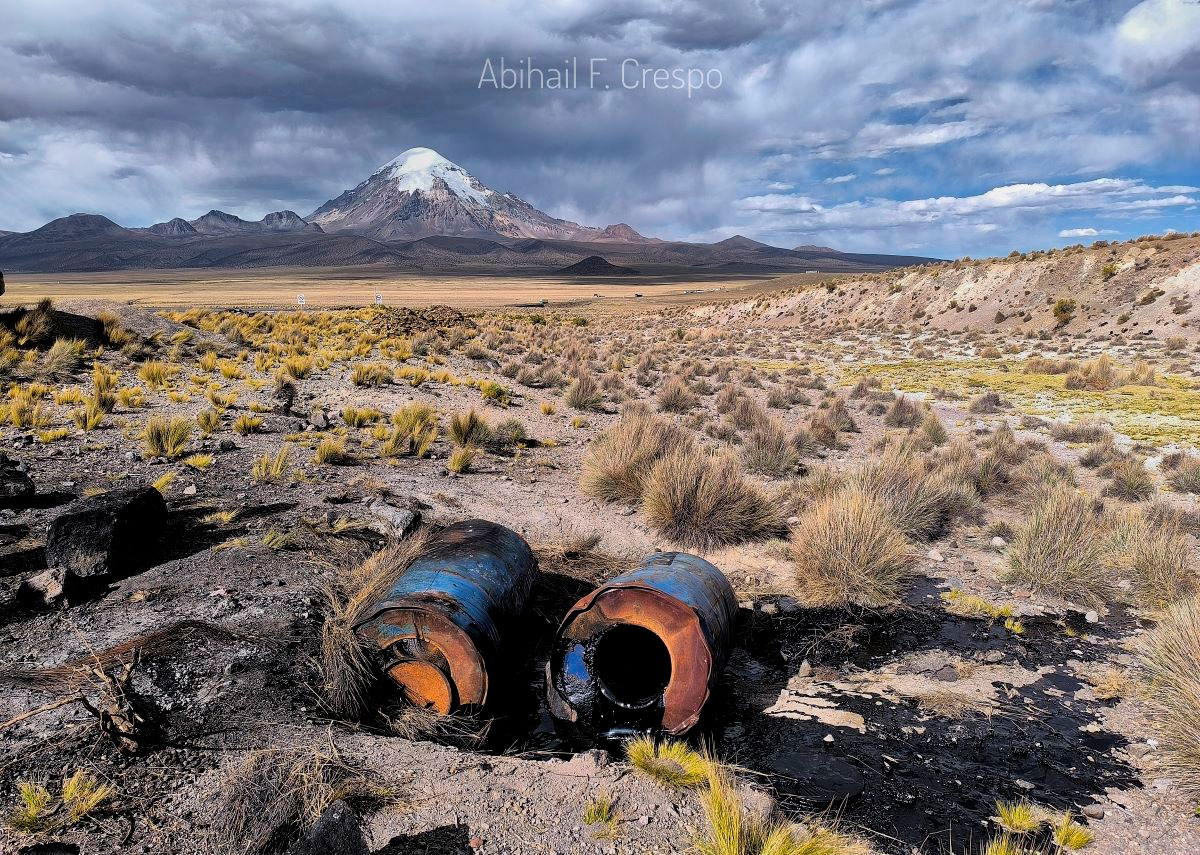
Two barrels containing tar, abandoned alongside the highway to Tambo Quemado — one already leaking and the other left open, on the verge of spilling its contents — have raised environmental alarm inside Sajama National Park. The discovery was made on November 18 and reported after the waste was found to be close to wildlife and environmentally sensitive areas within the protected zone.
Wildlife at Risk Near the Highway
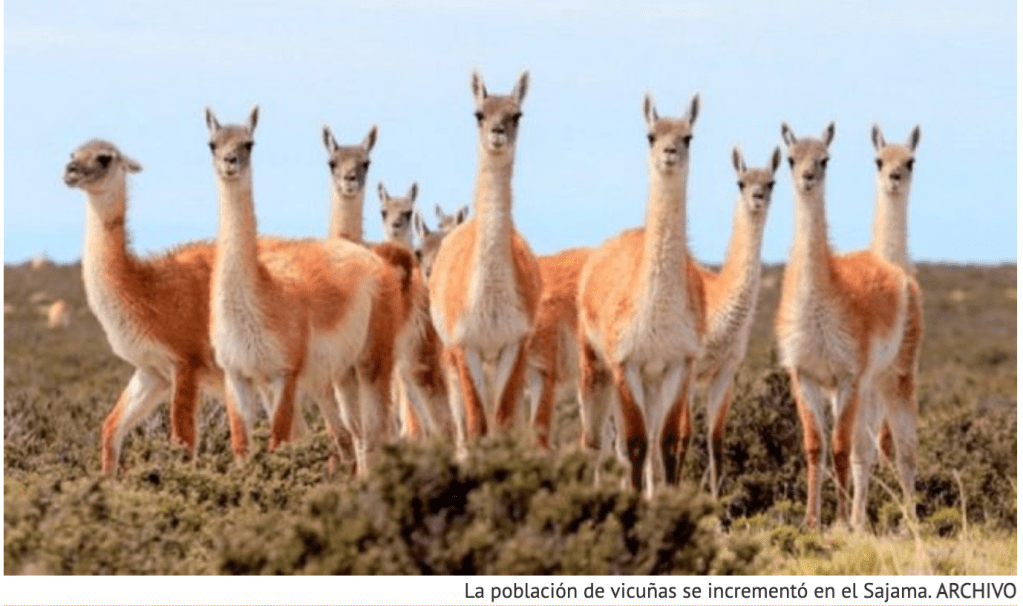
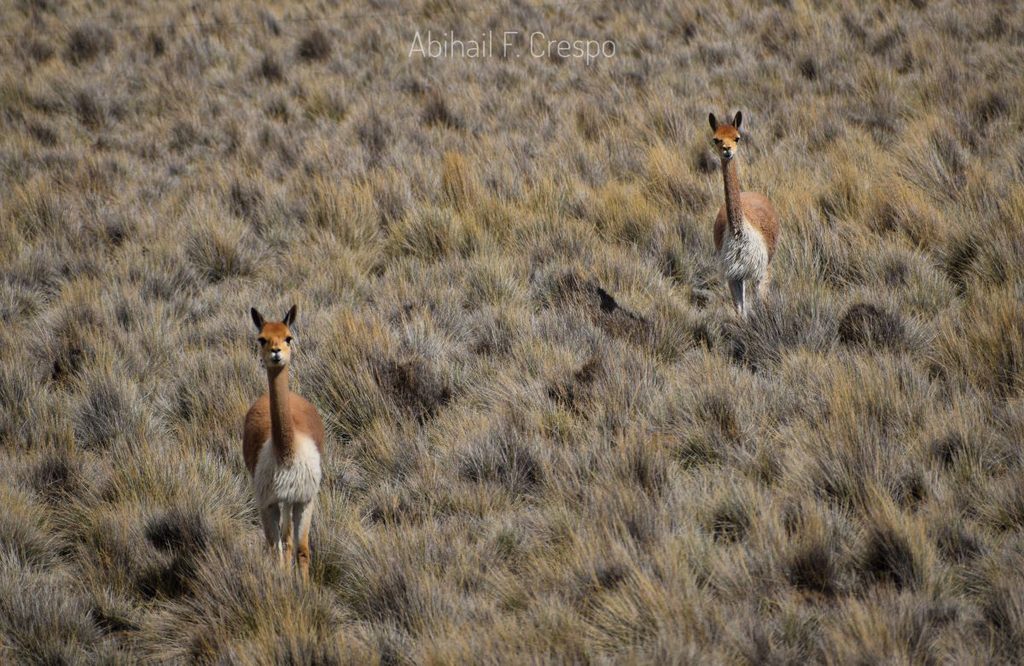
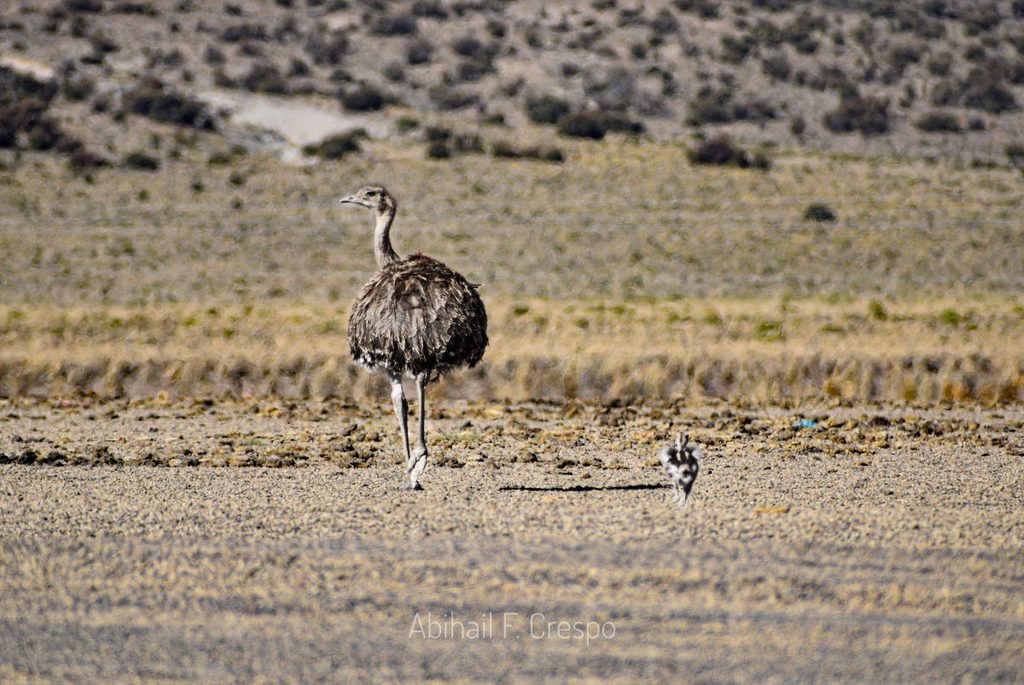
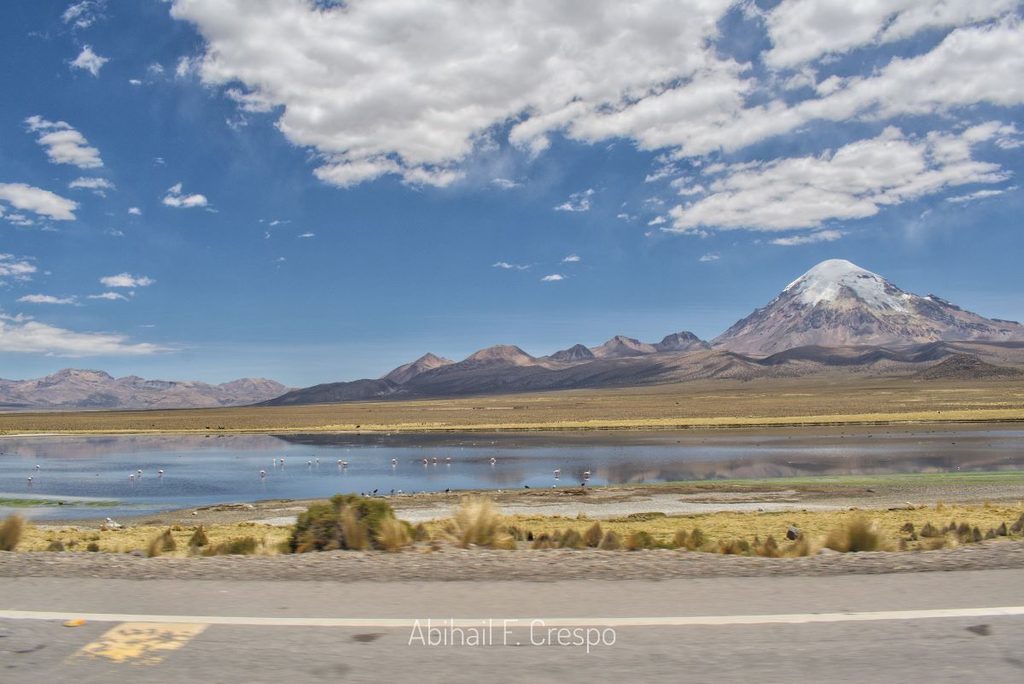
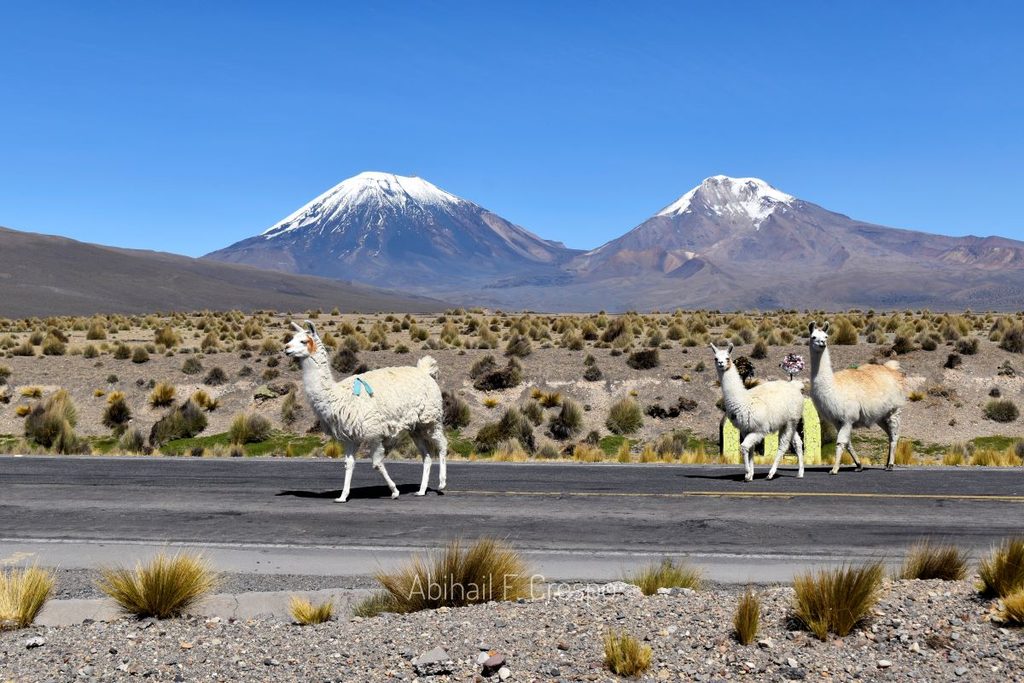
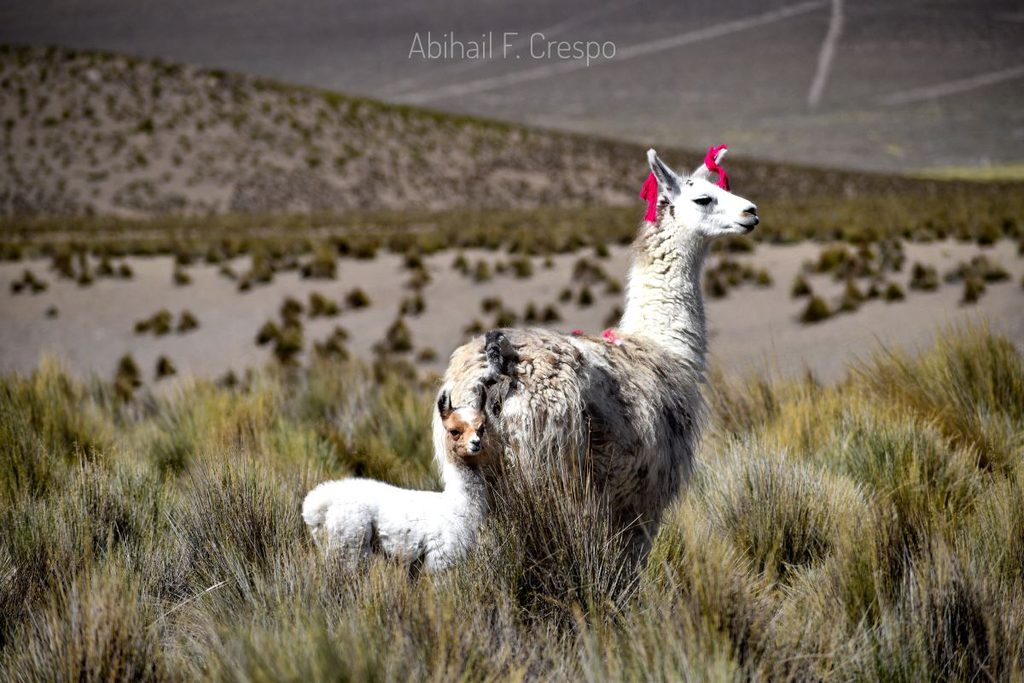
Just a few minutes into the park and along the route, Andean wildlife could be seen moving near the highway, including a rhea accompanied by its chick, several groups of vicuñas, flamingos in a lagoon and, the following day, an alpaca with its young. Although these animals were not directly beside the spill site, their presence just a few kilometers away highlights the potential danger posed by nearby pollutants and waste along roads crossing the highlands.
Concern also extends to local water resources and surrounding high-altitude wetlands. Unlike other types of waste, tar does not disappear with rainfall: it sticks to the soil, makes it impermeable, damages vegetation and poses a serious threat if it contaminates water or if an animal comes into contact with it or ingests it. The ongoing problem of litter along the roadside adds to the concern, particularly along a stretch frequently crossed by wildlife.
SERNAP Follow-Up and ABC’s Presumed Responsibility
After the barrels were located, park rangers were informed and provided with photographs for the corresponding follow-up. The following day, during a conversation with Sajama National Park Director, Engineer Miguel Ángel Torres Loayza, it was stated that the material was presumed to have been left there by the Bolivian Highway Administrator (ABC) for road pothole repairs.
According to the information provided, technical staff from the National Service of Protected Areas (SERNAP) prepared an official incident report to send to the ABC and arrange for the material to be removed. Regarding the situation, officials stressed that “as this is a protected area, we cannot allow any type of chemical waste to remain along the road.” They also indicated that “those responsible will be summoned and notified of the mistake they are making, and the correct course of action is to remove the material (and repair the damage within the contaminated area).”
A Call to Pay Attention and Take Action
Beyond identifying those responsible, this report seeks to bring attention to what is happening within a territory that is home to unique species and fragile ecosystems whose survival depends on the conservation of their soil and water. Visitors to the protected area have a direct responsibility to take their waste with them and immediately report any irregularities, recognizing that genuine protection requires concrete action, not merely signs at the entrance.
Abihail F. Crespo is a student in the Communication Sciences program at the Universidad Mayor de San Andrés (UMSA).
Por Abihail F. Crespo; ANA, Erbol:
Dos turriles con alquitrán abandonados a un costado de la carretera a Tambo Quemado —uno ya derramado y el otro abierto, a punto de verter su contenido— encendieron la alarma ambiental dentro del Parque Nacional Sajama. El hallazgo ocurrió el 18 de noviembre y fue reportado tras constatar la cercanía del residuo con fauna silvestre y zonas sensibles del área protegida.
Fauna en riesgo cerca de la vía
A pocos minutos de avanzar por el parque y a lo largo del trayecto, se observó fauna andina transitando cerca de la carretera, entre ella un suri acompañado de su cría, varios grupos de vicuñas, flamencos en una laguna y, al día siguiente, una alpaca con su cría. Aunque estos animales no se encontraban exactamente junto al punto del derrame, su presencia a pocos kilómetros evidencia el peligro latente que implica la cercanía de sustancias contaminantes y residuos a las rutas que atraviesan el altiplano.
La preocupación se extiende hacia los recursos hídricos y los bofedales del entorno. A diferencia de otros desechos, el alquitrán no desaparece con la lluvia: se adhiere al suelo, lo impermeabiliza, afecta la vegetación y representa una amenaza severa si contamina el agua o si algún animal entra en contacto o lo ingiere. A ello se suma el problema constante de la basura a los lados de la vía, un tramo que la fauna cruza con frecuencia.
Seguimiento del SERNAP y presunta responsabilidad de la ABC
Tras ubicar los turriles, el hecho fue comunicado al personal de guardaparques, a quienes se entregaron las fotografías para el seguimiento correspondiente. Al día siguiente, en conversación con el director del Parque Nacional Sajama, Ing. Miguel Ángel Torres Loayza, se señaló que se presume que el material habría sido dejado por la Administradora Boliviana de Carreteras (ABC) con fines de bacheo vial.
De acuerdo con lo informado, personal técnico dependiente del Servicio Nacional de Áreas Protegidas (SERNAP) elaboró un acta circunstanciada para remitirla a la ABC y gestionar el retiro del producto. Sobre la situación, se enfatizó que ”siendo un área protegida no podemos permitir que esté sobre el camino ningún tipo de residuo químico” y se menciono que ”se citará a los responsables para notificarles el error que están cometiendo y lo correcto es que retiren el material (y reparar el daño dentro del lugar contaminado)”.
Un llamado a mirar y actuar
Más allá de señalar responsabilidades, el reporte busca visibilizar lo que ocurre dentro de un territorio que alberga especies únicas y ecosistemas frágiles que dependen de la conservación de su suelo y su agua. Quienes visitan el área protegida tienen un rol directo al llevarse sus residuos y reportar irregularidades de inmediato, bajo la premisa de que la protección real exige acciones concretas y no solo señalización en el ingreso.
Abihail F. Crespo es estudiante de la carrera de Ciencias de la Comunicación de la Universidad Mayor de San Andrés (UMSA).


Leave a Reply