
By Rocío Lloret, La Región:
Leopardus tilcayo: Bolivia Gives the World a New Wildcat Species, the First in More Than 100 Years
A scientific team from several countries, with a leading role played by Bolivian researchers, described this small feline through genetic analysis. The discovery will be published in the prestigious journal Current Biology and is the most important finding of recent years, not only for the country but for the world.
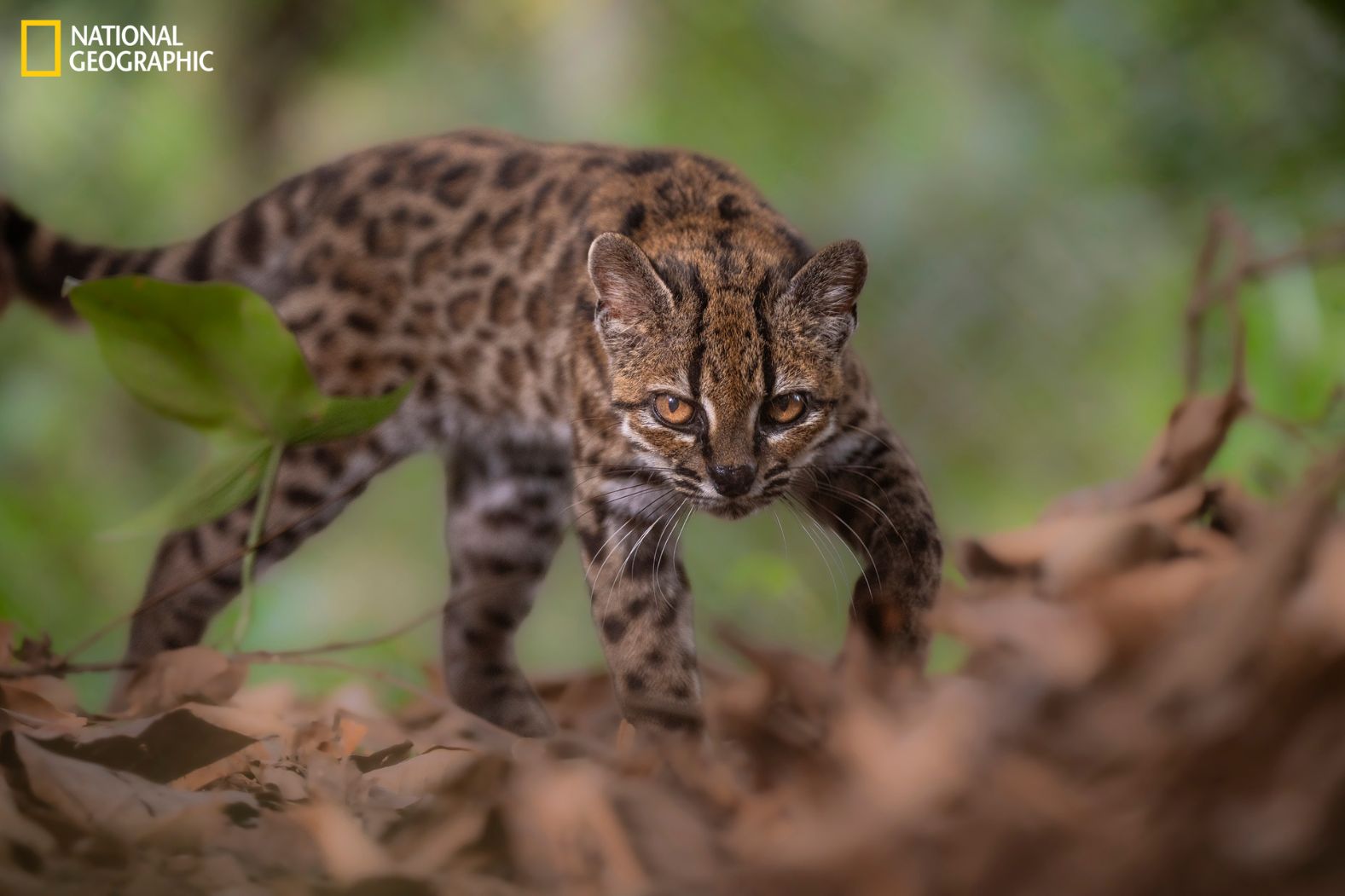
It is smaller than a domestic cat. It lives in the cloud forests of the Yungas of La Paz, and local communities have known it for decades as the tilcayo. But to science, it did not exist. Today, after a five-year investigation with strong participation from Bolivian scientists, Leopardus tilcayo is being presented as the first new wildcat species described anywhere in the world in more than a century.
This is a discovery that contributes not only to Bolivian wildlife but also to global science. It did not happen during an expedition, but rather by comparing photographs and descriptions that simply did not match.
It all began back in 2021. Bolivian researchers Enzo Aliaga-Rossel and Paola Nogales-Ascarrunz—a National Geographic Explorer—collected genetic samples from a male specimen that was being protected at the Senda Verde Wildlife Sanctuary, in the municipality of Coroico, one hundred kilometers from the city of La Paz. This feline, which had been taken into the sanctuary around 2017 after being handed over by a local family, officially became the holotype, or reference specimen, of the new species.

Nogales-Ascarrunz, lead co-author of the study, told La Región that she noticed something unusual while preparing educational material about the feline. When reviewing the description of Leopardus tigrinus, the scientific name under which it had been classified, she found that the shape of the spots and the tail of this individual did not resemble those of the wildcat species she knew from Bolivia. Instead, it looked more like Leopardus guttulus, a more robust species with a flatter face. The problem was that guttulus “had never been recorded in the country.”
“I told my colleague: ‘This must be a guttulus, but guttulus is not recorded for Bolivia,’” she recalls. That contradiction triggered the genetic analyses. The original question was not whether a new species existed, but whether a known species had expanded its geographic range. Years later, the answer turned out to be far more surprising.
A Study Based on Genetics

To determine that the individual still living under protection at Senda Verde was not Leopardus tigrinus, the team—led by Jonas Lescroart and Paola Nogales-Ascarrunz as lead co-authors, together with Eduardo Eizirik of Brazil—sequenced the complete genomes of 38 individuals from the genus Leopardus. They combined modern samples—blood and tissue from rescued or road-killed animals—with DNA extracted from historical museum specimens, some more than half a century old. This technique is known as museomics.
This procedure proved essential in resolving a gap that had hindered the taxonomy of the group since 1775. There were no genetic samples from the original population of Leopardus tigrinus in the Guiana Shield (Guyana, Suriname, and Venezuela), the species’ recognized range. Researchers recovered DNA from fragments of the petrous bone—the densest part of the skull—from specimens preserved at the Smithsonian Institution in the United States and the Naturalis Biodiversity Center in the Netherlands.
Using this material, they reconstructed phylogenetic trees and calculated evolutionary divergence times. According to Nogales-Ascarrunz, taxonomy—the science that classifies living organisms—generally uses one million years of genetic separation as a benchmark for recognizing a distinct feline species. The populations from the Bolivian Yungas were found to have diverged from their closest relatives approximately 1.4 million years ago, a separation even deeper than that observed in Leopardus pardinoides, another species in the group that had already been validated.
Ultimately, the study demonstrated that what science had historically regarded as a single tiger cat species (Leopardus tigrinus) actually comprises at least five distinct wildcat species.
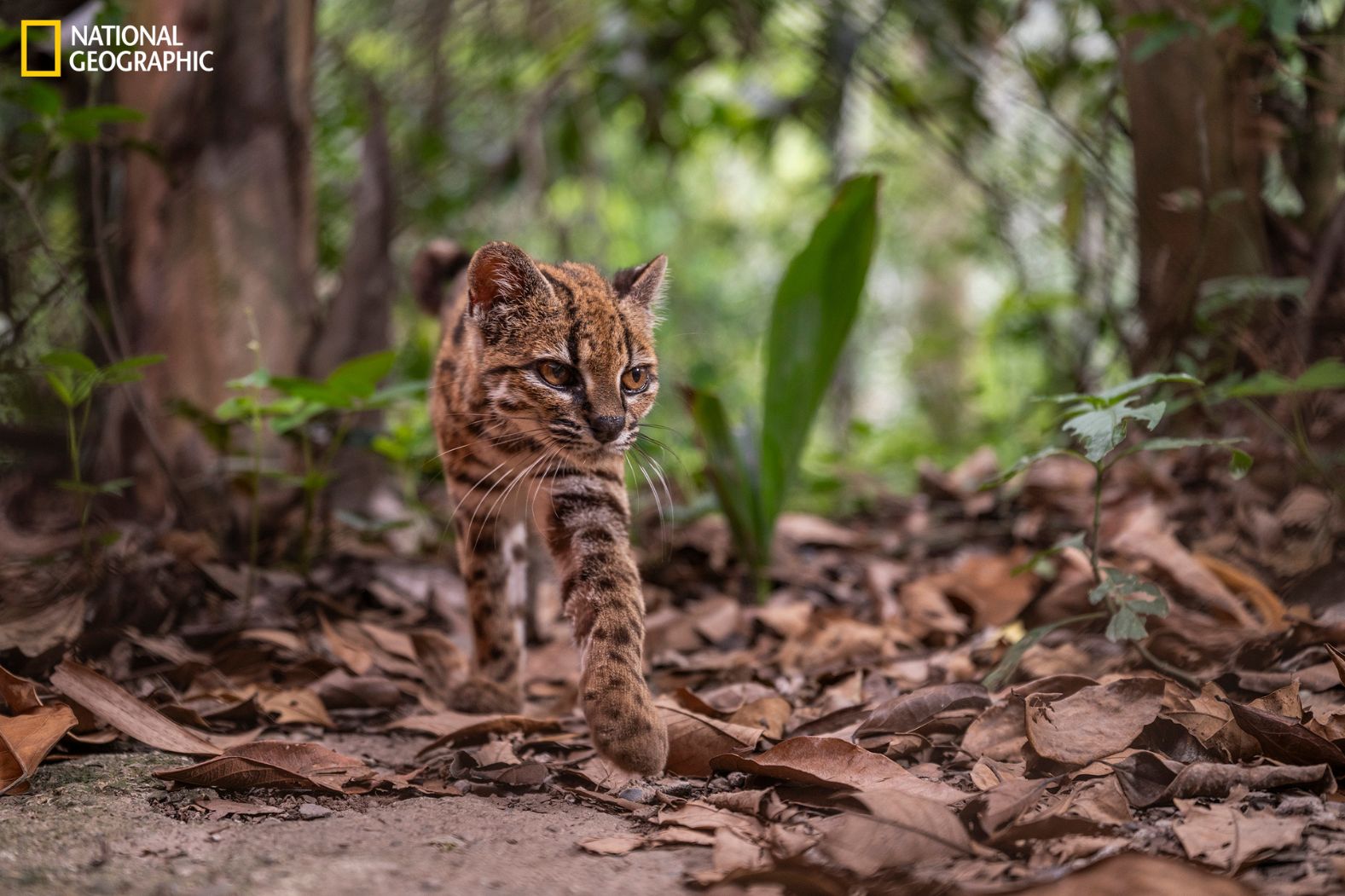
- Leopardus tilcayo(Tilcayo): New species officially described in this study, native to the cloud forests of Bolivia’s Yungas.
- Leopardus tigrinus(Northern / Guiana tiger cat): Species whose definition is now limited and restricted to the Guiana Shield. Within this species, the study also describes a new subspecies: Leopardus tigrinus antisuyo, native to the Peruvian Yungas.
- Leopardus pardinoides(Clouded tiger cat): Revalidated and elevated to the rank of an independent species for the cloud forests of the northern Andes (in countries such as Colombia and regions of Central America).
- Leopardus emiliae(Eastern tiger cat): Formally reinstated as a valid species, inhabiting the Caatinga and Cerrado ecoregions of eastern Brazil.
- Leopardus guttulus(Southern tiger cat): Revalidated as an independent species, native to the Atlantic Forest in southern South America.
The procedure used to reach this conclusion was so exhaustive that it gave the study “much greater taxonomic strength than even that of other species.” In fact, the paper underwent peer review by independent researchers, including Andrew Kitchener, a world-renowned authority on feline taxonomy, who formally endorsed the recognition of Leopardus tilcayoas a new species.
Difficult to Find and Easy to Confuse
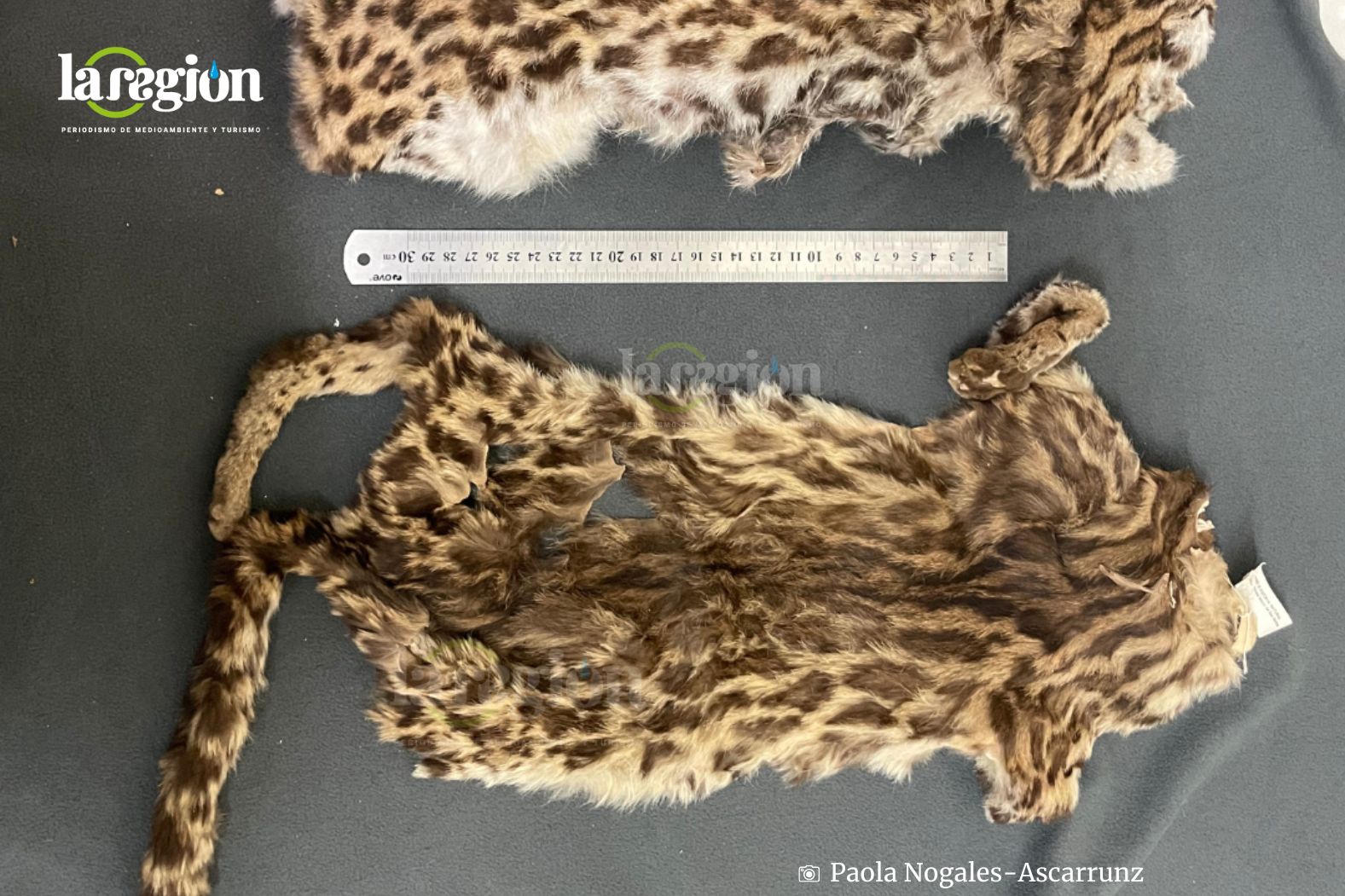
However, obtaining genetic samples of Leopardus tigrinus in Bolivia for comparison was not easy. According to the Bolivian researcher, the only museum specimen labeled as such is preserved at Bolivia’s National Museum of Natural History in La Paz. When it was analyzed, it turned out to be a margay (Leopardus wiedii), a different species.
The error is not accidental. The tiger cat and the margay are notoriously difficult to distinguish in camera-trap photographs, she explains. The most reliable difference—the direction of the fur on the nape, which in the margay grows in the opposite direction—is virtually impossible to detect without having the animal in hand. This confusion, also documented in the study that will be published next October in the renowned journal Current Biology, “artificially inflated” the geographic range attributed to the “tiger cat” in field records throughout the region.
After completing the entire procedure, the team finally obtained two confirmed samples of Leopardus tilcayo in Bolivia. One came from a female rescued by the Senda Verde Wildlife Sanctuary, injured after being struck with stones when she became trapped in a tree near a local community. Veterinarian Rodrigo Cantuta collected hair with the root attached and a blood sample before the animal was returned to its habitat. The other sample came from the male, who is now ten years old and remains under care at the same sanctuary. This means that the latter is the only known individual of the species currently living in a protected facility.
A Major Discovery for Bolivia and the World
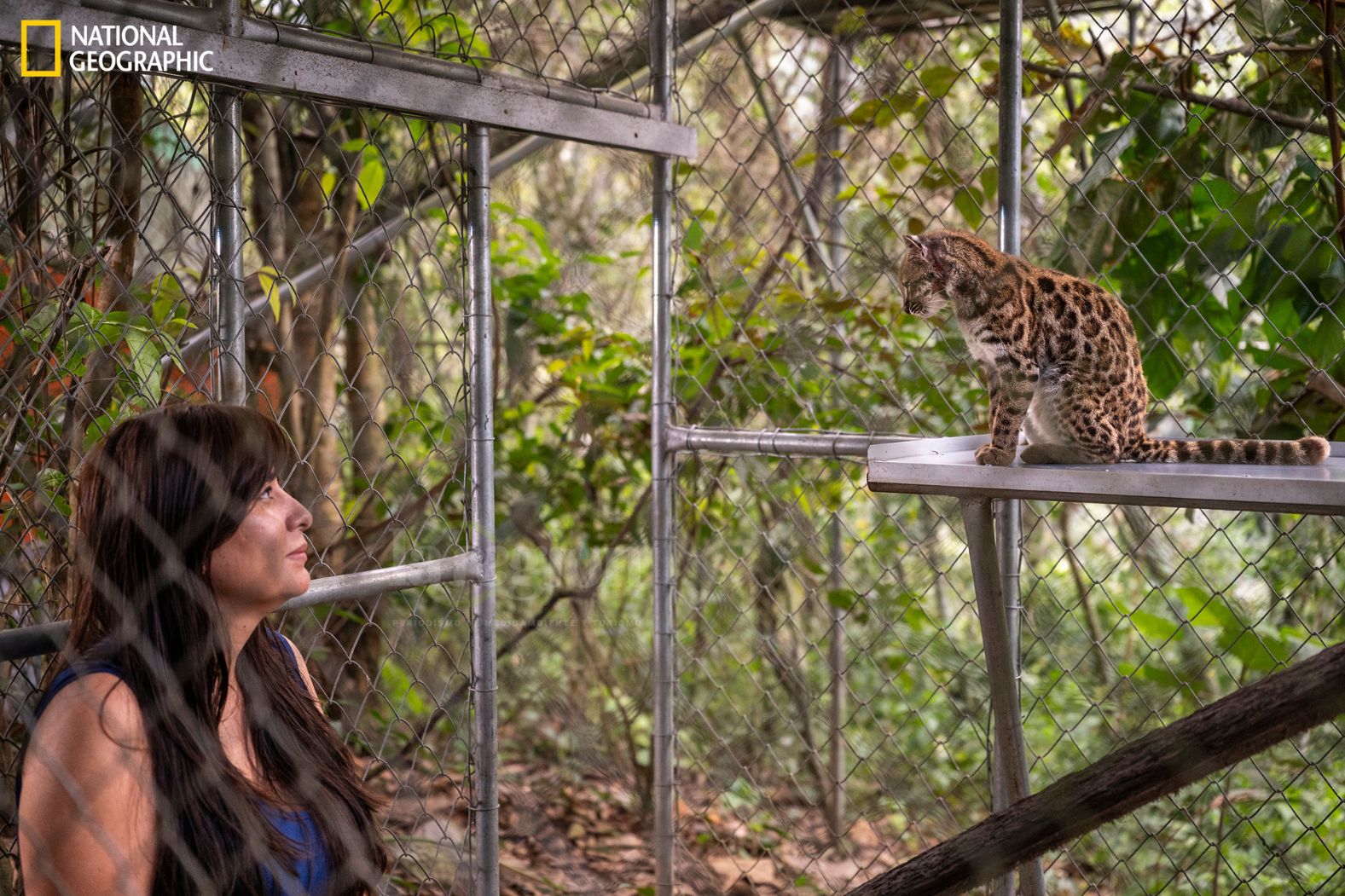
Enzo Aliaga-Rossel, one of the study’s authors and a Bolivian biologist with extensive experience in research and conservation, emphasized the specific significance of the finding for the country. This is not a microorganism or an invertebrate—groups where there is still much to discover—but a feline, a group about which “very little is known, almost nothing in Bolivia,” he warns.
“The fact that we were able to identify that it has genetic and morphological characteristics different from the rest means that we can name it as a new species for science,” he explains to La Región. The record keeps the number of mammal species documented in Bolivia at 407, with the difference being that there would no longer be Leopardus tigrinus, but rather Leopardus tilcayo.
Regarding its ecological role or function in nature, as a small feline it is a mesopredator. This means it occupies an intermediate level in the food chain, regulating populations of rodents and other small vertebrates. “When you eliminate these small carnivores (such as the tilcayo), there can be an overpopulation of mice (…) and this leads to a reproductive boom, followed by pest outbreaks. We have seen this many times in Bolivia,” he explains.
Aliaga-Rossel also confirmed that, for now, the species is considered endemic to the Bolivian Yungas, although experts still need to expand sampling to the north and south to confirm the actual boundaries of its distribution. Its small size, speed, and ability to remain motionless in a tree for hours explain why there are almost no previous records of the species.
The Paradox: Born Under Threat
Both Nogales-Ascarrunz and Aliaga-Rossel agree that, barely having been described, the species already faces dangers. Habitat loss—due to pressure on the forests where it lives and on its prey—is the main threat to the tilcayo and to much of Bolivia’s wildlife.
In this context, the discovery serves as a reminder of what is at stake. A feline that has lived alongside Bolivian communities for generations—long enough to have its own name in the local language, tilcayo, which the researchers decided to preserve as part of its scientific name in recognition of this ancestral knowledge—required the most advanced genomics for it to finally be recognized by science.
With the new record and the reclassification of the tiger cat complex into five independent species, a new assessment of each species’ extinction risk will be undertaken. Likewise, this discovery will help develop targeted conservation strategies and plans and, above all, further highlight the role of local communities in preserving animals such as the tilcayo, which, for now, has only been recorded in the Yungas of La Paz and is unique in the world.
Por Rocío Lloret Céspedes, La Región:
Leopardus tilcayo: Bolivia le da al mundo una nueva especie de gato silvestre, la primera en más de 100 años
Un equipo científico internacional, con protagonismo boliviano, describió a este pequeño felino gracias a análisis de genética. El hallazgo se publicará en la prestigiosa revista Current Biology y es el descubrimiento más importante de los últimos años, no solo para el país sino para el mundo.
Es más pequeño que un gato doméstico. Vive en los bosques nublados de los Yungas de La Paz y las comunidades locales lo conocían desde hace décadas como tilcayo. Pero para la ciencia, no existía. Hoy, tras una investigación de cinco años con amplio protagonismo de científicos bolivianos, se presenta Leopardus tilcayo, la primera especie nueva de felino silvestre descrita en el mundo en más de un siglo.
Se trata de un descubrimiento que no solo aporta a la fauna boliviana, sino a la ciencia mundial. No ocurrió en una expedición, sino comparando fotos y descripciones que, simplemente, no coincidían.
Todo empezó allá por 2021. Los investigadores bolivianos Enzo Aliaga-Rossel y Paola Nogales-Ascarrunz —exploradora de National Geographic— recolectaron las muestras genéticas de un ejemplar macho que estaba bajo cuidado protegido del Santuario de Vida Silvestre Senda Verde, en el municipio de Coroico, a cien kilómetros de la ciudad de La Paz. Este felino, que había sido acogido en este centro de custodia alrededor de 2017 tras ser entregado por una familia del lugar, se convirtió oficialmente en el espécimen de referencia u holotipo de la nueva especie.
Nogales-Ascarrunz, coautora principal del estudio, cuenta a La Región que notó algo raro cuando preparaba un material educativo sobre el felino en cuestión. Al revisar la descripción de Leopardus tigrinus, nombre cientifico con el que estaba registrado, la forma de las manchas y de la cola de este individuo, no se parecía a la de las especies de gatos silvestres que ella conocía en Bolivia. Se acercaba más a Leopardus guttulus, una especie más robusta y de cara más chata. El problema era que guttulus «nunca había sido registrada en el país».
“Le digo a mi colega: ‘este debe ser un guttulus, pero guttulus no está registrado para Bolivia’”, recuerda. Esa contradicción fue la que disparó los análisis genéticos. La pregunta inicial no era si existía una especie nueva, sino si una especie conocida había ampliado su rango de distribución. La respuesta, años más tarde, fue mucho más sorprendente.
Un trabajo basado en genética
Para determinar que aquel individuo que aún vive custodiado en Senda Verde no era Leopardus tigrinus, el equipo —liderado por Jonas Lescroart y Paola Nogales-Ascarrunz como coautores principales, junto a Eduardo Eizirik (Brasil)— secuenció genomas completos de 38 individuos del género Leopardus, combinando muestras modernas —sangre y tejido de animales rescatados o atropellados— con ADN extraído de especímenes históricos conservados en museos, algunos con más de medio siglo de antigüedad. Esa técnica se conoce como museómica.
Este procedimiento fue clave para resolver un vacío que frenaba la taxonomía del grupo desde 1775. Y es que no existían muestras genéticas de la población original de Leopardus tigrinus en el Escudo Guayanés (Guyana, Surinam, Venezuela), su área de distribución. Los expertos recuperaron ADN de fragmentos de hueso petroso —la parte más densa del cráneo— de ejemplares guardados en el museo Smithsonian (EE UU) y en el Centro de Biodiversidad Naturalis (Países Bajos).
Con ese material, reconstruyeron árboles filogenéticos y calcularon tiempos de divergencia evolutiva. Según explicó Nogales-Ascarrunz, la taxonomía o ciencia que clasifica a los seres vivos, usa como referencia en los felinos, un millón de años de separación genética para reconocer una especie distinta. Las poblaciones de los Yungas bolivianos resultaron haberse separado de sus parientes más cercanos hace 1,4 millones de años, una divergencia incluso más profunda que la de Leopardus pardinoides, otra especie del grupo ya validada.
Finalmente, el estudio demostró que aquello que la ciencia consideraba históricamente como una sola especie de gato tigre (Leopardus tigrinus), comprende en realidad, al menos, cinco especies distinticas de felinos silvestres.
- Leopardus tilcayo (Tilcayo): Nueva especie descrita oficialmente en este estudio, nativa de los bosques nublados de los Yungas de Bolivia.
- Leopardus tigrinus (Gato tigre del norte / de Guayana): Especie cuya definición se circunscribe y restringe ahora al Escudo Guayanés. Dentro de esta especie, el estudio describe además una nueva subespecie: Leopardus tigrinus antisuyo, nativa de los Yungas peruanos.
- Leopardus pardinoides (Gato tigre nublado): Revalidada y elevada al rango de especie independiente para los bosques nublados de los Andes del norte (en países como Colombia y regiones de América Central).
- Leopardus emiliae (Gato tigre del este): Restablecida formalmente como especie válida, habitante de las ecorregiones de Caatinga y Cerrado en el este de Brasil.
- Leopardus guttulus (Gato tigre del sur): Revalidada como especie independiente, nativa del bosque de la Mata Atlántica en el sur de Sudamérica.
El procedimiento para llegar a esta conclusión fue tan exhaustivo, que le dio al estudio “mucha más solidez taxonómica que incluso en otras especies”. De hecho el paper fue revisado por pares (investigadores ajenos), incluido Andrew Kitchener, referente mundial en taxonomía de felinos, quien avaló formalmente el reconocimiento de Leopardus tilcayo como nueva especie.
Difícil de encontrar y fácil de confundir
Pero conseguir muestras genéticas de Leopardus tigrinus en Bolivia para hacer la comparación, no fue sencillo. Según la investigadora boliviana, el único espécimen de museo etiquetado como tal se encuentra conservado en el Museo Nacional de Historia Natural de La Paz. Al analizarlo, resultó ser un margay (Leopardus wiedii), una especie distinta.
El error no es casual. El gato tigre y el margay son notoriamente difíciles de distinguir en fotos de cámaras trampa, explica. La diferencia más confiable —la dirección del pelo en la nuca, que en el margay crece a contrapelo— es prácticamente imposible de detectar sin tener al animal en mano. Esa confusión, documentada también en el estudio que será publicado en octubre próximo en la famosa revista Current Biology, “infló artificialmente” el rango de distribución que se le atribuía al “gato tigre” en registros de campo de toda la región.
Tras realizar todo el procedimiento, el equipo logró finalmente dos muestras confirmadas de Leopardus tilcayo en Bolivia. Una proviene de una hembra rescatada por el Santuario de Vida Silvestre Senda Verde, herida a pedradas tras quedar atrapada en un árbol cerca de una comunidad de la zona, a la que el veterinario Rodrigo Cantuta le extrajo pelo con bulbo y una muestra de sangre antes de que el animal fuera devuelto a su hábitat. La otra corresponde al macho que actualmente tiene diez años y que permanece bajo cuidado en el mismo santuario. Ello significa que este último es el único ejemplar de la especie que se conoce y vive actualmente en un espacio protegido.
Un gran hallazgo para Bolivia y para el mundo
Enzo Aliaga-Rossel, del equipo de autores del estudio y biólogo boliviano con amplia experiencia en investigación y conservación, subrayó el peso específico del hallazgo para el país. No se trata de un microorganismo o un invertebrado —grupos donde aún hay mucho por descubrir—, sino de un felino, un grupo del que “hay muy poco conocimiento, casi nada en Bolivia», advierte.
“El hecho de que se haya logrado identificar que tiene características genéticas y morfológicas diferentes del resto, hace que lo podamos nombrar como una nueva especie para la ciencia”, explica a La Región. El registro mantiene en 407 el número de especies de mamíferos documentados en Bolivia, con la diferencia de que ya no habría Leopardus tigrinus, sino Leopardus tilcayo.
Sobre el rol ecológico o la función que cumple en la naturaleza, como felino pequeño es un mesopredador. Ello significa que parte de una franja intermedia de la cadena trófica que regula poblaciones de roedores y otros vertebrados pequeños. “Cuando eliminas a estos pequeños carnívoros (como el tilcayo), puede haber una sobrepoblación de ratones (…) y eso ocasiona que haya un boom reproductivo y vienen las plagas. Eso lo hemos visto muchas veces en Bolivia”, describe.
Aliaga-Rossel también confirmó que, por ahora, se trata de una especie que se considera endémica de los Yungas bolivianos, aunque los expertos todavía necesitan ampliar el muestreo hacia el norte y el sur para confirmar los límites reales de su distribución. Su tamaño pequeño, su velocidad y su capacidad de quedarse inmóvil en un árbol durante horas explican por qué casi no existen registros previos de la especie.
La paradoja: nacer bajo amenaza
Tanto Nogales-Ascarrunz como Aliaga-Rossel coinciden en que apenas descrita, la especie ya enfrenta peligros. La pérdida de hábitat —por presión sobre los bosques donde vive y sobre sus presas— es la principal amenaza para el tilcayo y para buena parte de la fauna boliviana.
En ese contexto, el hallazgo funciona como recordatorio de lo que está en juego. Un felino que convivió con comunidades bolivianas durante generaciones —lo suficiente como para tener nombre propio en la lengua local, tilcayo, y que los investigadores decidieron conservar como parte de la denominación científica en reconocimiento a ese conocimiento ancestral— necesitó de la genómica más avanzada para ser, finalmente, visto por la ciencia.
Con el nuevo registro y la reclasificación del complejo de gatos tigre en cinco especies independientes surgirá una nueva evaluación del riesgo de extinción de cada una. Asimismo, este descubrimiento ayudará a plantear estrategias y planes de conservación focalizados y, sobre todo, revalorizará aún más el rol de comunidades locales, de preservar animales como el tilcayo que, por el momento, solo ha sido registrado en los Yungas paceños y es único en el mundo.



Leave a comment