By Erick Ortega, ABI; Eju.tv:
The department of Pando boasts vast cultural and tourism potential, shaped by the traditions of its people and their deep connection with nature. This untamed corner of Bolivia, sheltered beneath a dense green canopy, preserves the living memory of a boom that forever changed the course of the nation’s history.
El departamento de Pando tiene un potencial cultural y turístico que se alimenta con las tradiciones de sus habitantes y su interrelación con la naturaleza. Este indómito rincón del territorio boliviano, custodiado por un espeso manto verde resguarda en sus entrañas la memoria viva de un auge que transformó para siempre el rumbo de nuestra historia.
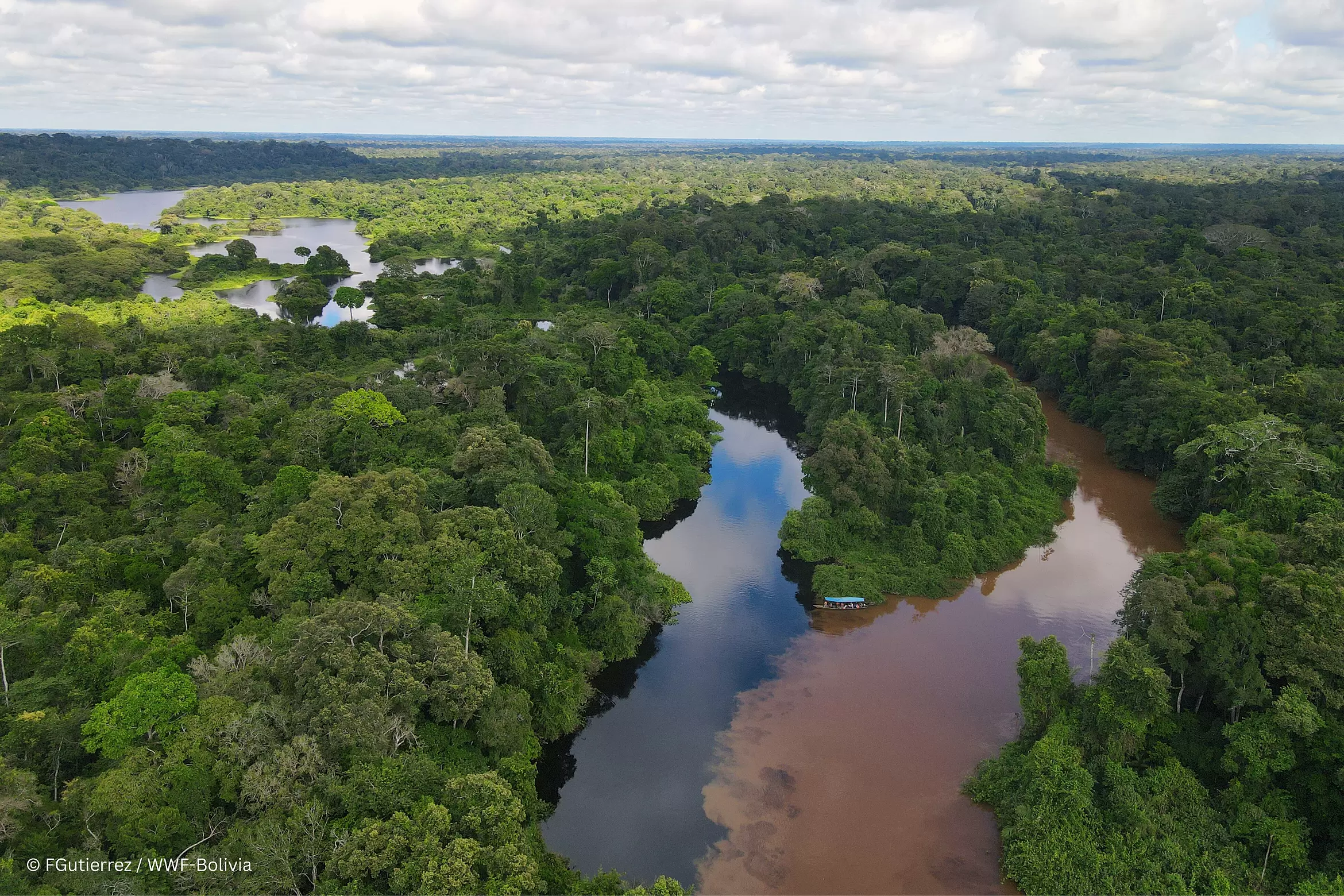
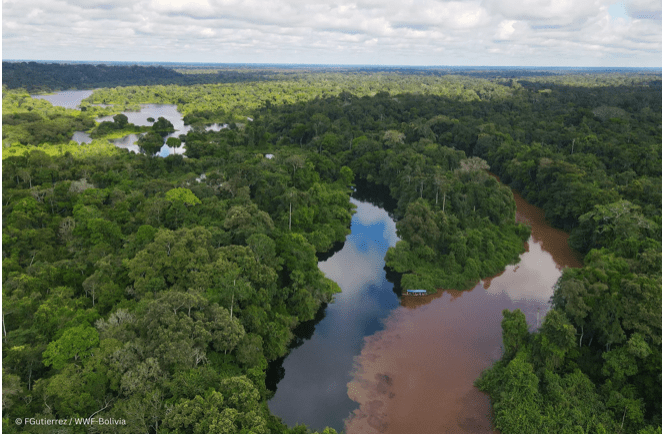
Pando is Bolivia’s youngest department and the heart of its Amazon rainforest. | Photos: WWF Bolivia.

In Pando, potential tourist routes are closely linked to the traditional socioeconomic activities of the Amazonian territory. | Photos: WWF Bolivia.
Pando.- The Amazon is immense, stretching across South America to the roar of mighty rivers. In Bolivia, the department of Pando offers rich cultural and tourism opportunities rooted in local traditions and the close relationship between its inhabitants and the natural environment. This wild region in the country’s northwestern corner, protected by a thick blanket of rainforest, safeguards the living legacy of an era that transformed the region forever. The legendary routes of rubber, Brazil nuts, and cacao are more than geographical itineraries; they are immersive journeys that preserve historical memory, Amazonian knowledge, and the heritage of the communities that helped shape the region’s development.
Historically, the rubber boom was the defining milestone that accelerated economic and social development across northwestern Bolivia. It attracted explorers and pioneers who ventured deep into the tropical forest, laying the foundations of today’s progress. The rubber fever connected this remote Amazonian territory with the world’s most demanding markets and forged the identity of a courageous and resilient people capable of overcoming the challenges of a remote landscape. Today, that historical spirit has evolved into a source of pride shared with visitors from around the globe through purposeful tourism and a profound respect for environmental cycles.
In Pando, potential tourism routes are closely linked to the traditional economic activities of the Amazon region, transforming everyday practices such as harvesting, small-scale farming, and artisanal fishing into immersive cultural experiences. Adventurous travelers can venture into the rainforest along the Rubber Route, where rubber tappers still extract latex using techniques passed down through generations. They can also walk beneath towering forest canopies on the Brazil Nut Route, gaining firsthand insight into the demanding work involved in harvesting one of the Amazon’s most valuable resources during the rainy season. Another option is the Açaí Route, dedicated to the purple super fruit that has gained international popularity while supporting the livelihoods of many local families who sustainably harvest it from native palm trees.

The chestnut [Brazilian nut], or Amazon nut, is the economic engine and a symbol of the biodiversity of northern Bolivia. | Photos: WWF Bolivia.
Adventure and recreation naturally extend to the region’s vast freshwater ecosystems through the Fish Route and the Paiche Route. These experiences offer opportunities to encounter the giant Amazonian fish, navigate legendary rivers, and enjoy the rich river-based cuisine that defines Pando’s gastronomy. They are complemented by the Serere Route and the Tarope Route, designed for wildlife observation. Birdwatchers, nature photographers, and researchers can marvel at caimans, capybaras, monkeys, orchids, and countless aquatic plants that flourish throughout the wetlands.
The region’s history and mystique are also celebrated through the Historic March of the Porvenir Column Route, a journey that commemorates the heroic actions of rubber tappers and soldiers who defended Bolivia’s territory and helped secure national sovereignty along this remote northern frontier.

In Pando, açaí is harvested sustainably from wild Amazonian forests. | Photos: WWF Bolivia.
Throughout the year, this diverse tourism offering is showcased through productive fairs, cultural festivals, and sport-fishing tournaments organized during the anniversaries of municipalities and local communities.
Pando stands as a sanctuary for travelers seeking to escape the pace of large cities and reconnect with the pure, mystical, and untamed essence of the Bolivian Amazon. It is a place where human progress does not destroy nature but learns from its ancestral wisdom, flourishing beneath the eternal whisper of ancient forests.

By Luz Mendoza
Por Erick Ortega Pérez, ABI; Eju.tv:
El departamento de Pando tiene un potencial cultural y turístico que se alimenta con las tradiciones de sus habitantes y su interrelación con la naturaleza. Este indómito rincón del territorio boliviano, custodiado por un espeso manto verde resguarda en sus entrañas la memoria viva de un auge que transformó para siempre el rumbo de nuestra historia.
El departamento de Pando tiene un potencial cultural y turístico que se alimenta con las tradiciones de sus habitantes y su interrelación con la naturaleza. Este indómito rincón del territorio boliviano, custodiado por un espeso manto verde resguarda en sus entrañas la memoria viva de un auge que transformó para siempre el rumbo de nuestra historia.
Pando se caracteriza por ser el departamento más joven y el corazón de la selva amazónica de Bolivia. | Fotos: WWF Bolivia.
En Pando las potenciales rutas turísticas están íntimamente ligadas a las actividades socioeconómicas tradicionales del territorio amazónico. | Fotos: WWF Bolivia.
Pando.- La Amazonía es gigante y recorre Sudamérica con el rugir de los ríos. El departamento de Pando tiene un potencial cultural y turístico que se alimenta con las tradiciones de sus habitantes y su interrelación con la naturaleza. Este indómito rincón del territorio boliviano, custodiado por el espeso manto verde del noroeste del país, resguarda en sus entrañas la memoria viva de un auge que transformó para siempre el rumbo de nuestra historia. La mítica ruta de la goma, la castaña y el cacao no es un simple itinerario geográfico para el mapa de los viajeros, sino un recorrido profundo que rescata la memoria histórica, los saberes amazónicos y el legado de las comunidades que forjaron el desarrollo de la región.
Históricamente, la explotación de la goma fue el hito fundamental que generó una dinámica integral y acelerada en la región noroeste de Bolivia, atrayendo a exploradores y pioneros que desafiaron la inmensidad del bosque tropical para fundar las bases del progreso actual. Aquella fiebre del caucho, que conectó a este rincón amazónico con los mercados más exigentes del planeta, configuró la identidad de un pueblo valiente y resiliente ante las adversidades de la geografía profunda. Hoy, ese ímpetu histórico se ha transformado en un orgullo identitario que se comparte generosamente con los viajeros de todas partes del mundo a través de un turismo con propósito y un profundo respeto por los ciclos ambientales.
En Pando las potenciales rutas turísticas están íntimamente ligadas a las actividades socioeconómicas tradicionales del territorio amazónico, convirtiendo las faenas diarias de recolección, agricultura familiar y pesca artesanal en experiencias culturales inmersivas y transformadoras para el visitante. Los viajeros intrépidos pueden adentrarse en la espesura forestal para conocer de primera mano el circuito de la Ruta de la Goma, donde el siringuero extrae el látex blanco con técnicas heredadas de generación en generación, o caminar bajo las copas gigantescas en la Ruta de la Castaña para comprender el titánico esfuerzo que implica la zafra de la almendra amazónica en los meses de lluvia. De igual manera, es posible adentrarse en la frescura de la Ruta del Asaí, rindiendo un justo homenaje a este superalimento morado que hoy conquista los paladares internacionales y sostiene la economía de decenas de familias locales dedicadas a su cosecha sostenible en las copas de las palmeras nativas.
La castaña, o nuez amazónica, es el motor económico y un símbolo de la biodiversidad del norte de Bolivia. | Fotos: WWF Bolivia.
Asimismo, las opciones de aventura y esparcimiento se diversifican de forma natural hacia los inmensos cuerpos de agua dulce mediante la Ruta del Pescado y la Ruta del Paiche, dos alternativas idóneas para conocer al gigantesco pez amazónico, navegar por ríos míticos y saborear la exquisita gastronomía fluvial que define la dieta pandina. Estas experiencias se complementan a la perfección con la Ruta del Serere y la Ruta del Tarope, trayectos diseñados especialmente para la observación contemplativa de la fauna silvestre, donde los observadores de aves, fotógrafos de naturaleza y científicos pueden deleitarse con la presencia de caimanes, capibaras, monos y una infinita variedad de orquídeas y plantas acuáticas que alfombran los espejos de agua estancada. El misticismo y la historia de la región también se plasman con fuerza en la Ruta Histórica Marcha de la Columna Porvenir, un trayecto imprescindible para rememorar las hazañas heroicas de aquellos valientes siringueros y soldados que defendieron el suelo patrio y consolidaron de forma imperecedera la soberanía nacional en esta indomable frontera norteña.
En Pando, el asaí se cosecha de forma silvestre y sostenible en los bosques amazónicos. | Fotos: WWF Bolivia.
Toda esta oferta se potencia, visibiliza y celebra con gran algarabía a lo largo del año a través de distintas ferias productivas, festivales culturales y apasionantes campeonatos de pesca deportiva que son organizados con motivo de los aniversarios de los diferentes municipios y comunidades pandinas.
Pando se erige de este modo como el santuario definitivo para quienes buscan romper con la rutina de las grandes metrópolis urbanas y conectarse con la esencia más pura, mística y salvaje de la Amazonía boliviana, un territorio sagrado donde el progreso humano no destruye el entorno, sino que aprende con humildad de su sabiduría ancestral para florecer eternamente bajo el susurro eterno de sus verdes bosques milenarios.
Por Luz Mendoza
https://eju.tv/2026/08/el-susurro-de-la-selva-y-el-rugir-de-los-rios-invitan-a-la-aventura-en-pando/
 Bolivian Thoughts | Pensamientos Bolivianos (Bilingual/Bilingüe)
Leave a comment