By Carlos Corz, Vision 360:
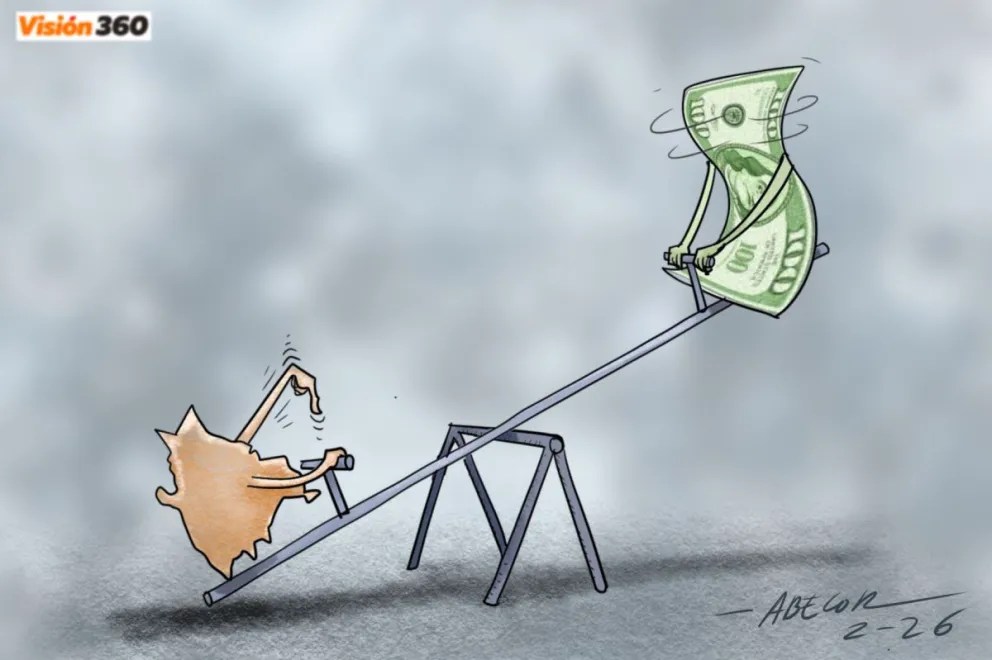
The “Flexible” Dollar Is Hours Away From Completing Its First Month, Continues Rising Daily and Reaches Bs 11.54
The new exchange-rate policy, which ended more than 15 years of a fixed exchange rate, came into effect on June 29.
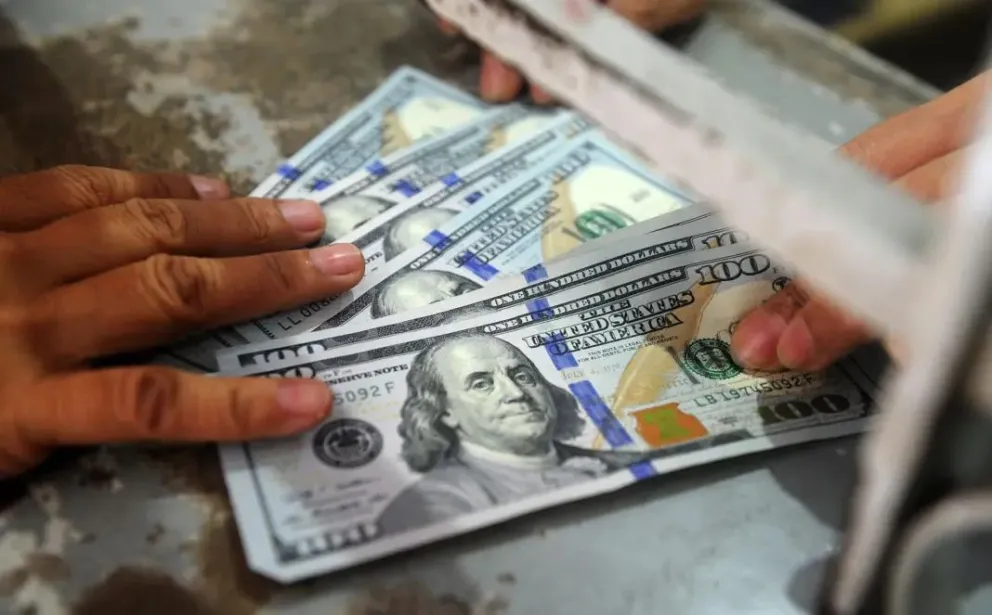
The exchange rate continues to fluctuate and reached Bs 11.54 on Tuesday. Reference photo.
With just one day remaining before the first month of Bolivia’s new “flexible” dollar policy is completed, the U.S. currency was trading at Bs 11.54 on Tuesday. During this period, it recorded a steady increase, accumulating a rise of Bs 1.81.
The new exchange-rate policy took effect on June 29, ending more than 15 years of a fixed dollar exchange rate and shifting to a market-based system. The measure was established through a resolution issued by the Ministry of Economy.
On its first day, the exchange rate stood at Bs 9.73 and has continued to climb, reaching Bs 11.54 this Tuesday, one day before the policy completes its first month. Under the new framework, the exchange rate is determined by the daily supply and demand for foreign currency within the financial system.
According to market dynamics, the increase is explained by the imbalance between demand for dollars and the available supply.
On July 23, Economy Minister José Gabriel Espinoza said that Bolivians should “get used to” a daily exchange rate set by market forces. He dismissed concerns about the dollar’s rise, describing it as part of the path toward stabilization.
“There is usually what we call in economics an overshooting effect: until people get used to it, the price (of the dollar) tends to rise. In most cases, when this type of change is implemented—and the economic literature is extensive on the subject—the overshooting can reach 25% to 30% in a single week,” he said. “In Bolivia’s case, however, it remains within the 10% to 12% range, reflecting a certain degree of economic and political maturity.”
Por Carlos Corz, Vision 360:
El dólar “flexible” está a horas de cumplir un mes, sube a diario y alcanza una cotización de Bs 11,54
El 29 de junio empezó a regir la nueva política cambiaria que dejó en el pasado más de 15 años de un tipo de cambio fijo.
El tipo de cambio fluctúa y este martes llega a Bs 11,54. Foto referencial
A un día de cumplirse un mes de la aplicación de la nueva política del dólar “flexible”, la divisa estadounidense se cotiza este martes en Bs 11,54. Durante este período registró un incremento sostenido y acumuló una subida de Bs 1,81.
Fue el 29 de junio cuando entró en vigencia la nueva política cambiaria, que dejó atrás más de 15 años de un dólar fijo y optó por las reglas del mercado. Una resolución del Ministerio de Economía dispuso la medida.
Ese día, la cotización comenzó en Bs 9,73 y no dejó de escalar hasta llegar a los Bs 11,54 de este martes, a un día de cumplirse un mes de este nuevo esquema, que toma como base la oferta y la demanda diaria de divisas en el sistema financiero.
Con base en las reglas del mercado, la subida se explica por el desequilibrio entre la demanda y la oferta de dólares.
El 23 de julio, el ministro de Economía, José Gabriel Espinoza, afirmó que los bolivianos deben “acostumbrarse” a una cotización diaria definida por el mercado y descartó que le preocupe esta escalada, porque la consideró parte del proceso hacia la estabilización.
“Suele haber lo que en economía llamamos overshooting: hasta que la gente se acostumbre, suele subir el precio (del dólar). En la mayoría de los casos, cuando se hace esto —y la literatura es amplia al respecto—, el overshooting puede llegar a ser de hasta el 25 o 30 % en una semana”, pero en el caso de Bolivia está en el margen del 10 al 12 %, debido a “una madurez económica y política”, afirmó en ese entonces.


Leave a Reply